tunnels through the trees

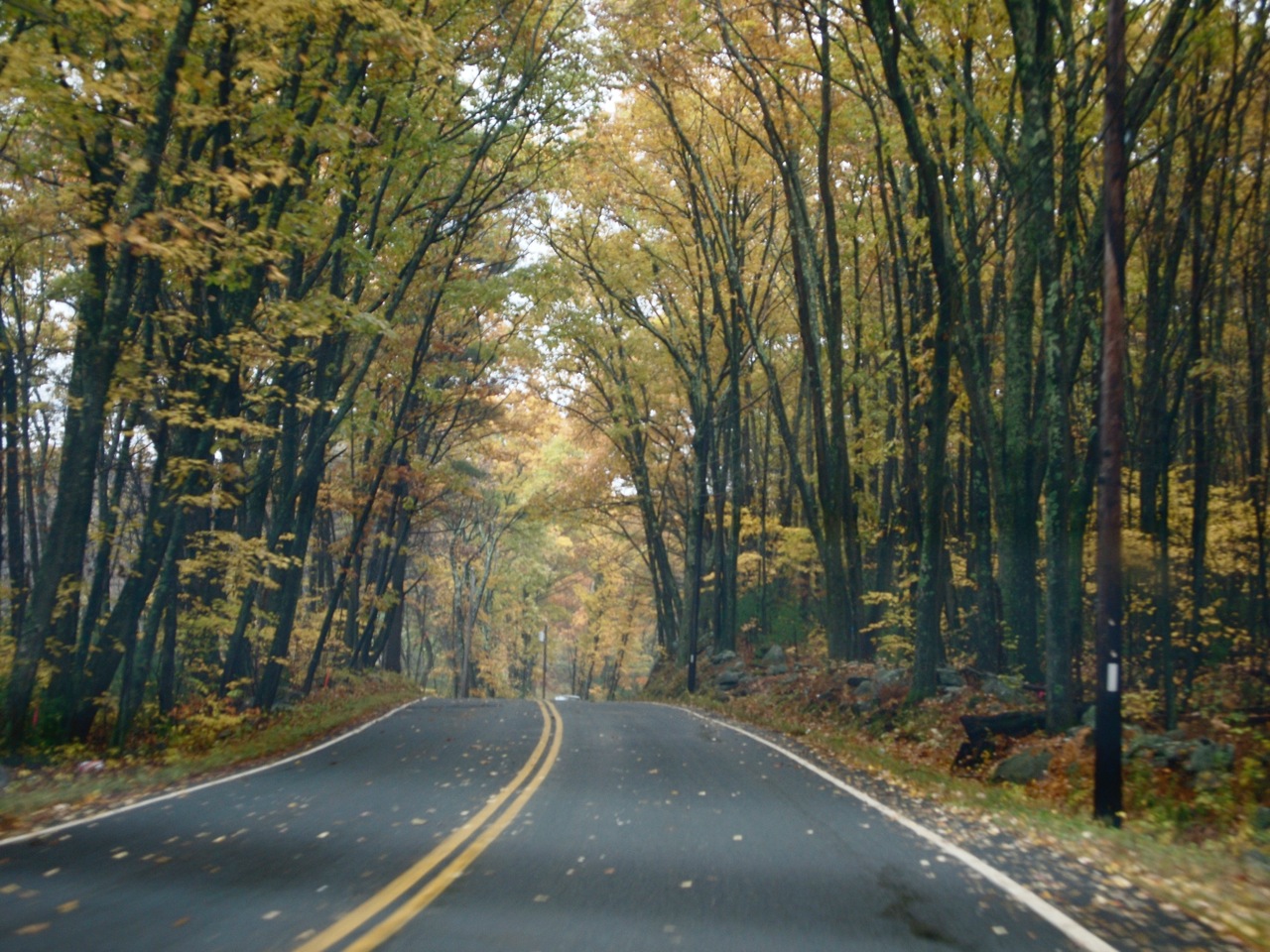
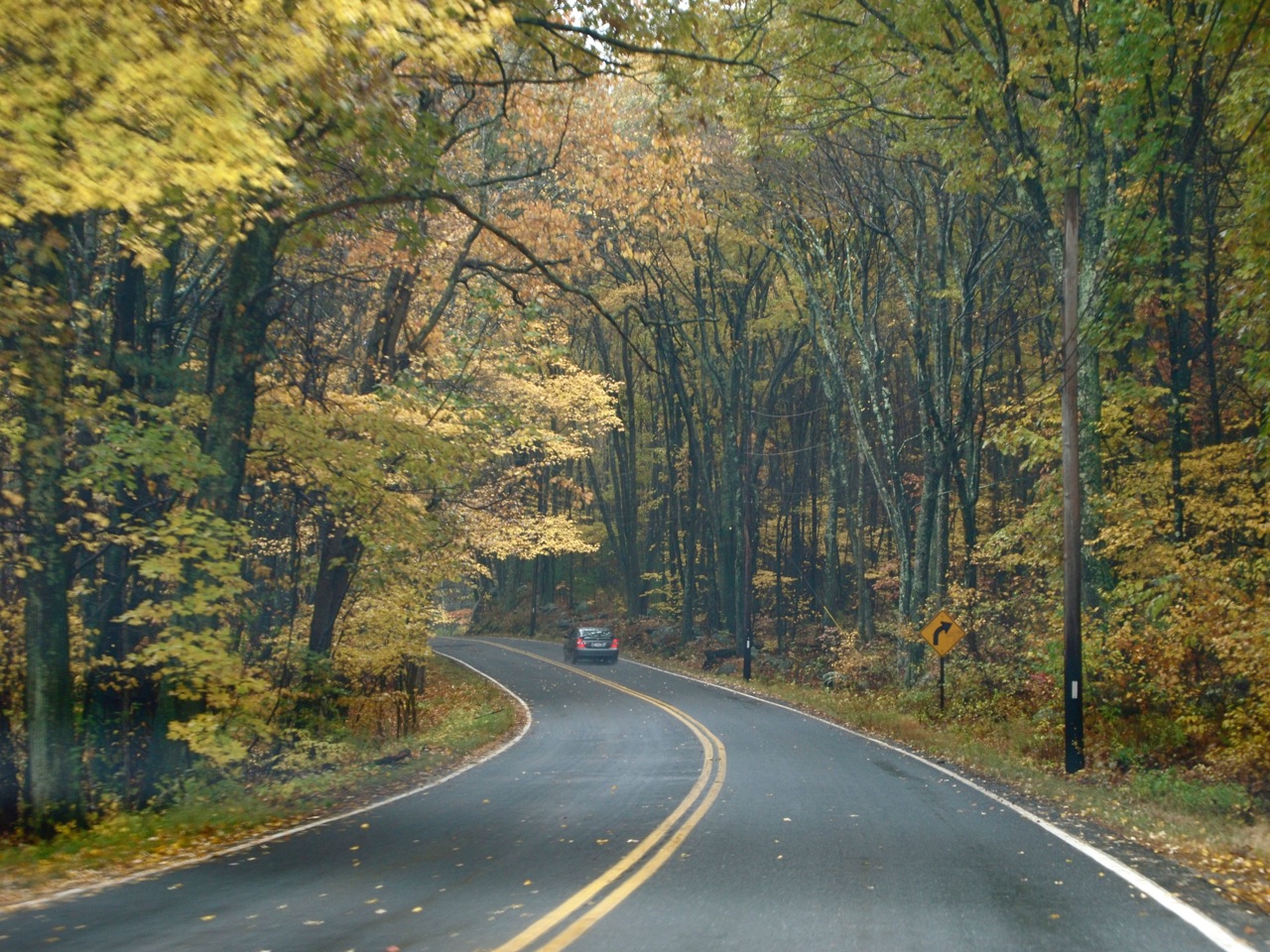
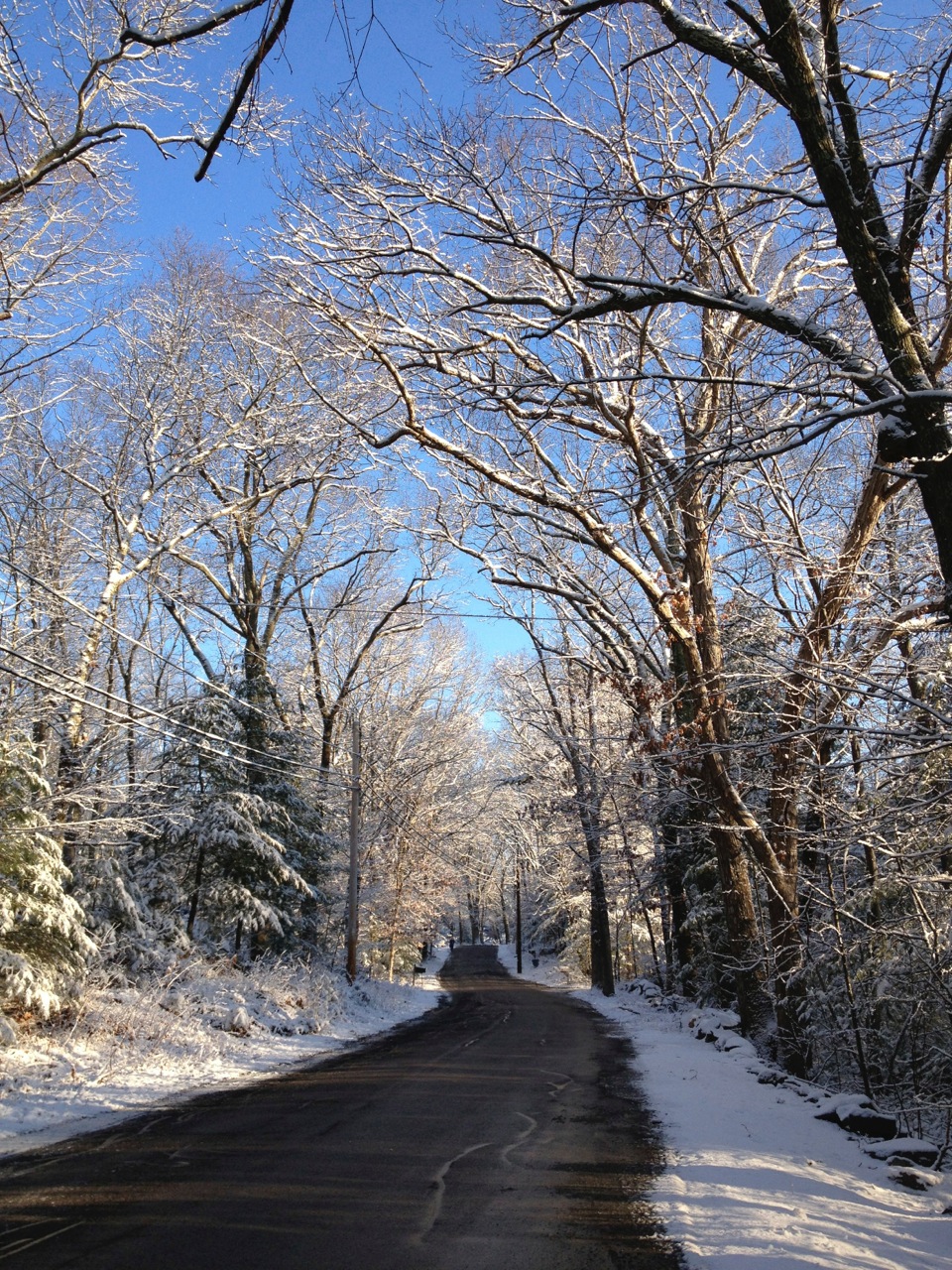
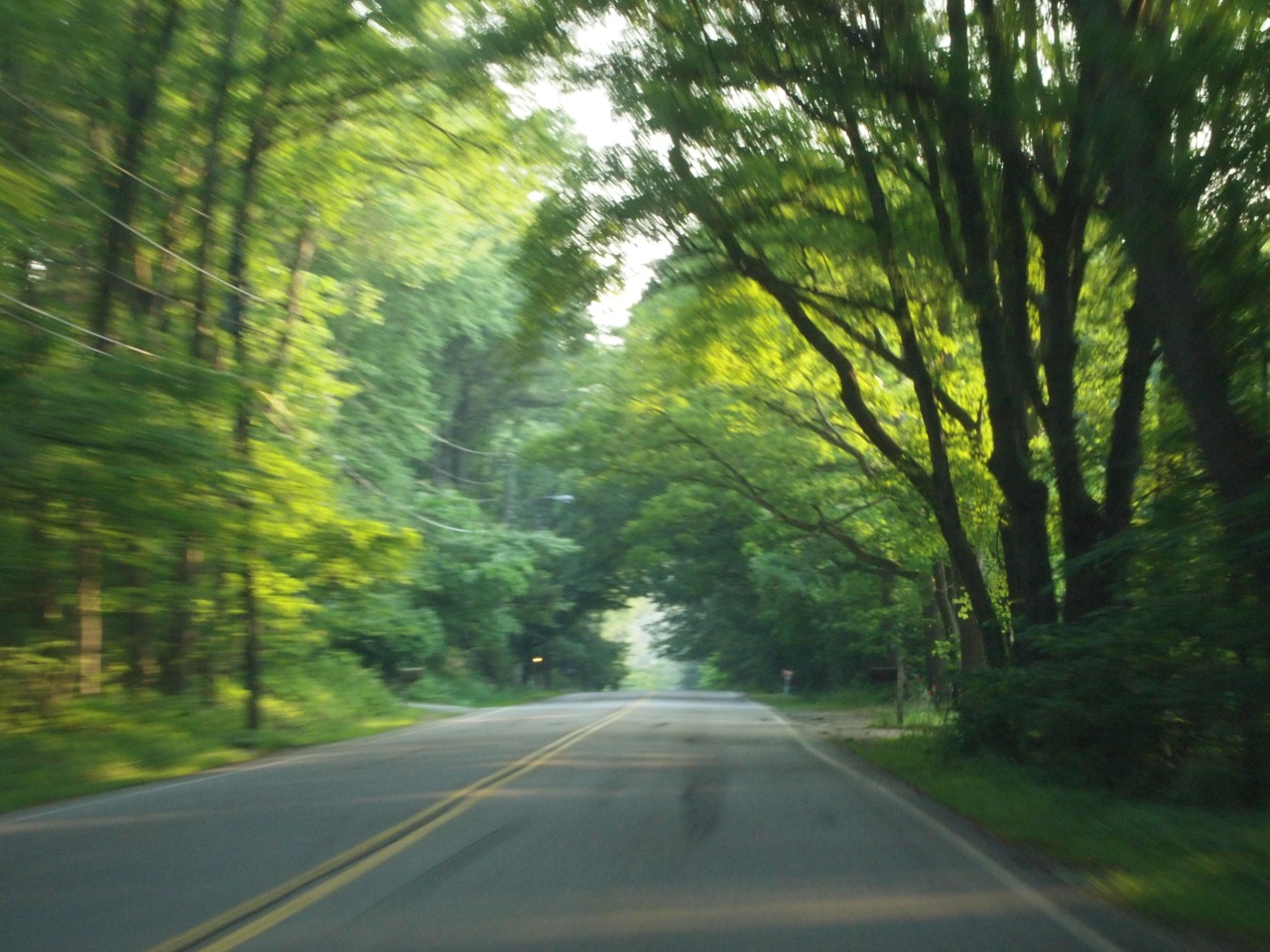
I live in a part of Massachusetts that is heavily wooded. The rural roads cut through the woods, winding through the pillars of tree trunks. The branches of the towering trees arch overhead, often forming what look like tunnels of trees.

Here are a few photos I’ve taken over the years of the roads winding through the arching trees, in the fall, the winter and the spring.

5 unrelated photos

Here a bunch of photos that I took at different times, in different places. (Do you see what I see?)


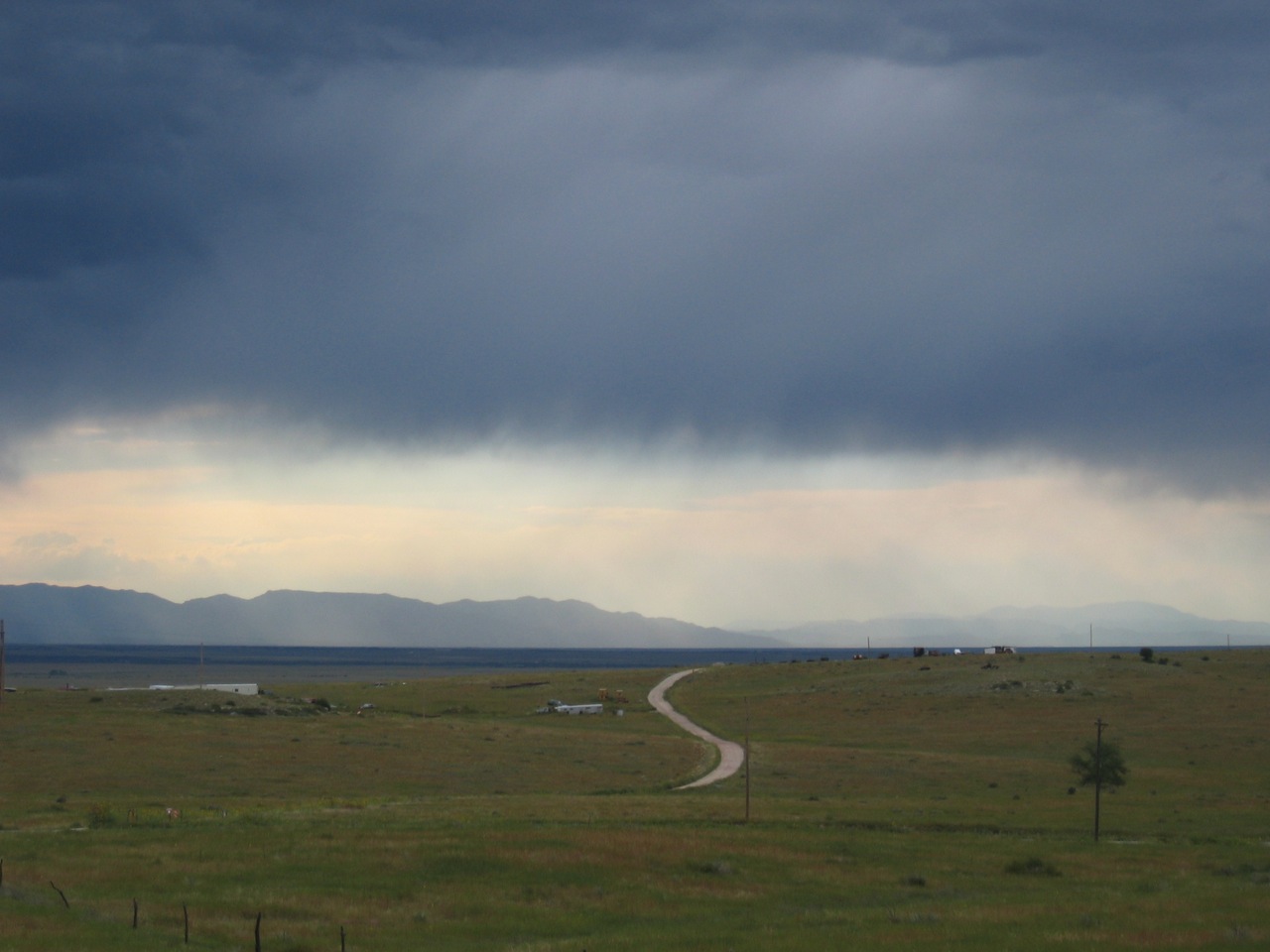
A road in rural Colorado. 2004.


Rusty rebar in some cement barriers, Massachusetts. 2010.


Stick shadows on some logs, Massachusetts. 2013.


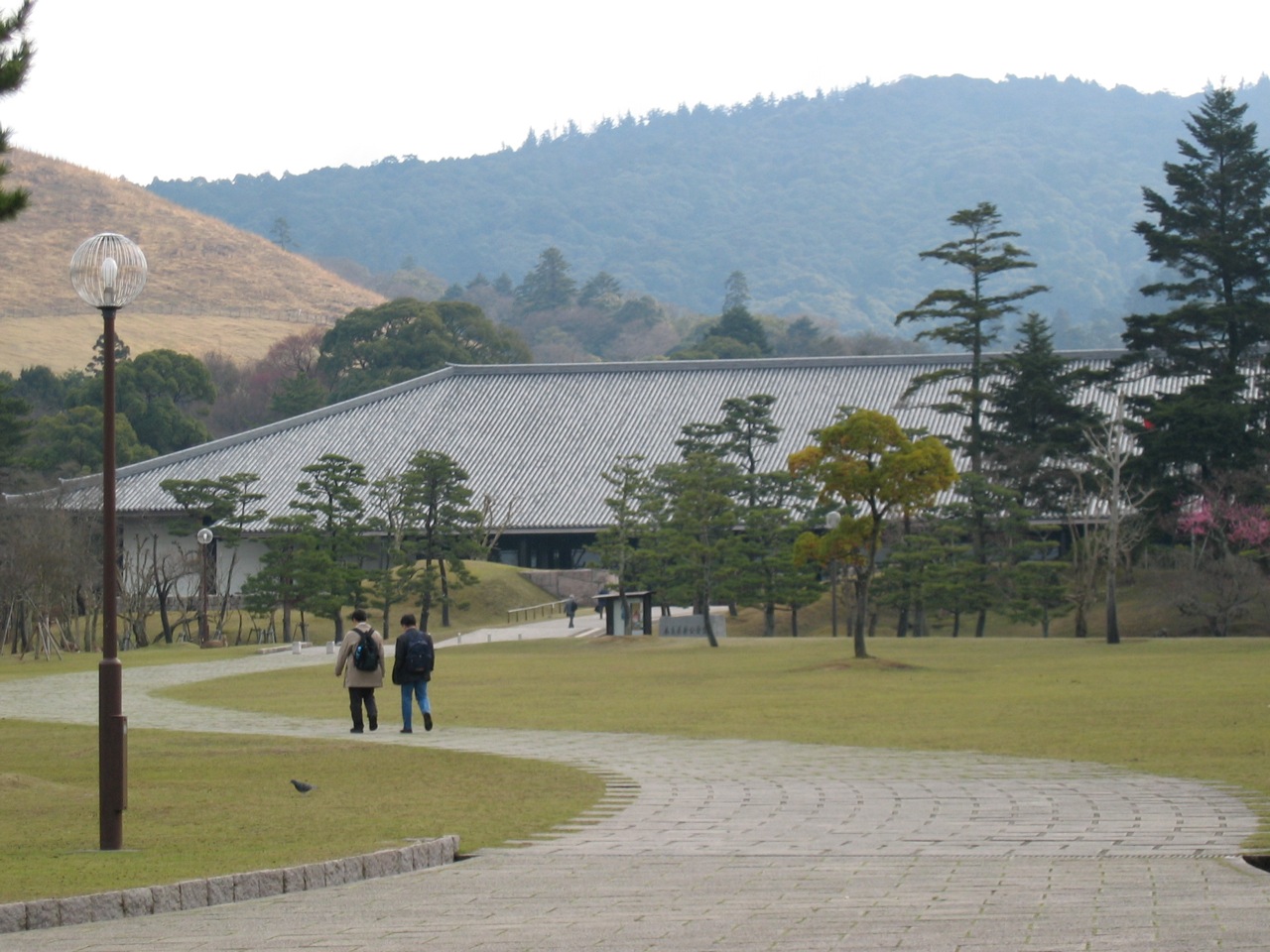
A path in Nara, Japan. 2004.


Waterways as seen from above when approaching San Francisco airport, California. 2014.

(And in case you don’t see what I see, yesterday’s post is a hint.)

X marks the spot

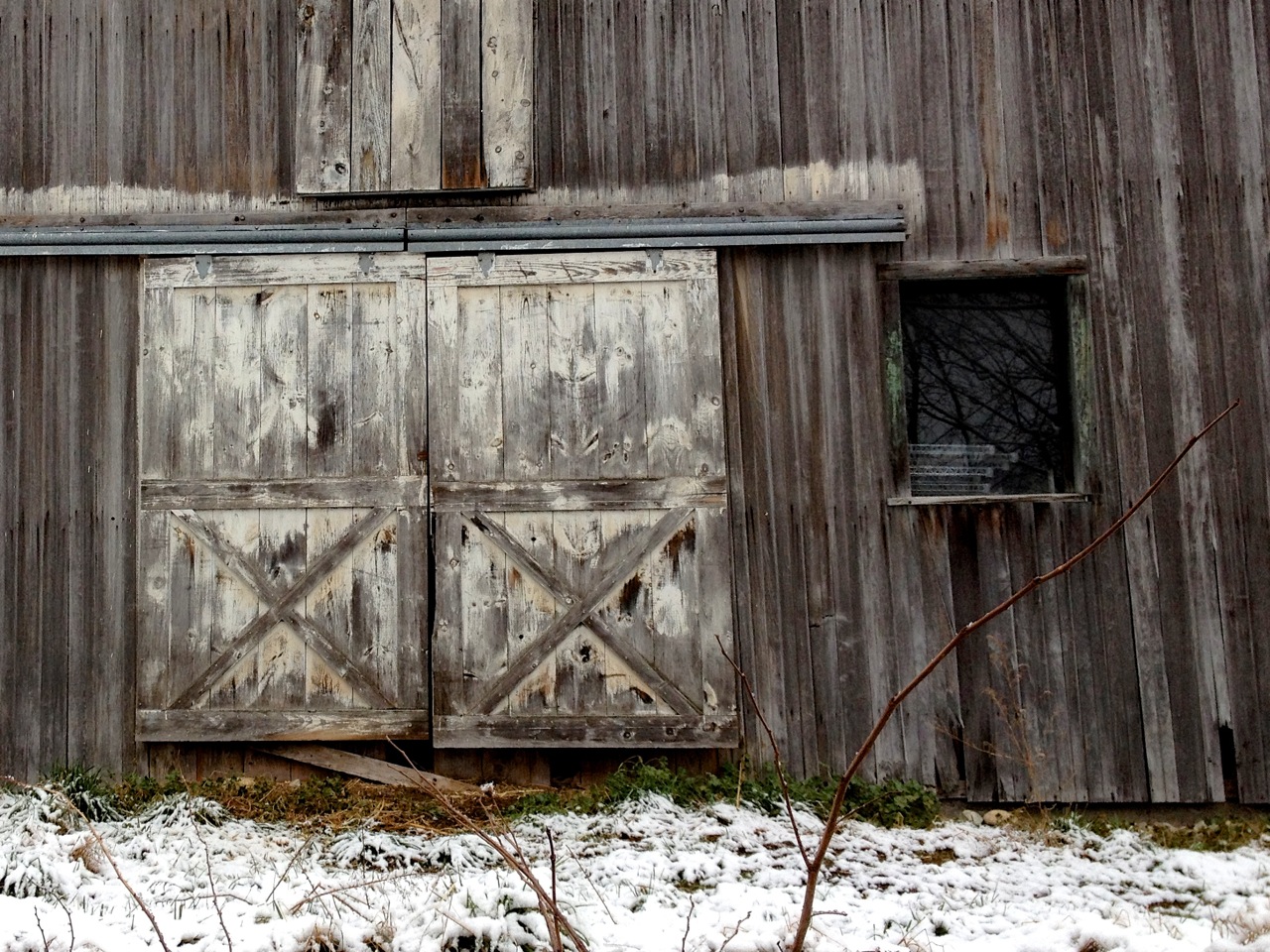
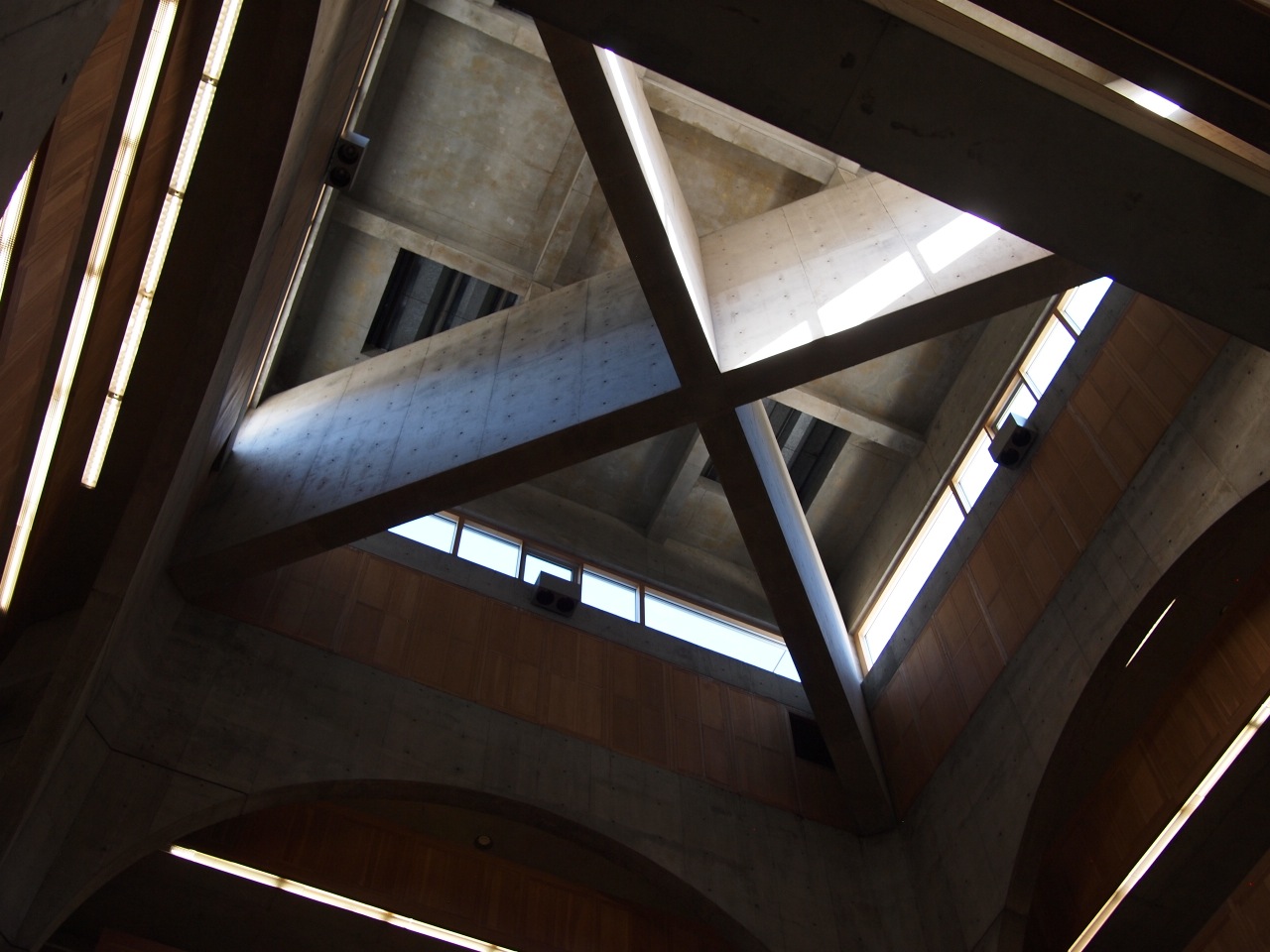
I do enjoy when I spot letters around that weren’t necessarily intended to be letters. (Punctuation marks, too.) Here are a number of exes I’ve spotted in the wild in recent years.


Hydrant.


Barn doors.


Fallen trees.


Library building.


Tree roots.


Tree branches making an X and a Y.

scattered leaves

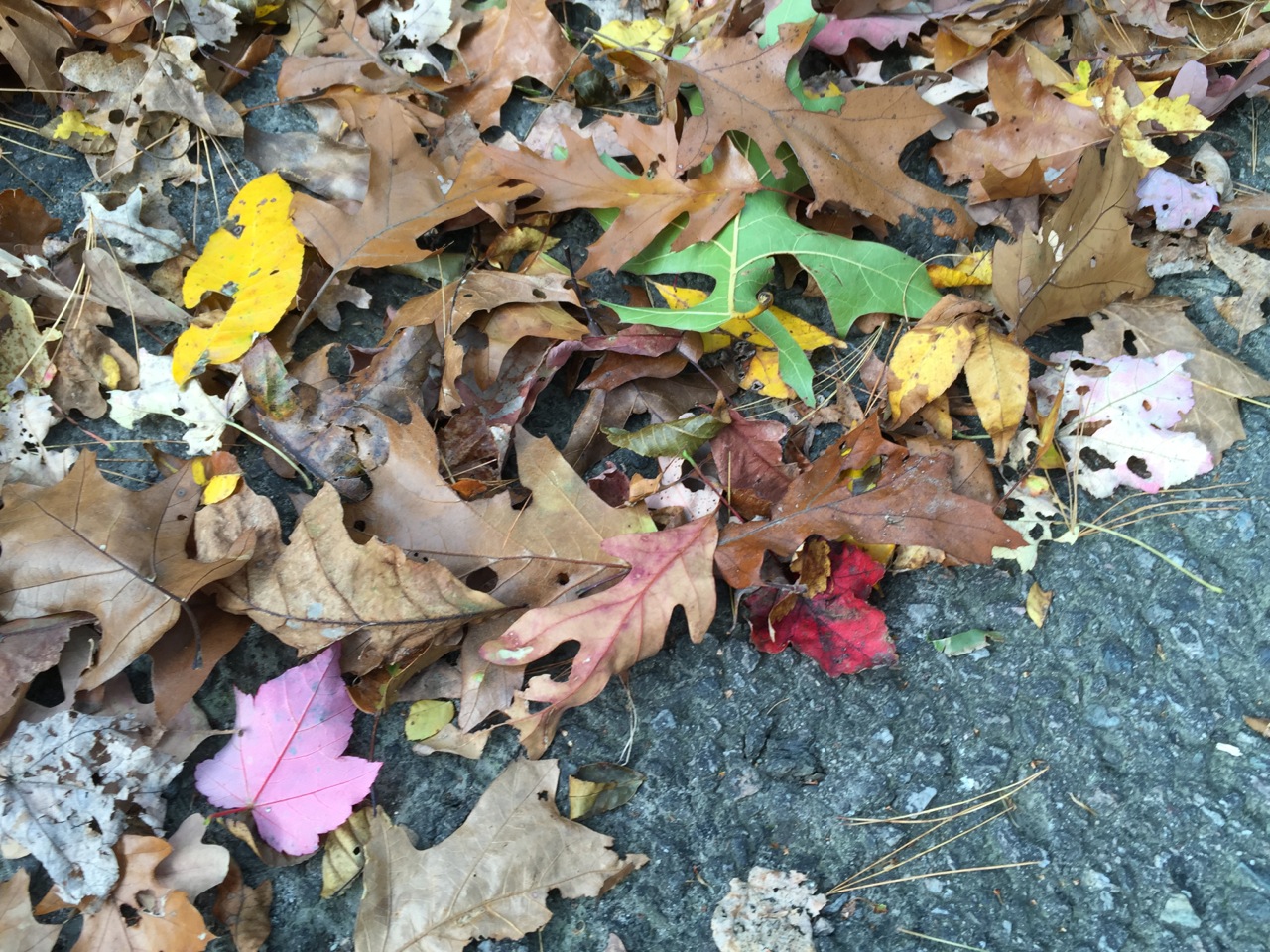
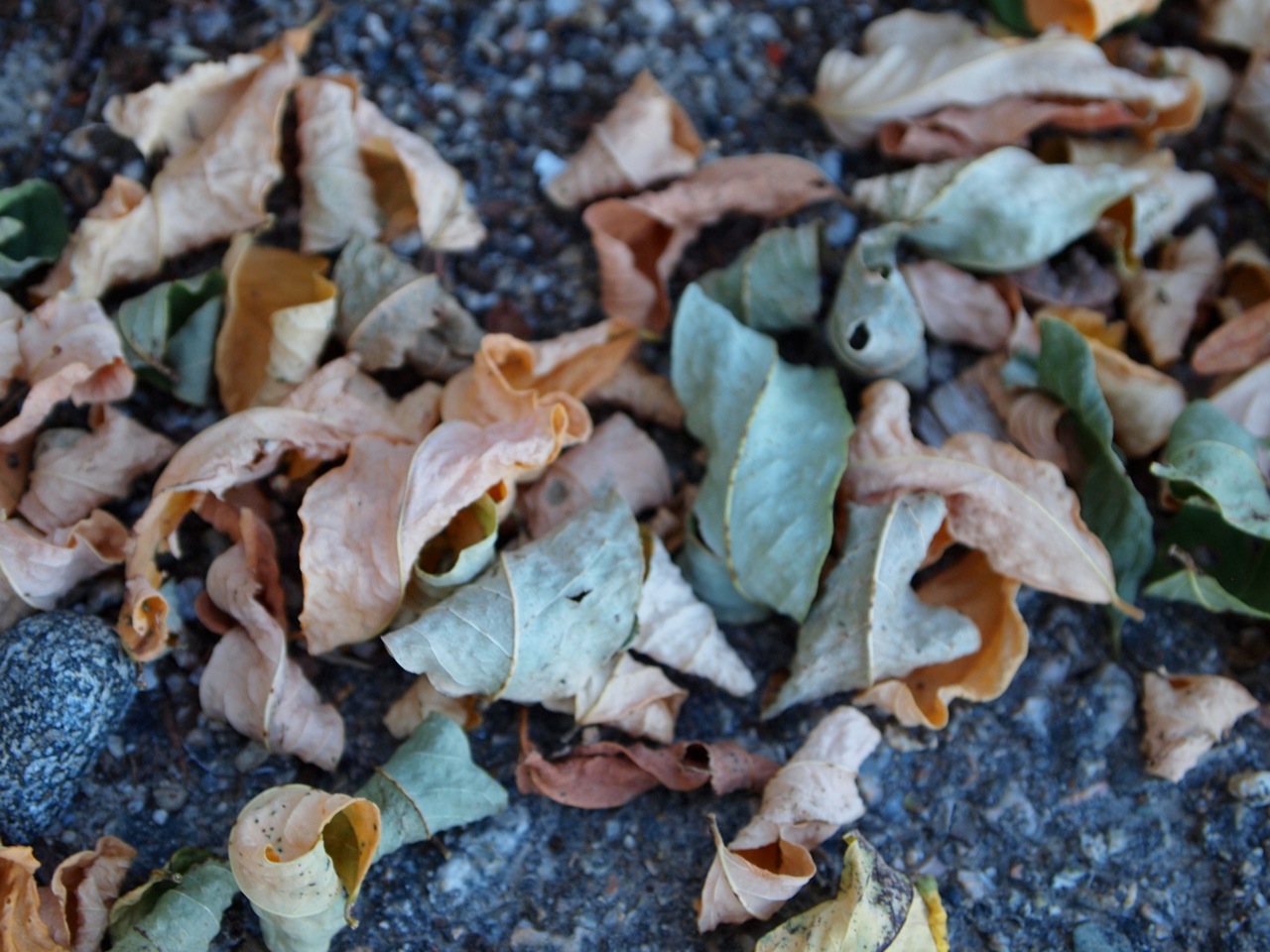
It won’t be long before my photos of leaves will be swapped out for photos of ice and snow. Here’s to enjoying these last splashes of fall color. (Even if most of the fall color is now to be found on the ground.)

curled up

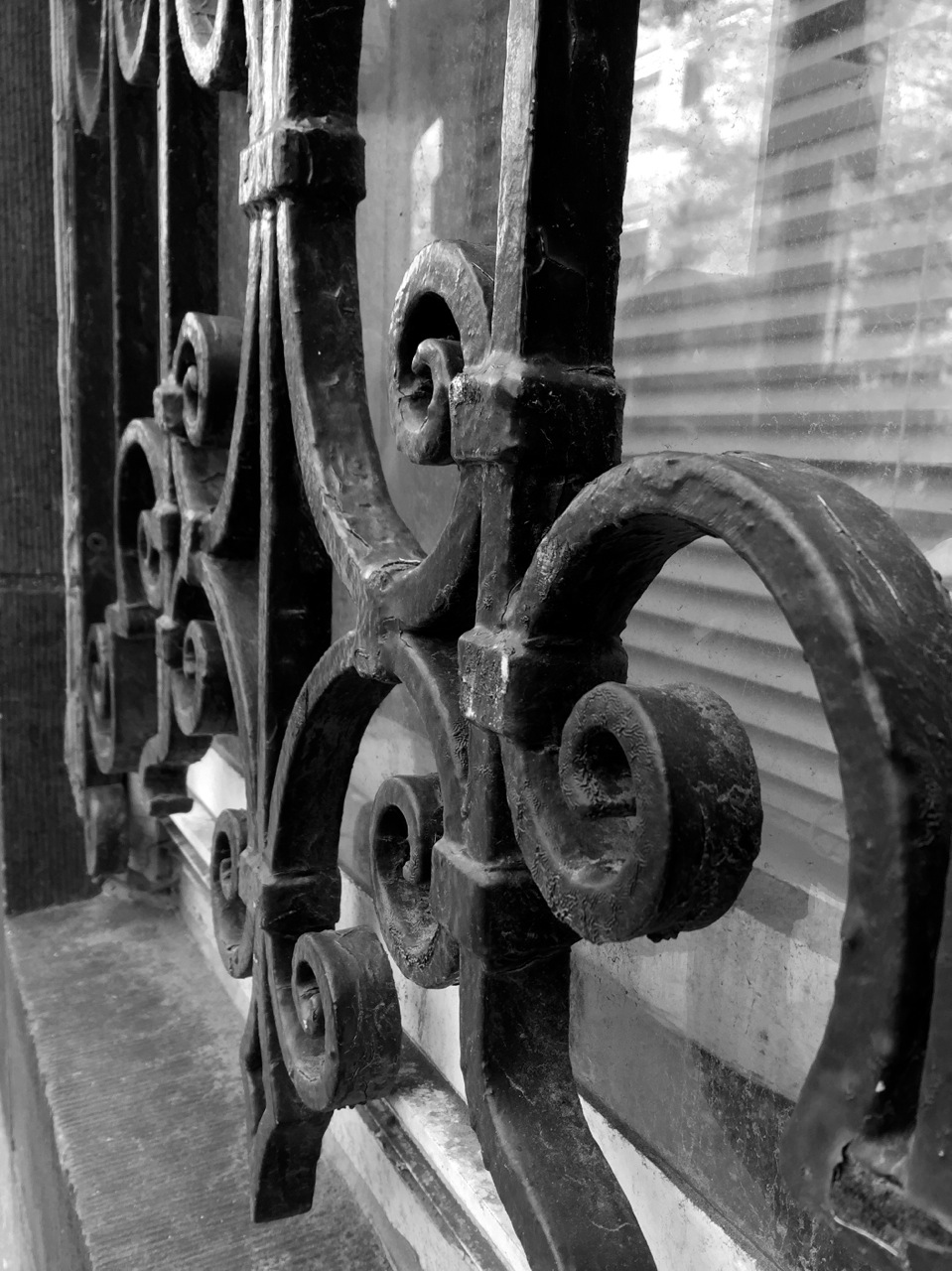
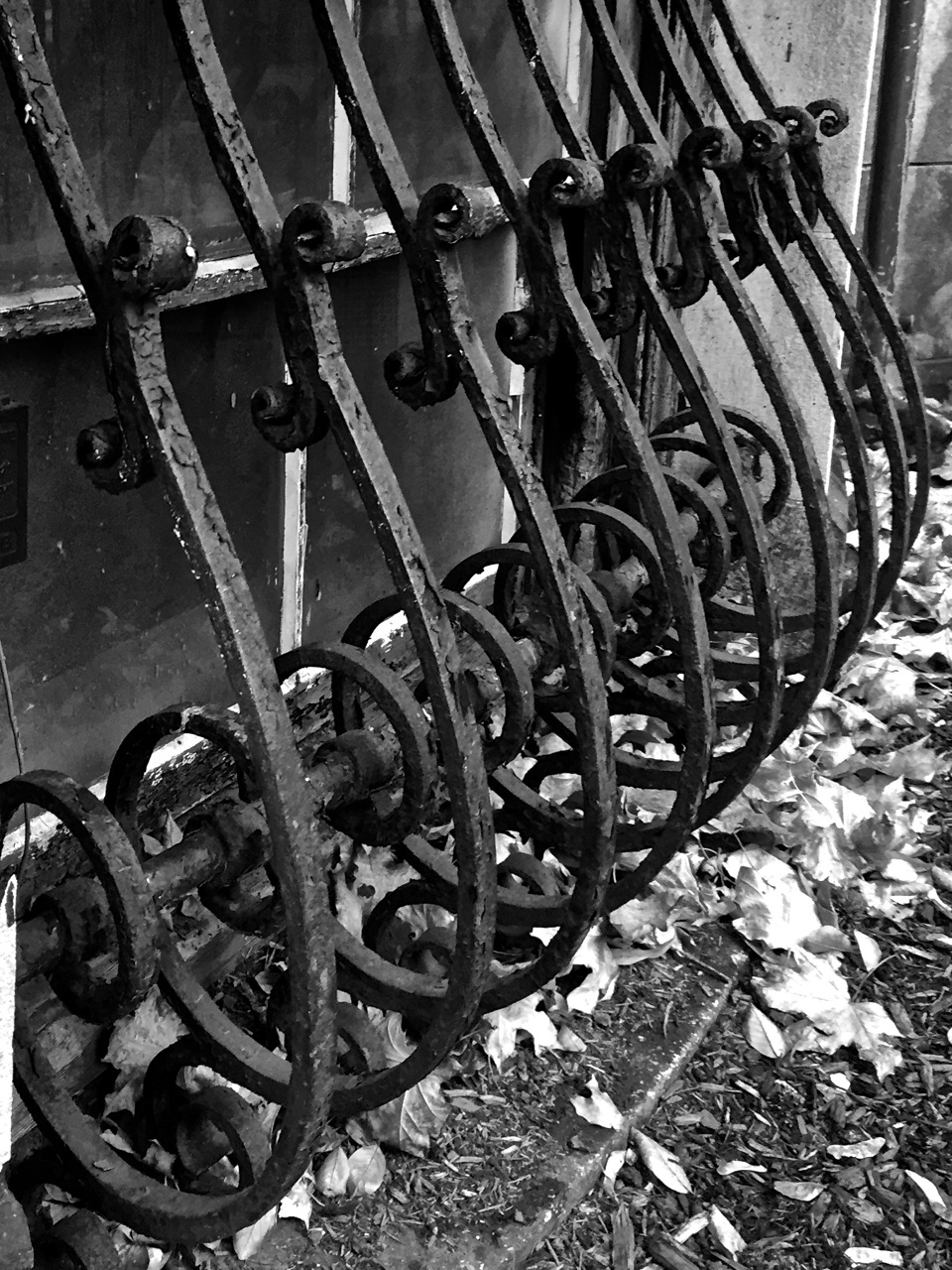
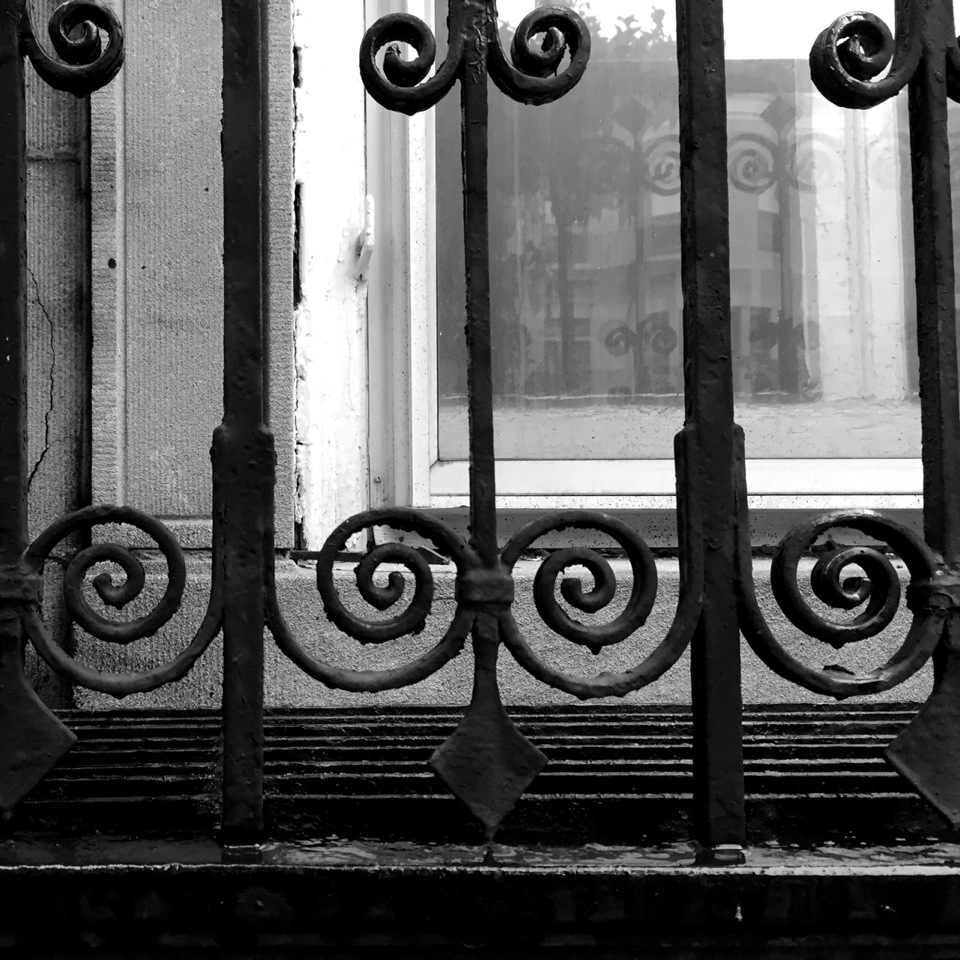
It’s true that I’m a sucker for spirals. They are a frequent motif in my doodles. I love the spirals are also a frequent motif in the gates, grates and railings of some of the older buildings around Boston, especially those at BU. Over the years (because I have been a student for so many, many years) I have found my eyes drawn to many such spiralled details, and have quite a few photos to show for it. Here are a few of them.

This is one of those days when my biggest accomplishment was to keep myself from staying curled up in a ball all day. I need to do a better job getting enough sleep, eating properly, and getting some exercise to help get me through this really stressful time.

smashing pumpkins (or smashed pumpkins, really)

It is an American holiday tradition to decorate with pumpkins for Halloween, and carve them into jack-o-lanterns. Some pumpkins never quite make it that far…
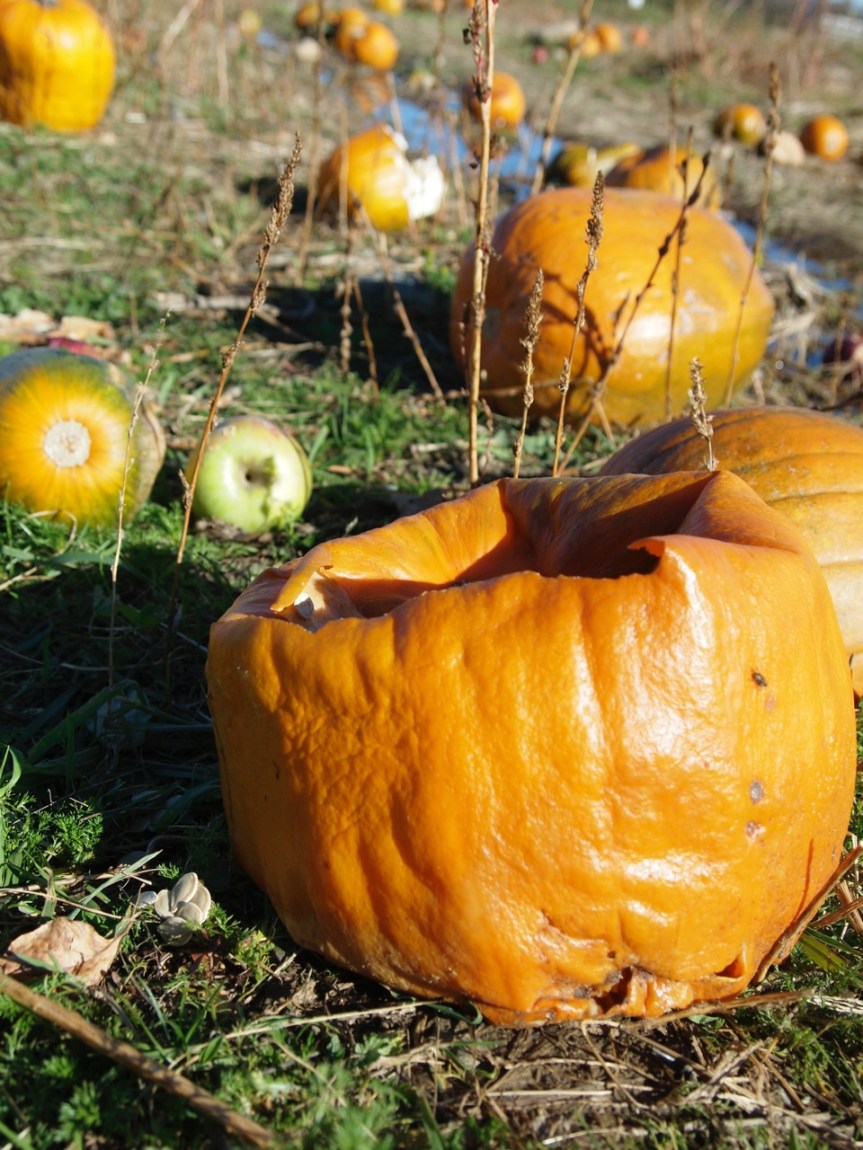
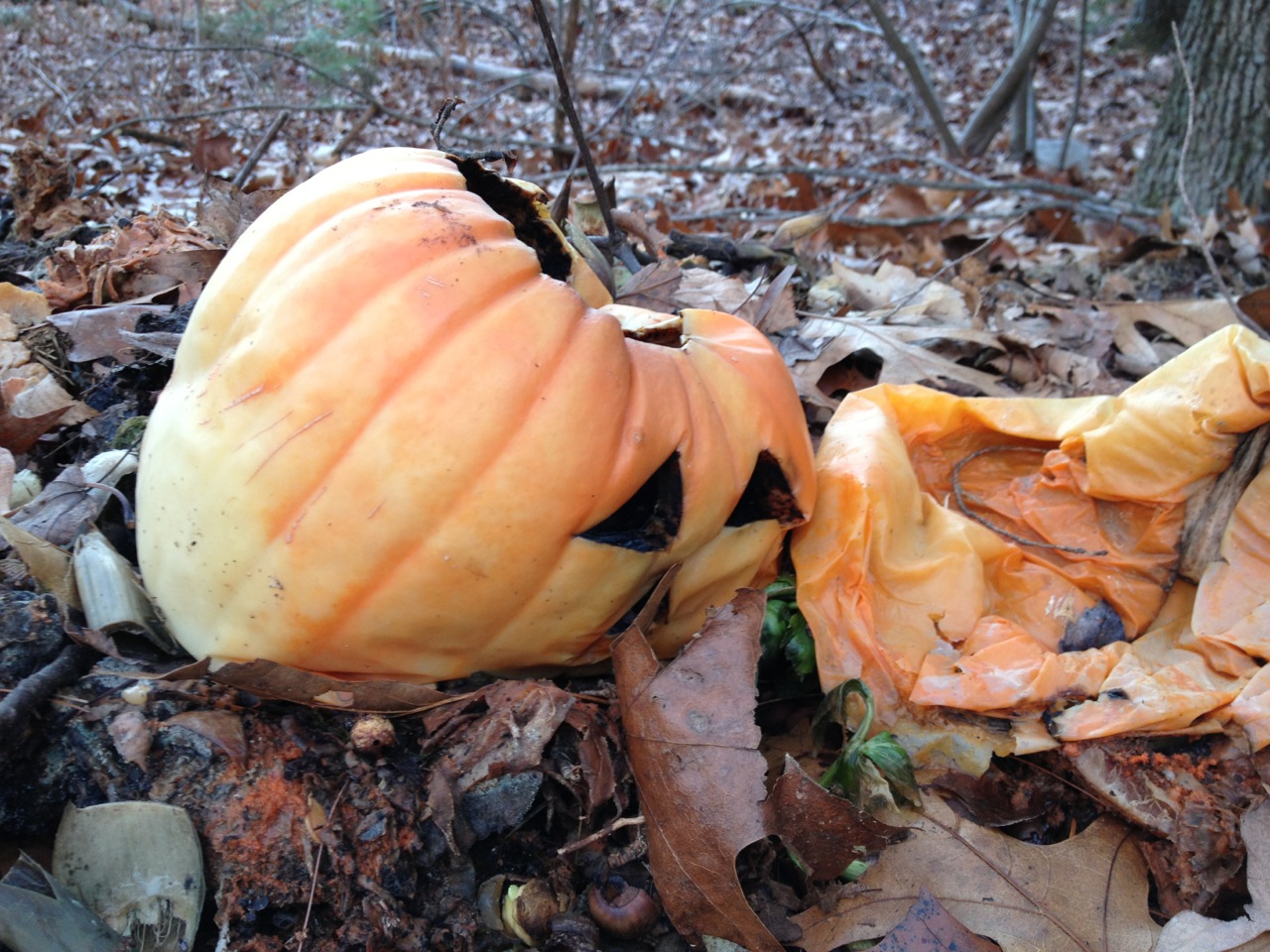
This pumpkin was not the belle of the pumpkin patch.

There is also the less widely appreciated tradition of stealing pumpkins of other people’s front steps, and smashing them onto the ground. The closest I have come to this tradition is taking our post-Halloween pumpkins to the compost pile, and throwing them down.


Pumpkins actually don’t tend to smash in these circumstances. A compost pile is a rather soft bed of leaves and other squishy organic materials.


These pumpkins are more smushed than smashed. (I confess I am amused by the distorted faces of the decomposing pumpkins.)

These are from 2009, 2012 and 2013. It is totally normal that I have accumulated a collection of photos of smashed and/or rotting pumpkins over the years. I’m sure you can say the same, right?

8 simple tips for effective web design

Web design has come a long way in recent years, and the many varied themes and templates can make much of it easier for the casual web designer. But before you get started, it’s still helpful to know a few basics of web design that can lead to a more effective web site.

  1. Clarity: Probably the most important element of web design is clarity. The strands of content should be clearly highlighted, and easy to discern and interpret.
  2. Simplicity: too busy a web design can make it difficult to find the critical content, and visitors may not even know where to land.
  3. Effective use of space: A more effective web design makes better use of space put the content in focus, and make the navigation structure clear.
  4. Integrated designs: Another type of web design is for smaller sites that are integrated into larger sites. This clever design makes use of a small space in a larger layout. Its sparse but elegant lines integrate well into the aesthetic of the larger site.
  5. Background: One simple but important detail of good web design is background color. In this example, the web designer tried to make use of too bright and bold a background, making the important details of the design hard to spot. Designs like this are more likely to draw attention to the web designer herself, rather than the web content, which is a deterrent to most website visitors.
  6. Visual elements: Choosing the right images for your web design is also key. Choosing a unifying theme, repetition of design elements, and subtle use of color can give pleasing harmony to the web design.
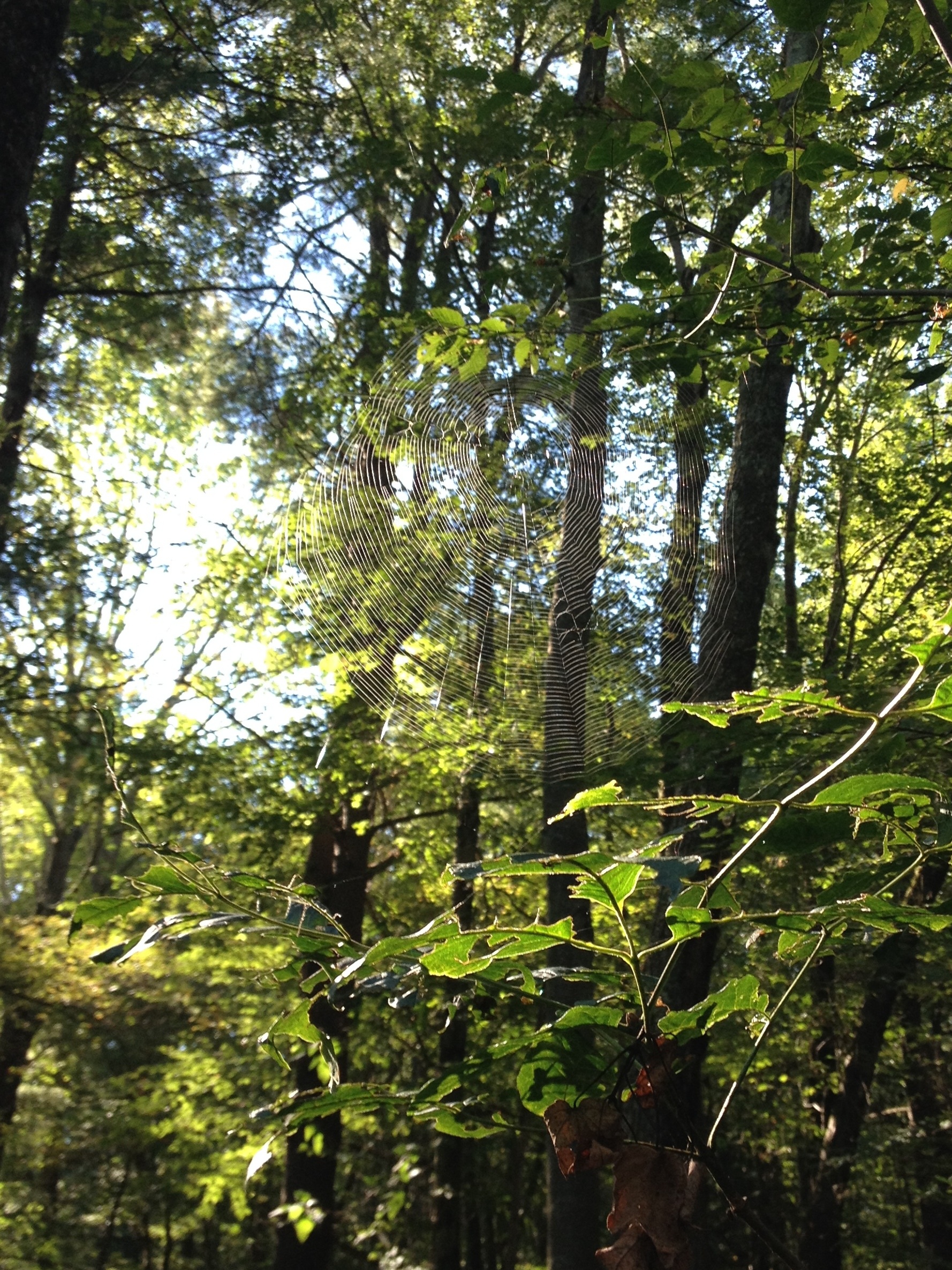
  7. Stickiness: One of the main goals of good web design is to get visitors not just to fly through, but to land and stay. This web design may not look like much at first, but its structure has great elements to get visitors to really stick.
  8. Upkeep: One also must not forget to maintain one’s web design. It doesn’t take long for a web site to start to look dated. Even if a web site has compelling visual elements to attract visitors to the site, multiple broken links will guarantee that visitors will take off soon and land on more frequently updated web sites.

When you start out on your own web design, try to keep these points in mind to make your site more effective. Of course, never lose sight of the ultimate goal of web design: to trap visitors and drain them of their bodily fluids.