blueberry eggs

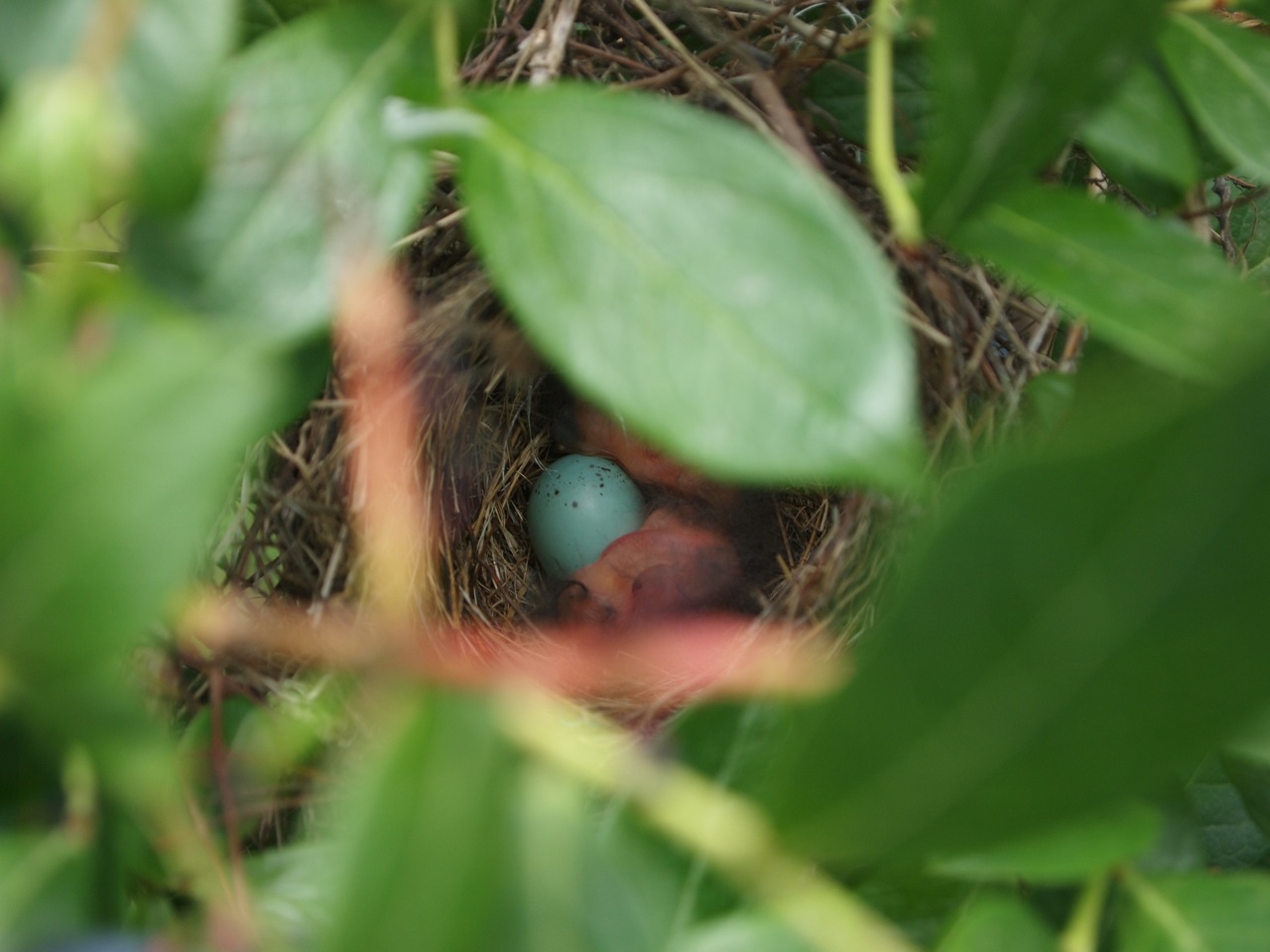
A few years ago, at our favorite local farm to go blueberry picking, I came across a hint of blue among the leaves of a blueberry bush that was a different hue of blue than the rest of the blueberrires. There were also bits of yellow and pink and fluffy gray that were most definitely like blueberry-like.

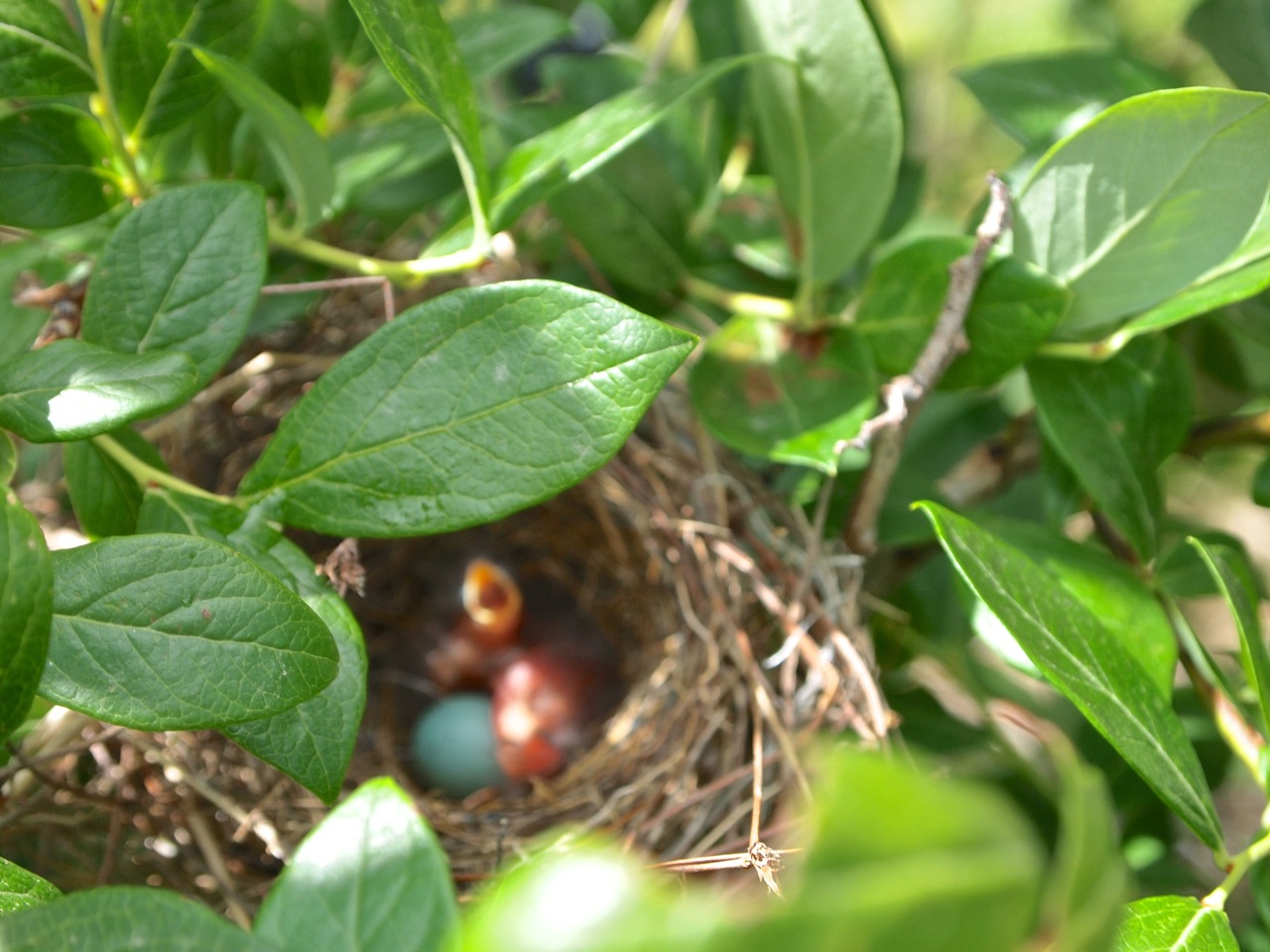
When I first starting poking through the bush, as one does when picking blueberries, my rustling of the leaves woke up one of the little guys. It’s not in focus, but I’m amused by the wide open yellow-orange mouth.

Realizing soon enough that I was not going to drop any tasty grubs into the open mouth, the little one went back to sleep.

I was very careful not to get too close the nest with my hands or my camera, but my zoom let me see up close. I was very impressed by the tidy little nest.

I’m not sure what sort of birds these are, I wonder if they might be Eastern Bluebirds. (I didn’t get to see the mama.)

A short while later, I came across another clump of not-blueberries in another bush. This time, the baby birds were clearly older, and possibly a different type of bird altogether.

These guys were looking a little crowded in their nest.

The rows of blueberry bushes were covered by netting to keep out the birds, but clearly not all the birds had taken that hint that they weren’t welcome. I was happy to see them, though!

artichoke eggs

These cute little artichokes were some that I bought a couple of years ago in the Spring.

Their tiny size and shape was so egg-like once I cut the stems off that I couldn’t resist arranging them in an egg carton.

They look like strange little alien pod eggs. I do wonder what sort of creature would hatch out of such a spiky egg! Likely one with very sharp claws.

A gallery of damaged leaves

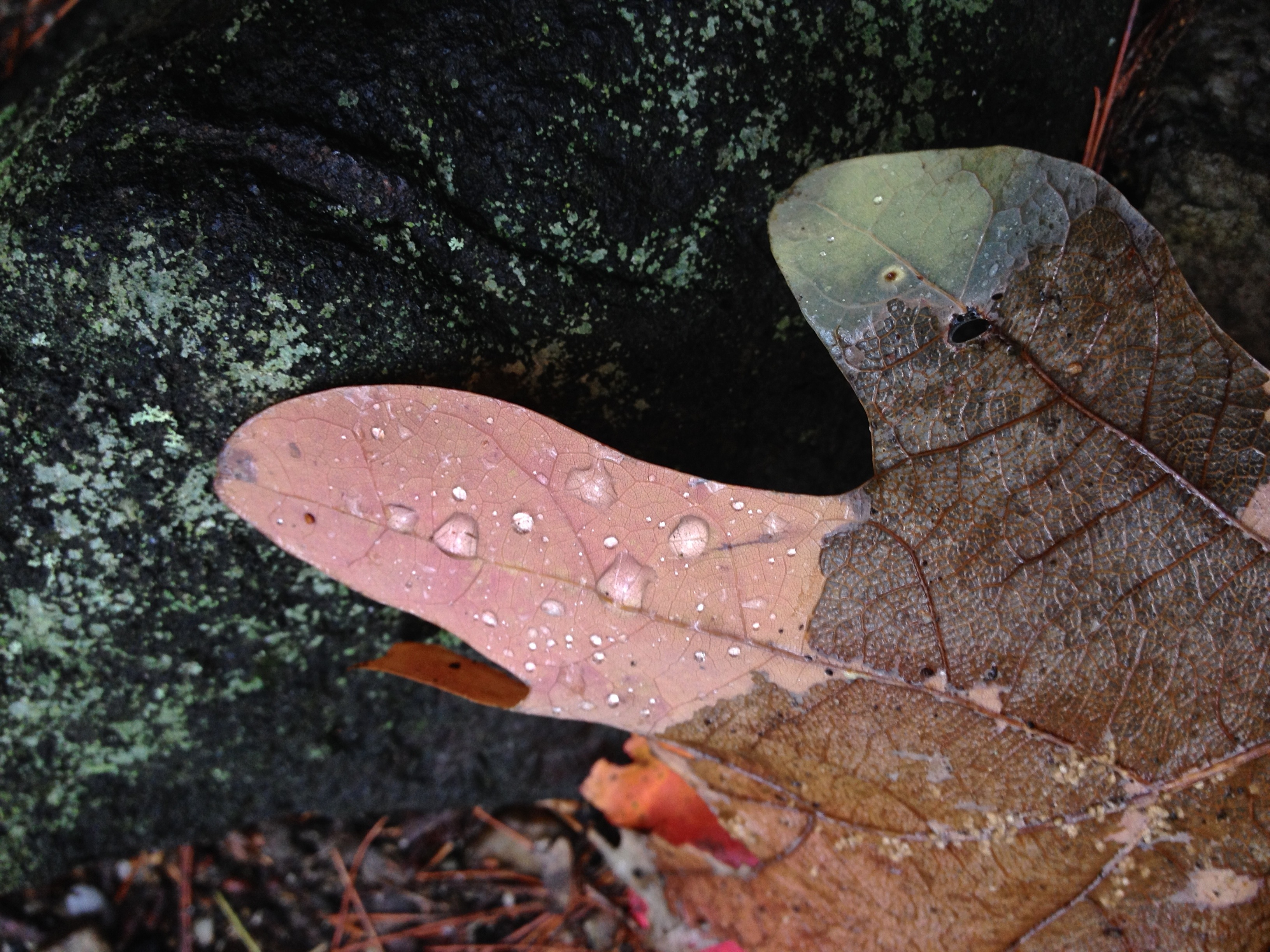
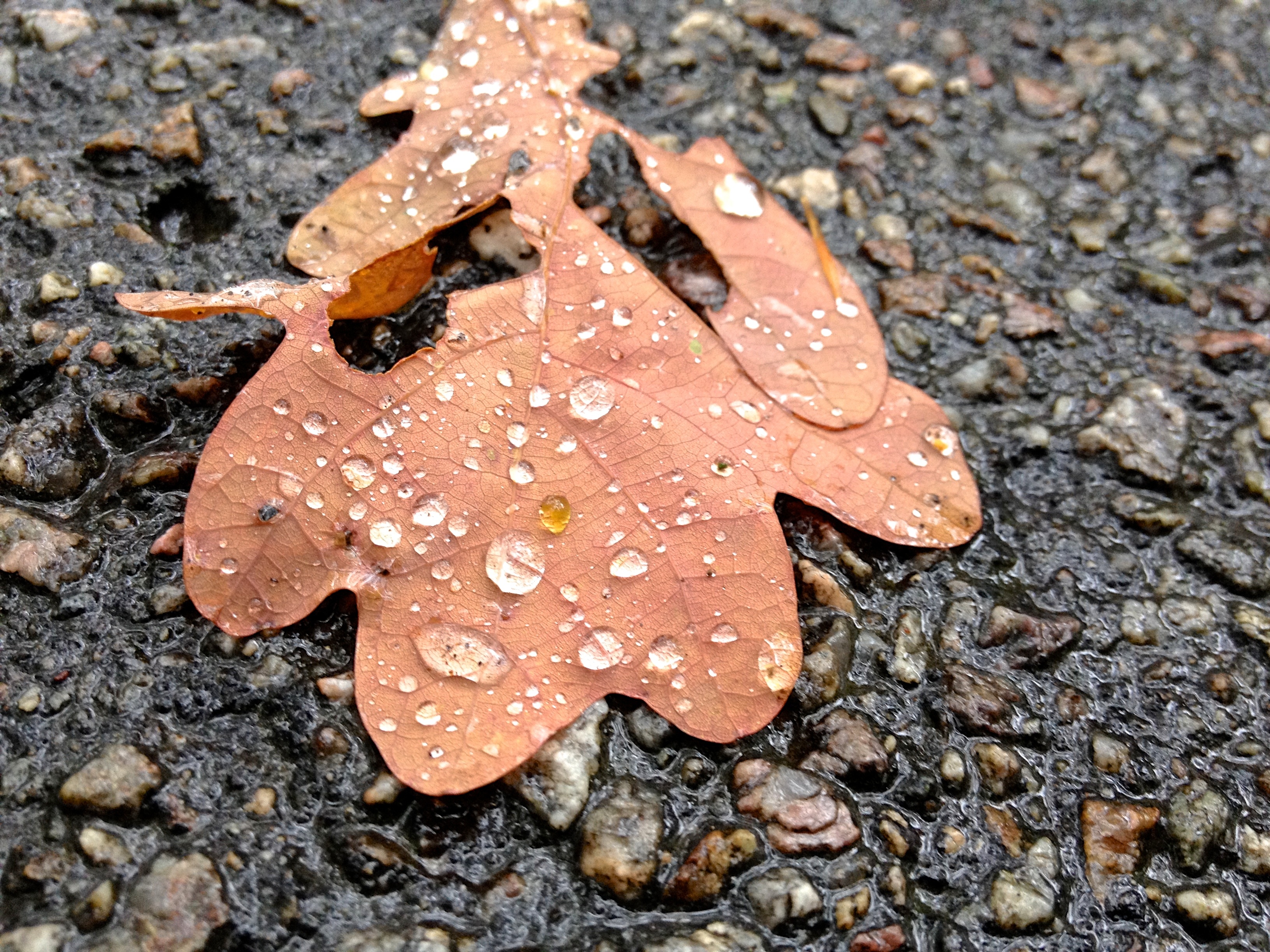
This seems to have been an especially good year for caterpillars, because I’ve noticed that almost all of the leaves that fall (as well as those still up in the trees) have quite a few holes or other evidence of having been munched. In spite of these flaws, I still find the leaves to be quite beautiful. Many of the holes even add to their character. (This is not the first time I’ve made that observation.)


An orange leaf (or what’s left of it), outlined in red.


This leaf was thoroughly munched before falling to rest on the thick carpet of moss.


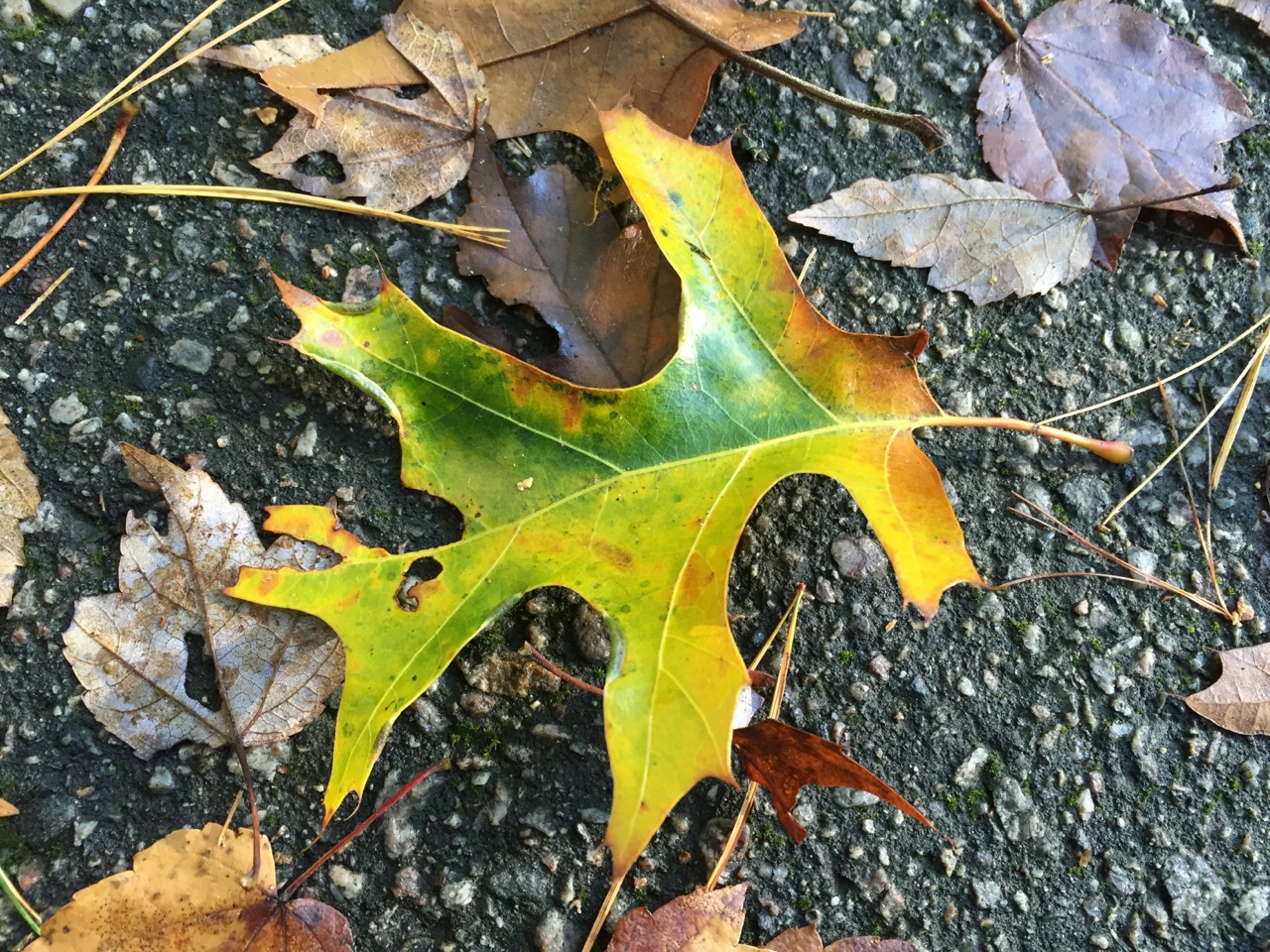
The bright orange and red leaves tend to steal the show, but bright green and yellow leaves can still be quite eye-catching. (It was the colors more than the holes that caught my eye with this fellow.)


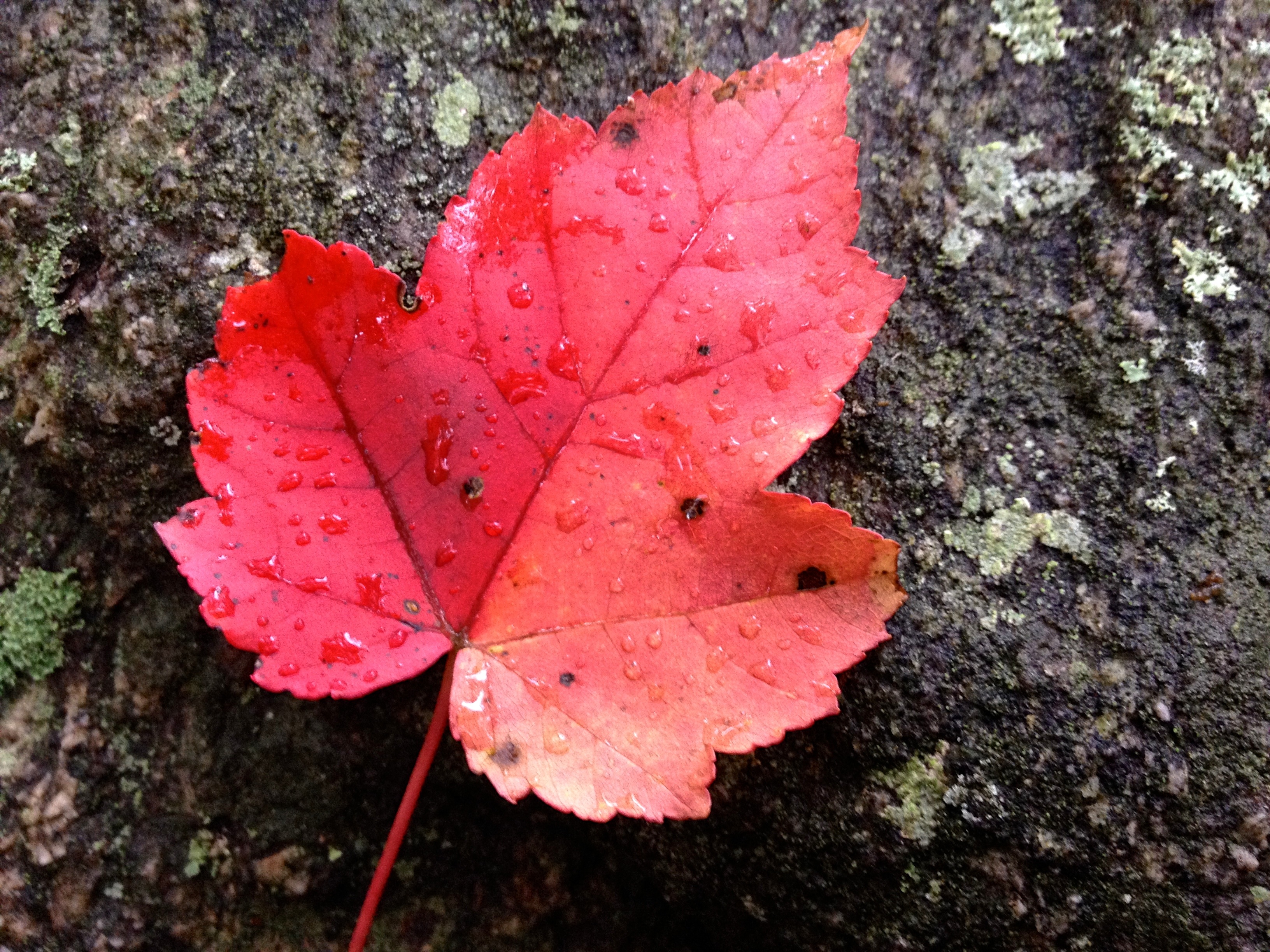
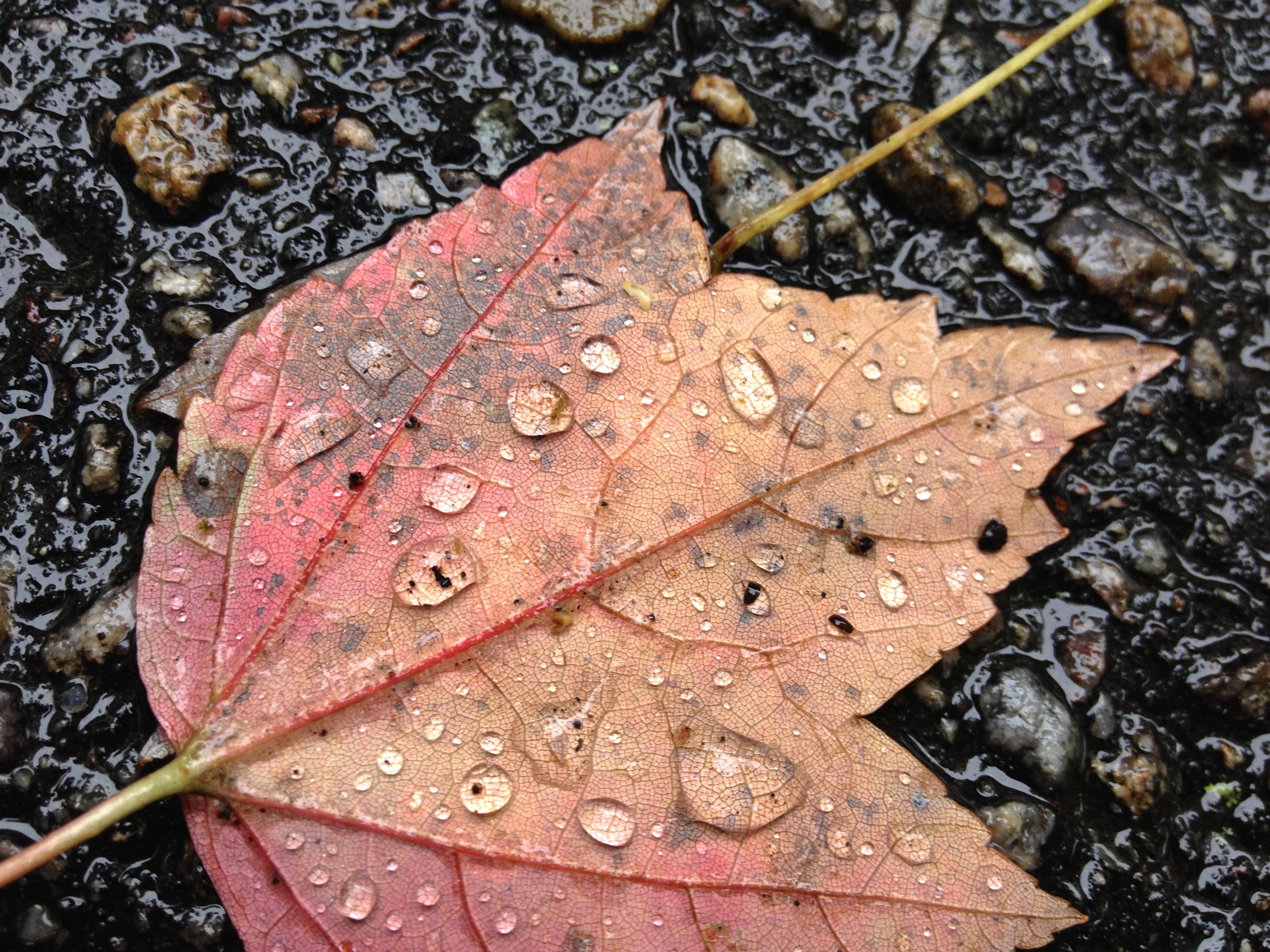
I like the way the mottled surface and holes of this bright red leaf echo the patterns of the rocks in the asphalt.


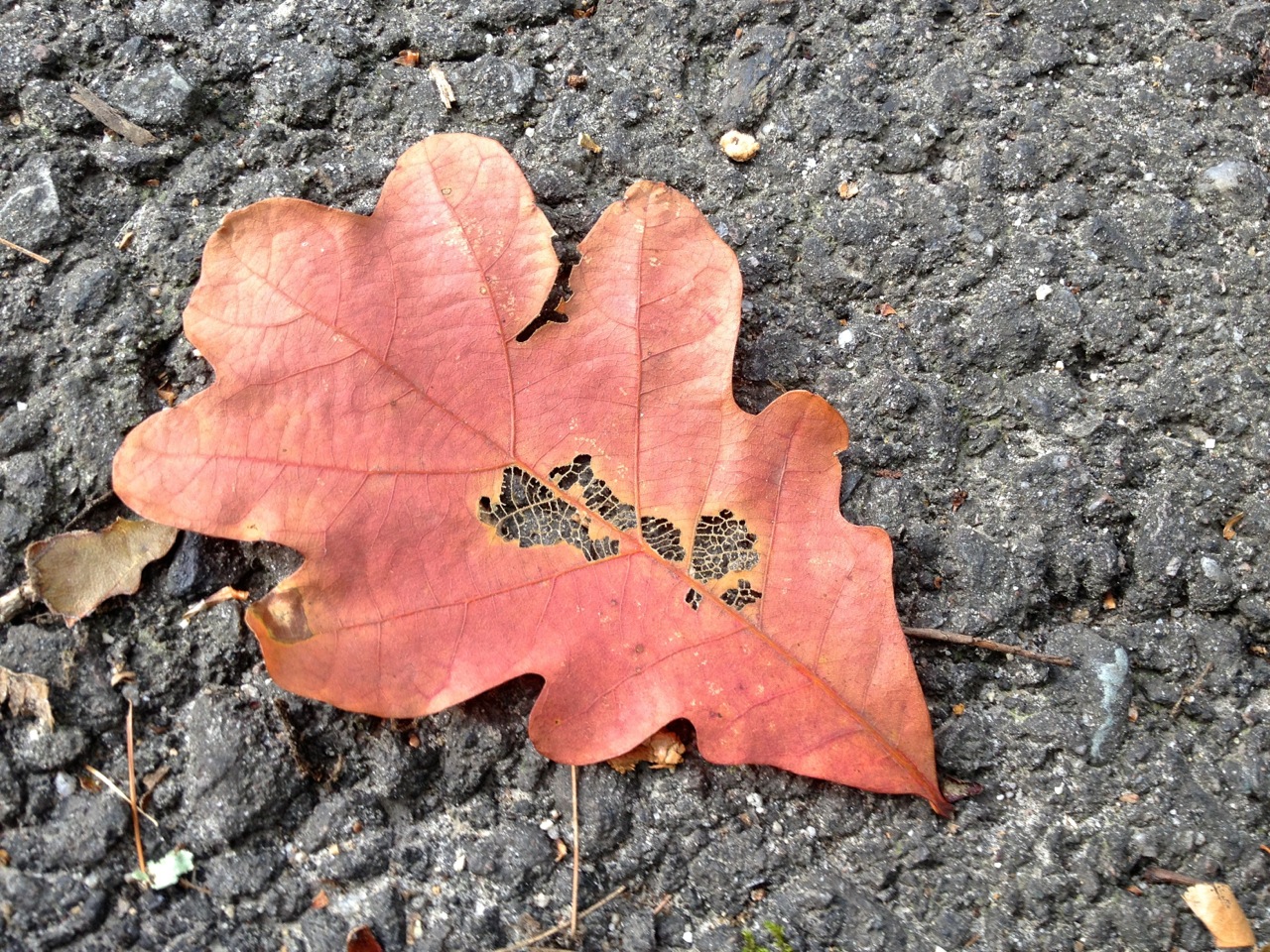
This graceful oak leaf has tiny holes spread out over its surface.


The holes in this oak leaf look quite lacy.


After taking this photo a few days after the photo above, I realized that it was almost certainly the same leaf that caught my eye again. (If you mentally flip it over, you can see the same shapes in the holes.) It’s interesting to see how the color of the leaf continued to change after falling on the ground.


I am not the only one who enjoys finding interesting leaves. Also, notice the funny ring of green around a hole in this leaf.

the glow of a sunny fall morning

After a stretch of rainy days earlier in the week, Friday’s sun was a welcome change. While waiting for the school bus, my eyes were drawn to the glow of leaves every which way.


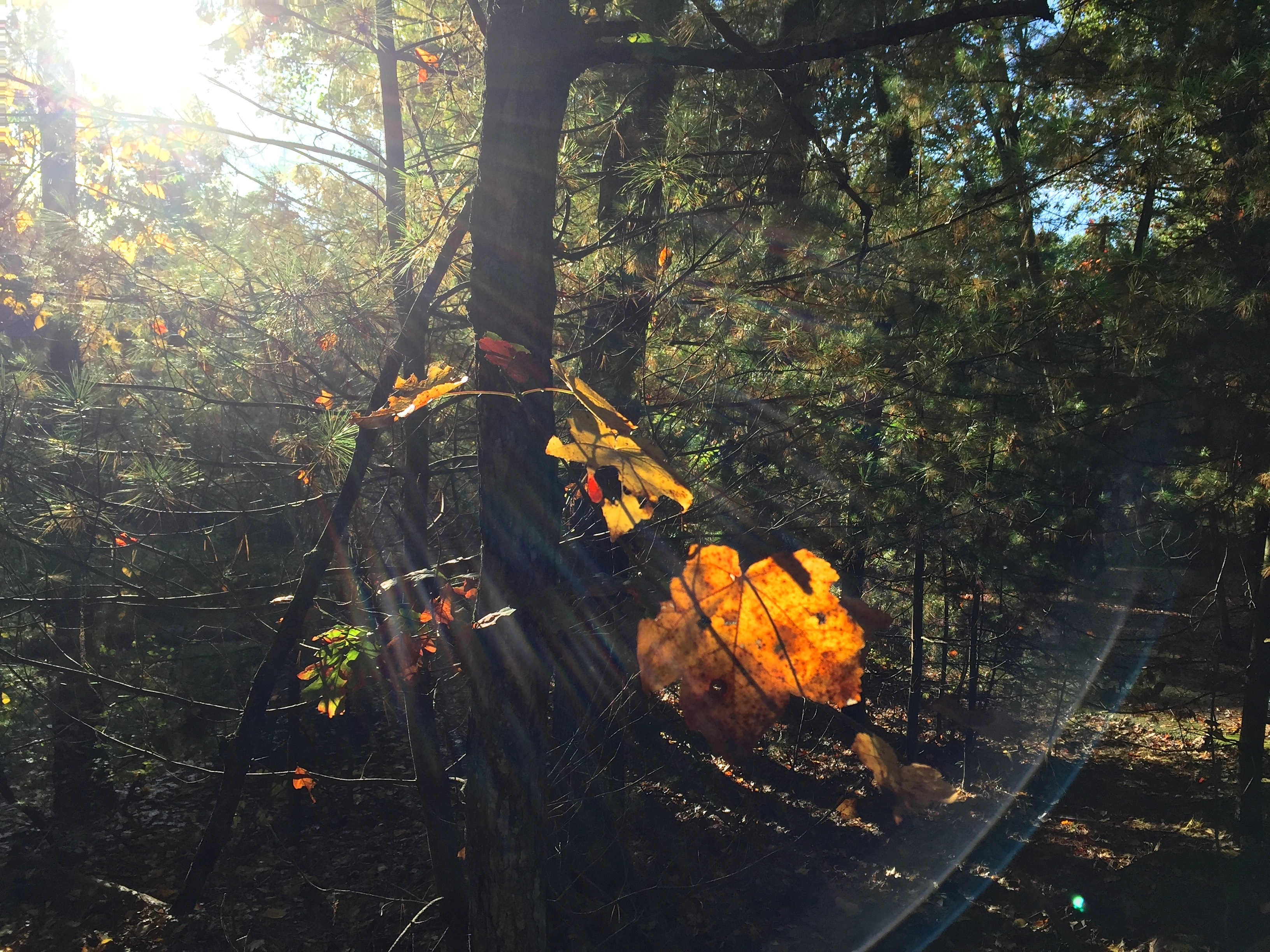
Most of the maple leaves had been knocked off the trees by the previous days’ wind and rain, and the few remaining hangers on appeared to float in the bright sunlight.


A few hovering maple leaves.


Can you spot the lone red maple leaf that caught my eye, appearing to float among the pine needles?


The kids, standing among the many freshly fallen leaves on our driveway, and enjoying the bright morning rays.


Even the pure evil that is poison ivy glowed enticingly in the sunlight.


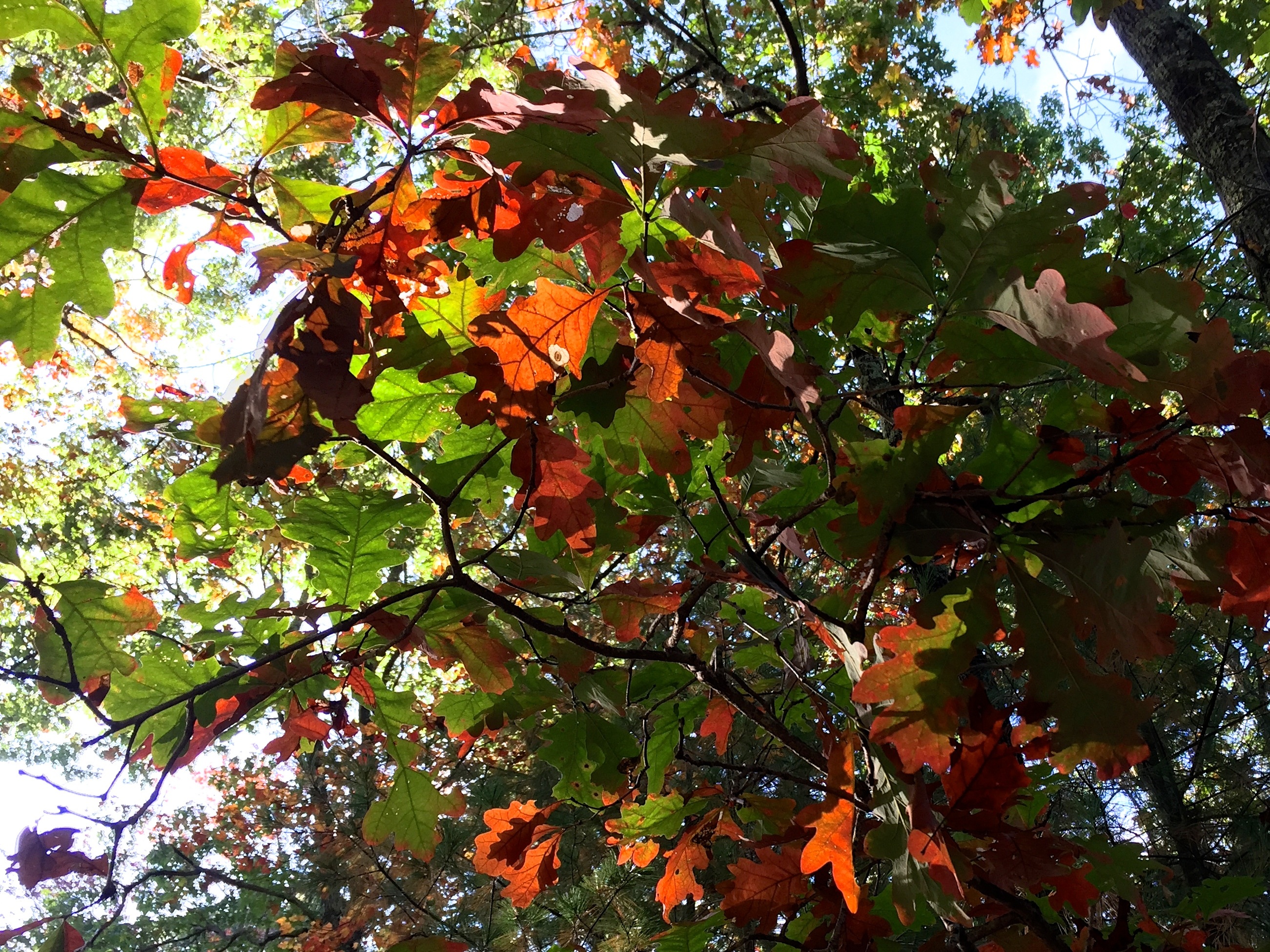
I love the confusing patterns formed by the mingled orange and green oak leaves and their shadows.


The view up our street.

I do really love the fall, especially living here in New England.

a scurry of squirrels

Following up on yesterday’s joy in learning a few new terms for collective nouns in English, I found myself wondering whether there were any interesting names for a group of squirrels. Indeed, squirrels did not disappoint: one say “a scurry of squirrels.” I find this especially pleasing, given that squirrels do tend to scurry.


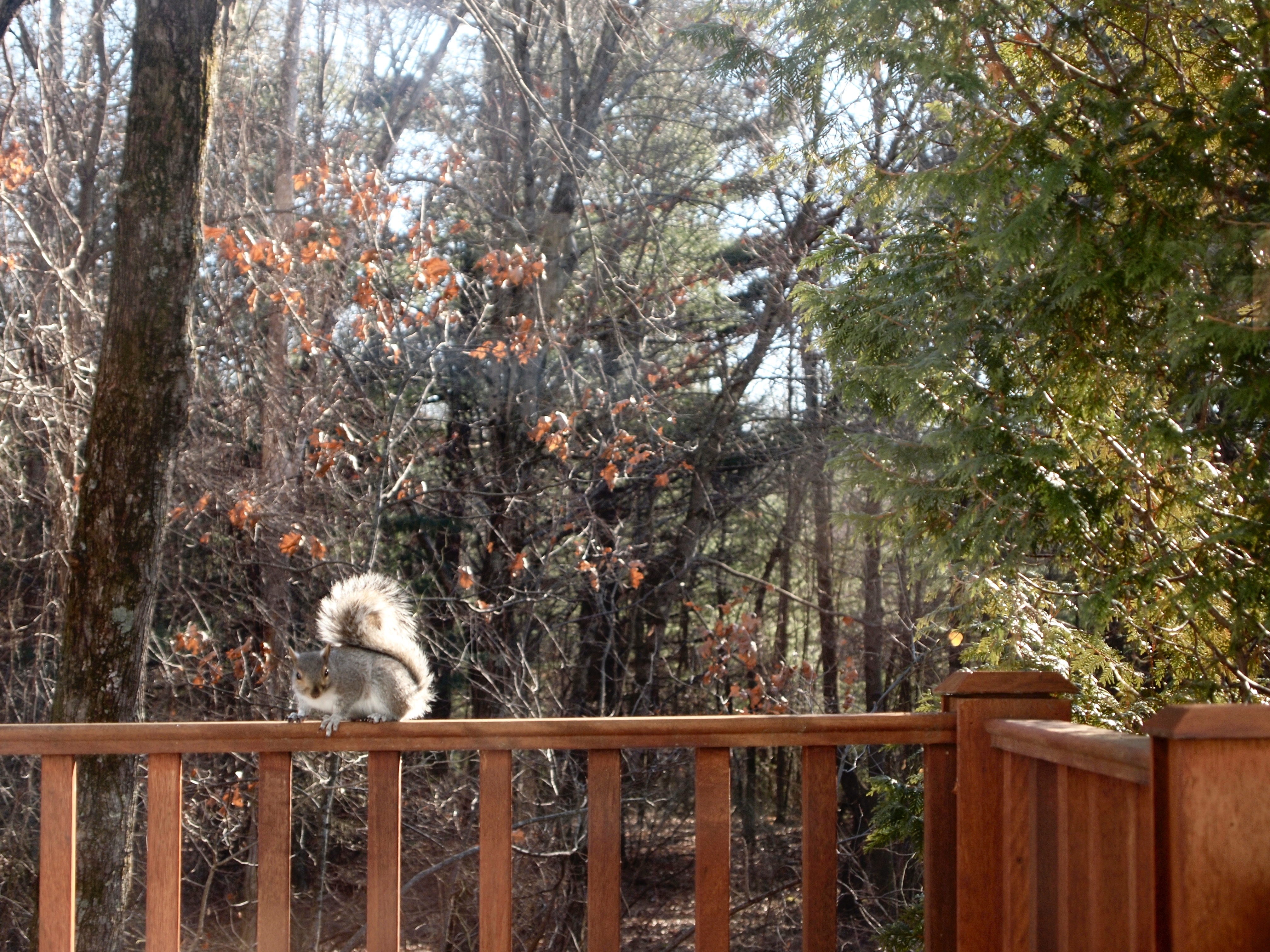
This member of a scurry appears not to be in a hurry.


A furry member of a scurry, showing off the fluff of its tail in the sunlight.


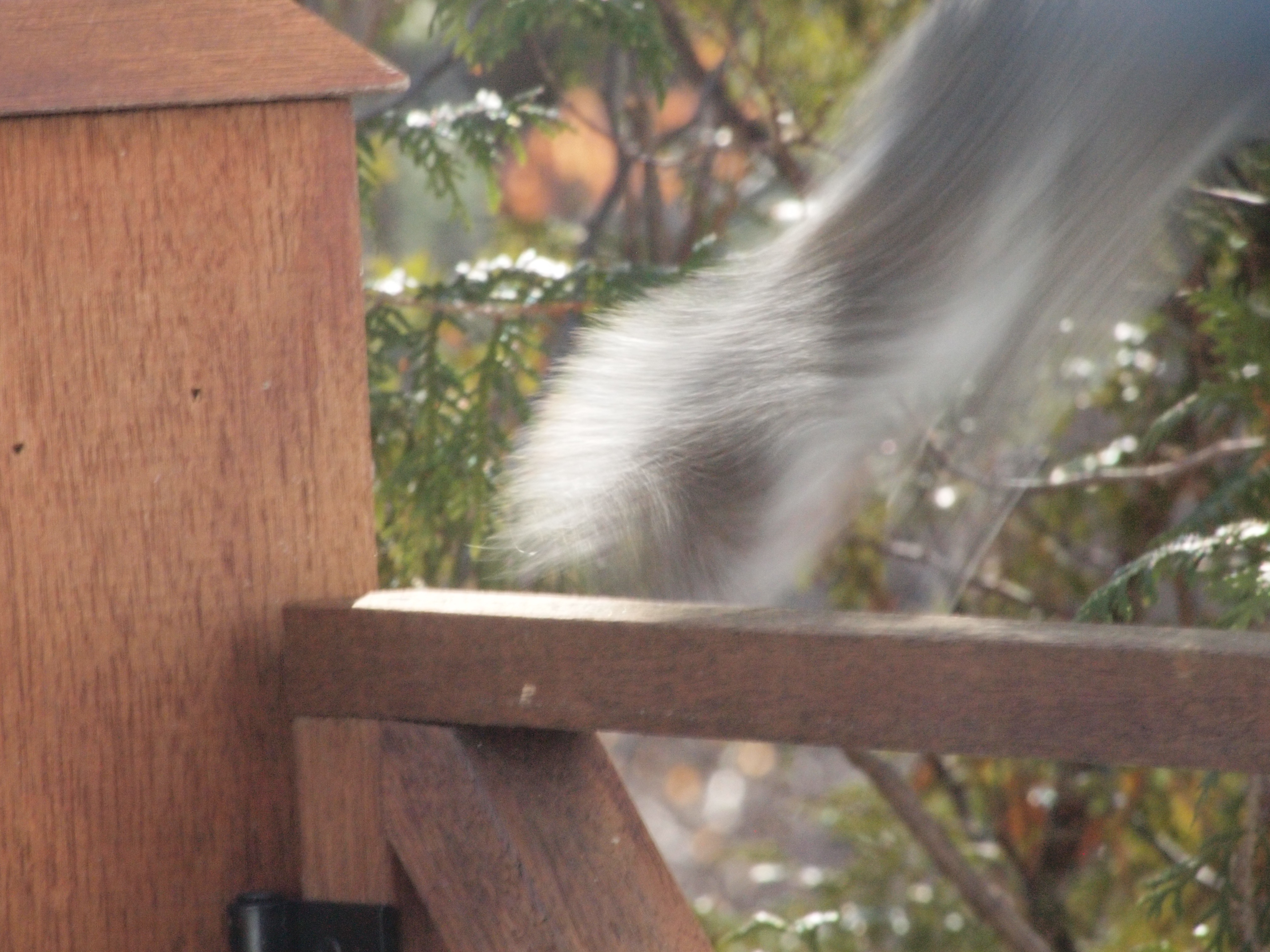
A blurry flurry of a departing scurry.

In fact, at least 2 of these photos are of the same squirrel, so perhaps this is an insufficient quantity of squirrels to form a scurry. (Does anyone know the requisite number of squirrels for a scurry?)

A few shy of a parliament (friday foto finder: rook)

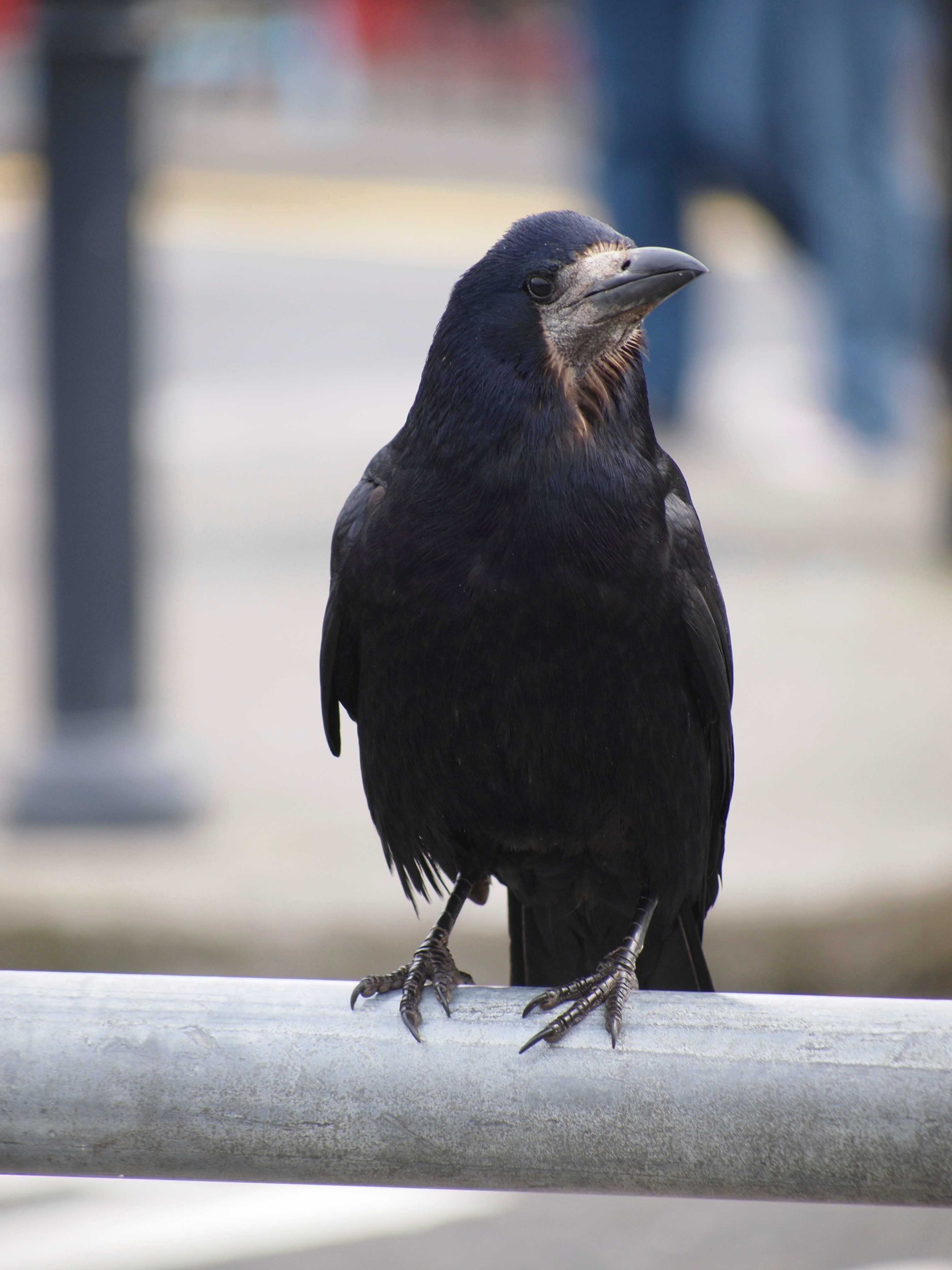
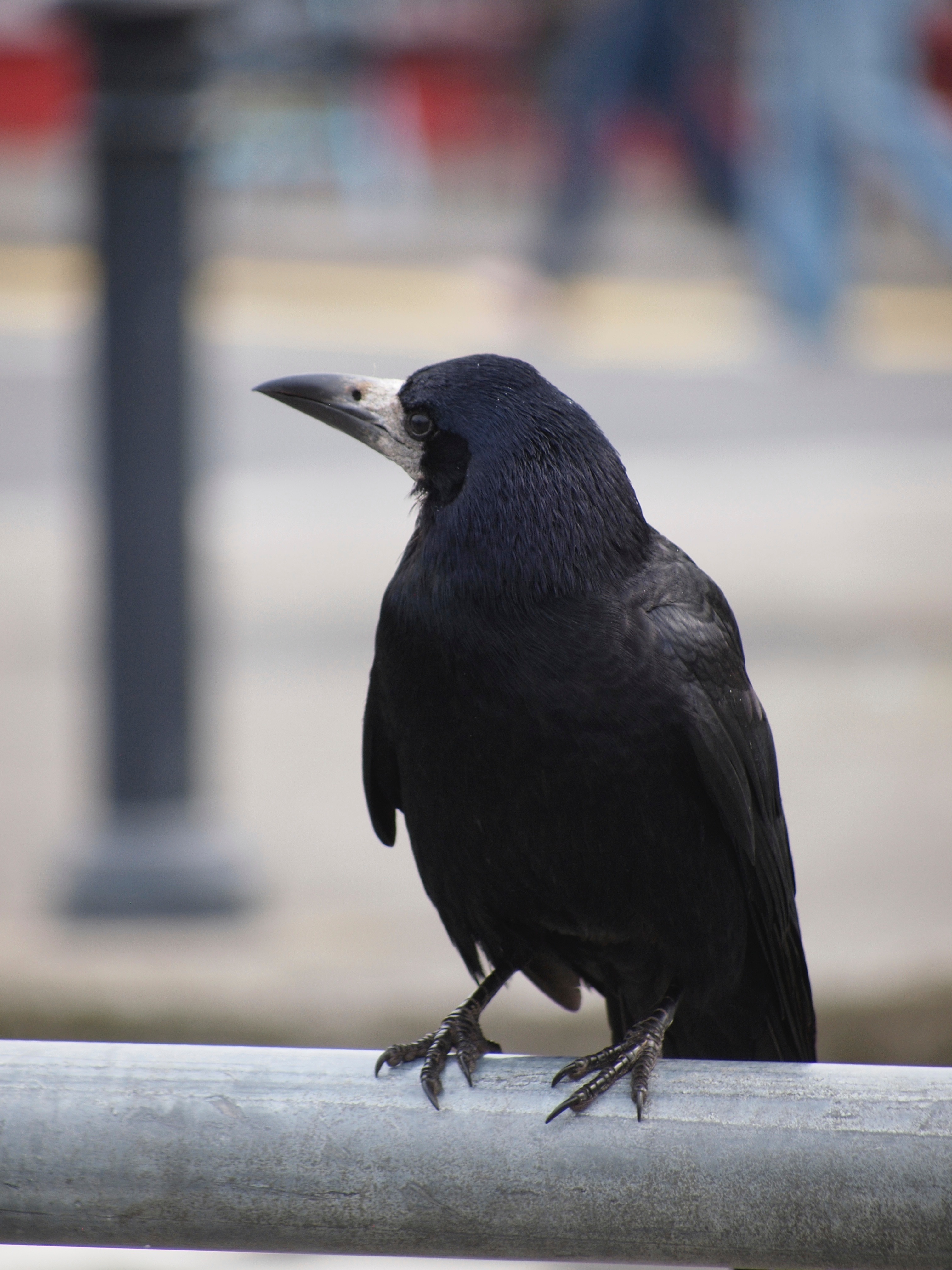
This week’s friday foto finder theme is “rook,” which gives me the excuse to post these photos of this little guy I met in Howth, Ireland back in May. After pecking around on the ground scavenging for crumbs from my snack of oatcake, this rook hopped up on a railing and posed for a few photos.

I was not entirely sure that this bird was a rook, and not some other type of crow, but according to the Wiki entry for rook, he seems to fit the bill:

Rooks are distinguished from similar members of the crow family by the bare grey-white skin around the base of the adult’s bill in front of the eyes.

This one does indeed have that telltale gray skin about the beak.

In my research, if skimming through a Wikipedia page counts as such, I also came across this tidbit:

Collective nouns for rooks include building, parliament, clamour and storytelling.

Such a lovely bit of information to come across. I had certainly heard of a murder of crows, and would have guessed that a collection of rooks might be similarly called a murder. In a delightful coincidence, my friend at Mouse-traps and the Moon shared a post today as part of a series on beautiful books about collective nouns:

…four collections of visually witty takes on those delightful and often improbable collective nouns for animal groupings: A Drove of Bullocks (animals) A Filth of Starlings(birds), A Shiver of Sharks (sea life) and A Crackle of Crickets (insects).

Clearly, there are many more collective nouns out there for me to learn!

To see what other types of rooks have been sited, and maybe even a whole clamour or storytelling of them, flock over to the fff blog.

fire and water

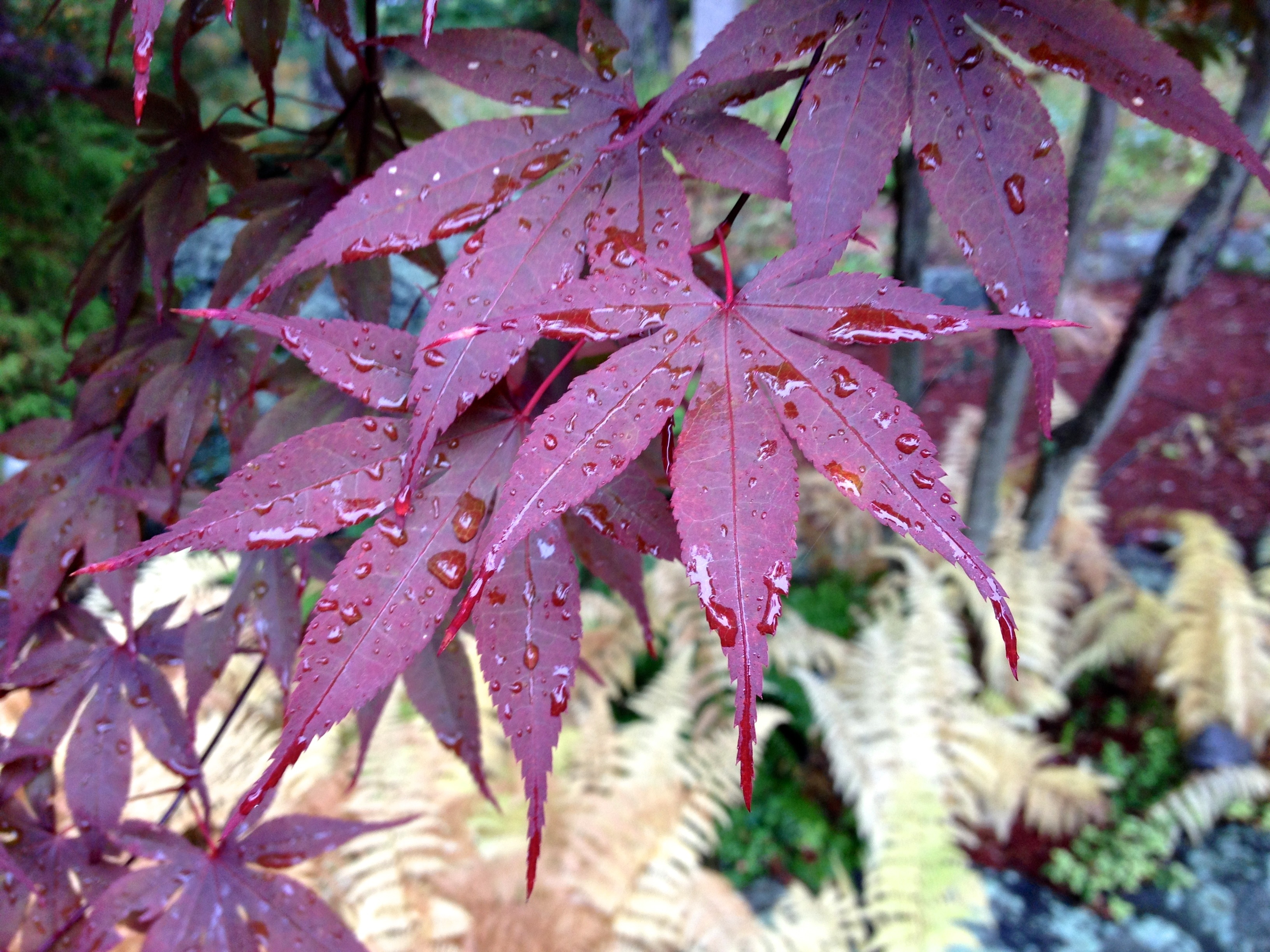
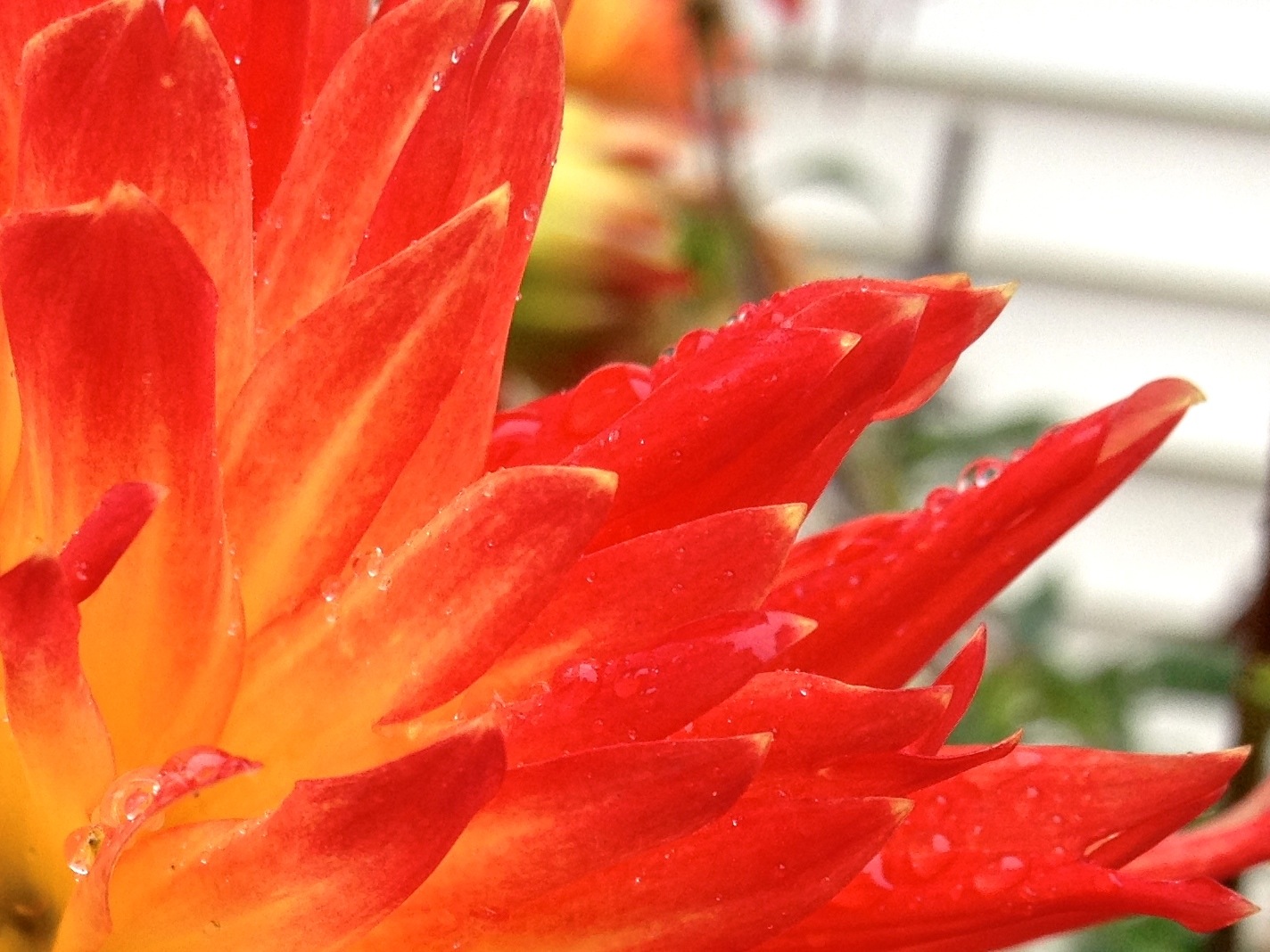
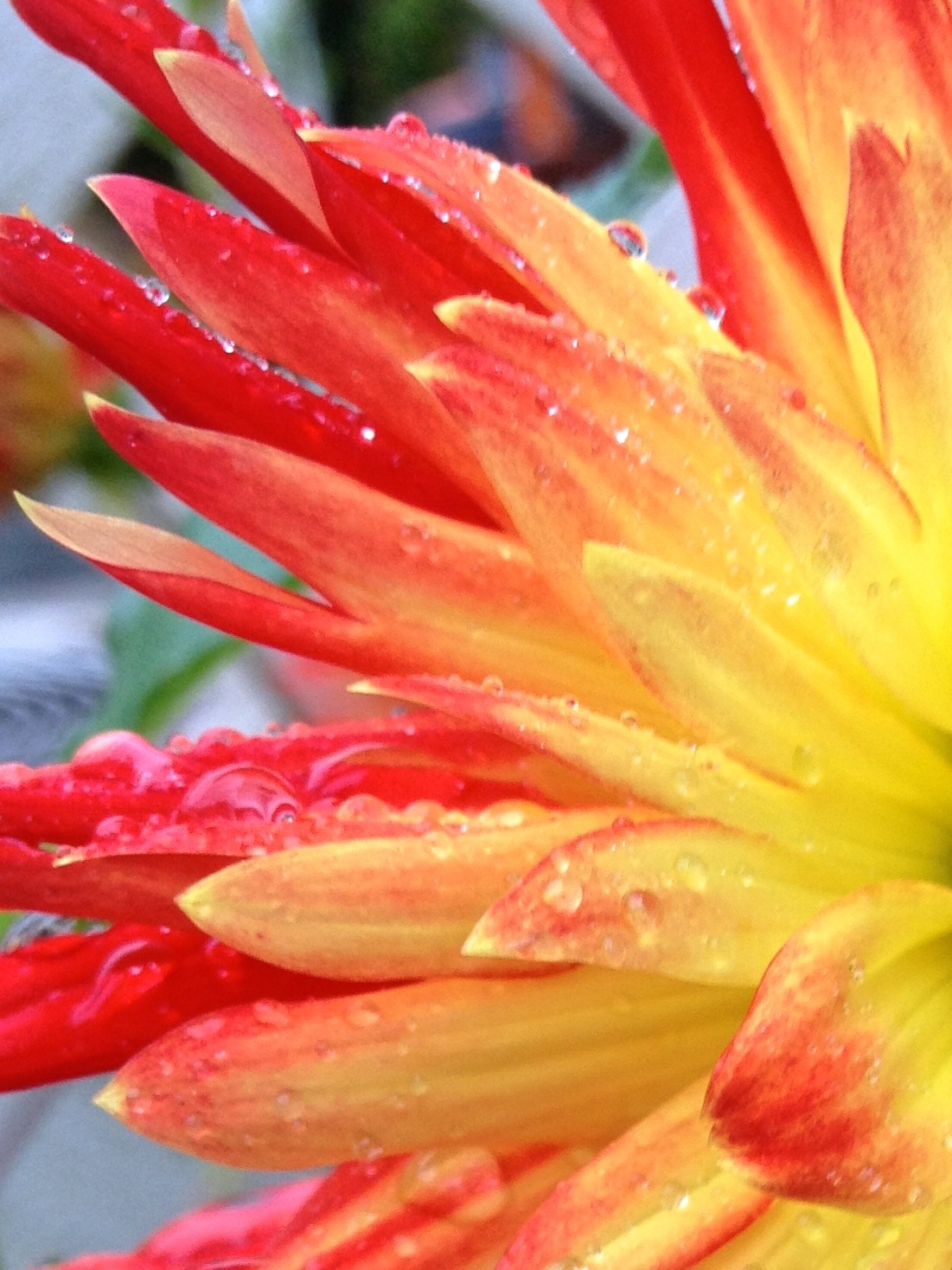
Today was a wet and rainy day, and once more I found my eyes drawn to the water drops that collected on various plants. At the farm where I went to buy eggs, these bright red and yellow flowers caught my attention, with petals that looked to my eyes like raindrop-covered flames.

a tomato a day

This year has been a bountiful year for tomatoes where I live, and given my CSA membership and friendship with a successful gardener, I am certainly supplied with an abundance of tomatoes. But this post is not actually about that kind of tomato.

The tomatoes I’m talking about are chunks of time: I’ve been using the Pomodoro technique to get my work done. I’ve mentioned before that I have found this method of working in timed stretches to be helpful to my productivity.

A little more than a year ago, July of 2013 to be specific, I started to meet regularly with another PhD student from my program to commiserate and work on goals together. One goal I set was that I would work at least one tomato, that is a 25-minute stretch of time focused on the task, on my own research.

With all my other obligations for group research as well as parenting and home commitments, my own research had been regularly getting pushed to the back burner. While I’d work in impressive bursts for upcoming deadlines, such as when preparing for conference submissions and presentations, l would regularly go days or even weeks without looking at my own research when the other obligations had their own crunch times. I might make reasonable progress during the week, but a busy weekend or school vacation would come up and push all thoughts of my research out of my head. A family crisis or even a fun time like a family trip would come up, and even longer would go by. When the time would come for me to dig back into my research, it would feel alien to me. I actually had the experience of reading papers I’d written almost as if they had been written by someone else. (I’m happy to say that I did at least find them to be interesting and well-written!)

Since making the commitment to myself to do at least a tomato a day on my own research, I have made much steadier progress. There is much greater continuity, and I feel connected to my projects. Some days I manage to put in more time on my research, but I’m happy to say that I have always managed to get in at least one tomato before bedtime. (I had to give up on getting the tomato in before midnight at some point–there were days when I was travelling when it just wasn’t feasible.) Friends and family have come to know about my daily tomato.

Over the past year, there have been times when I have really wanted to just go to bed, or at least just goof off, at the end of a full and exhausting day, but I have not let myself off the hook. Even when travelling. Even when falling asleep at my laptop. 25 minutes is always an amount of time I can fit in. Even when the work is not my best or most focused, the gains to my sense of continuity have been immeasurable. I can much more easily pick up where I left of the day before.
I am feeling connected to my research every day in a way that I haven’t before.