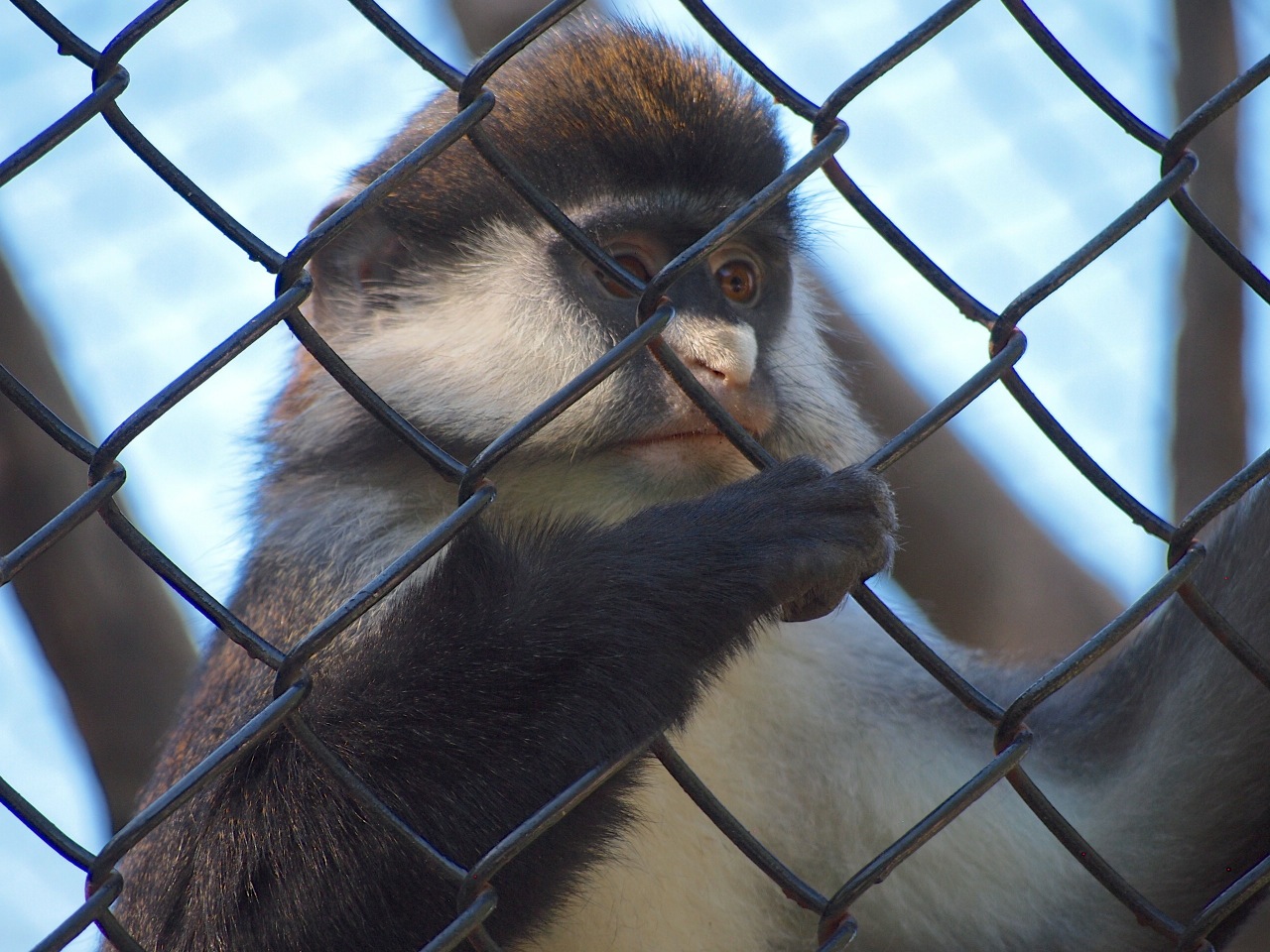
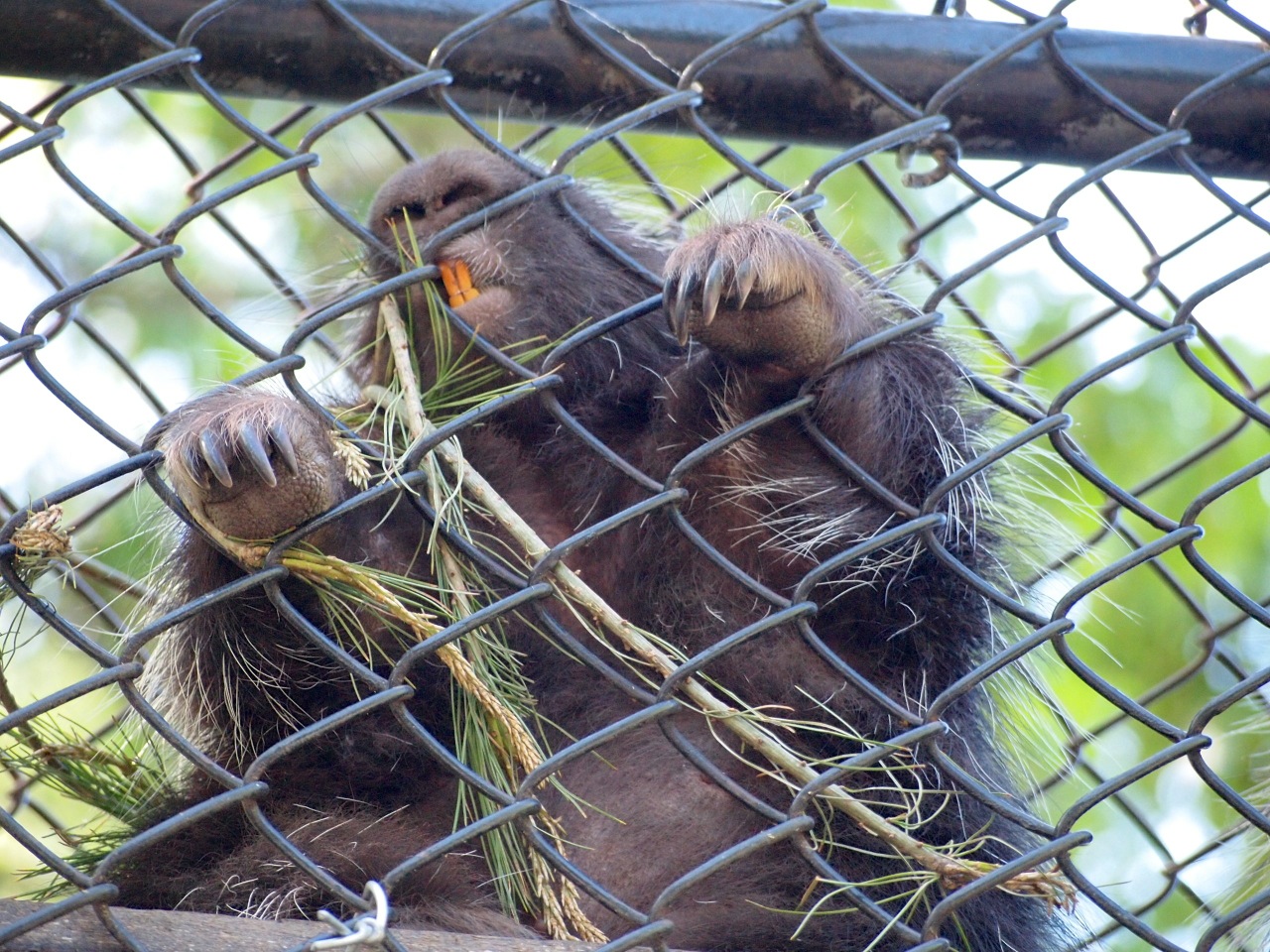
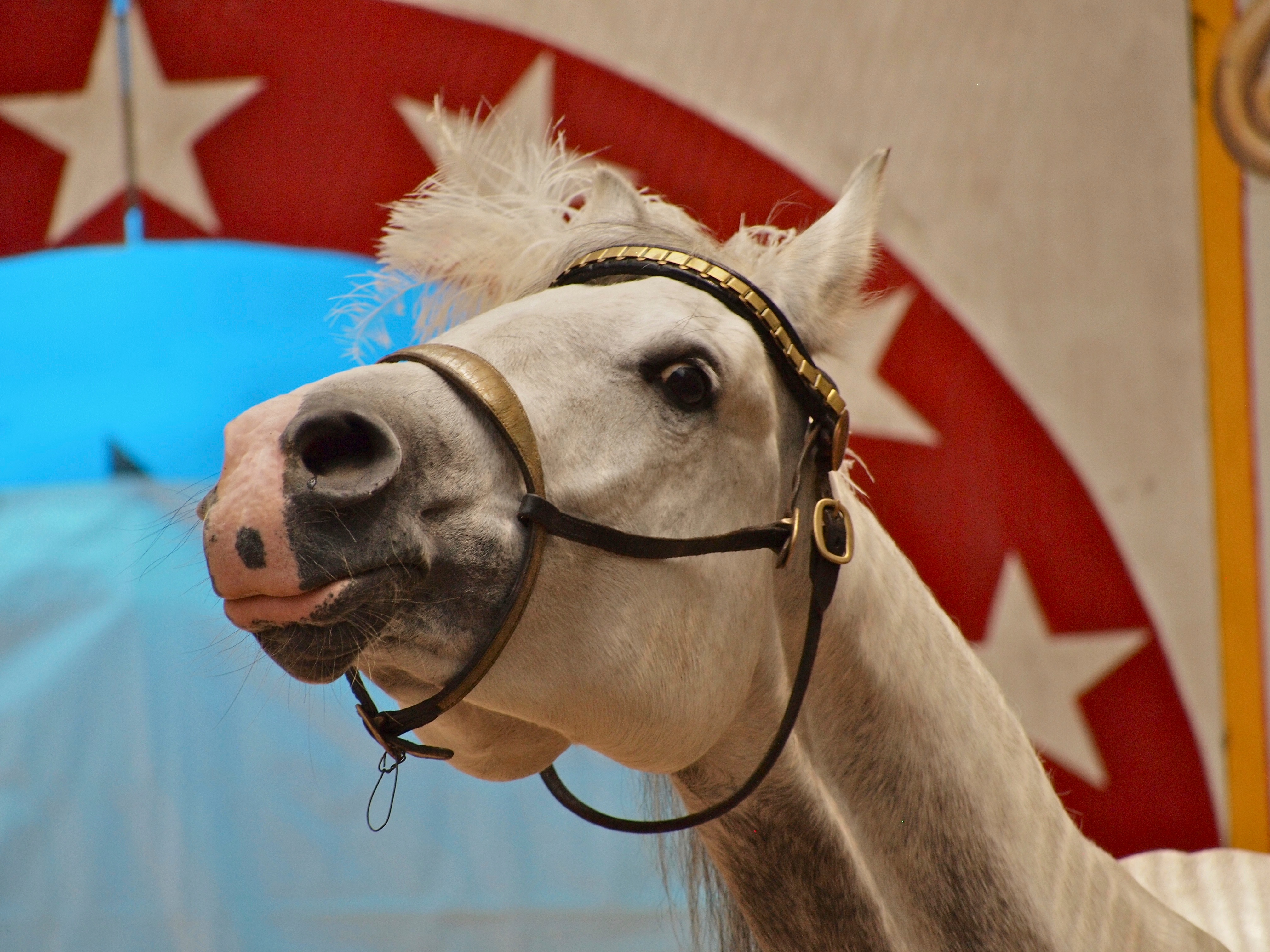
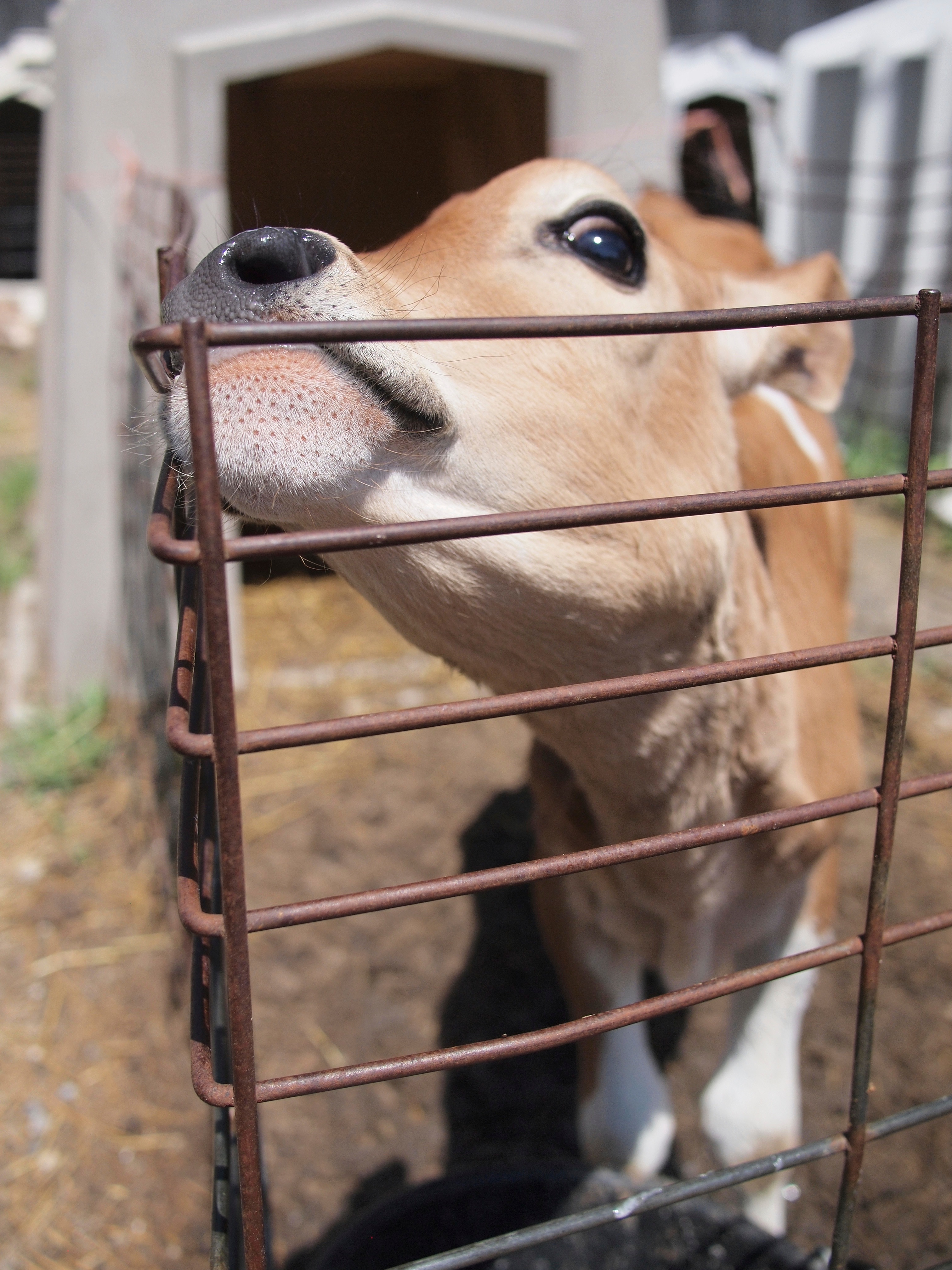
3 photos of animals stuck in cages

Whenever I’m feeling stuck in my life, I like to go to the zoo to remind myself that I am not actually trapped in a cage like those poor suckers.


This monkey has lost count of the number of days it’s been stuck in the cage.


A family of lemurs are plotting their escape, if only they can get their paws on the right tools.


A porcupine struggles to smell the sweet scent of freedom outside the cage.

splish splash (friday foto finder: water)

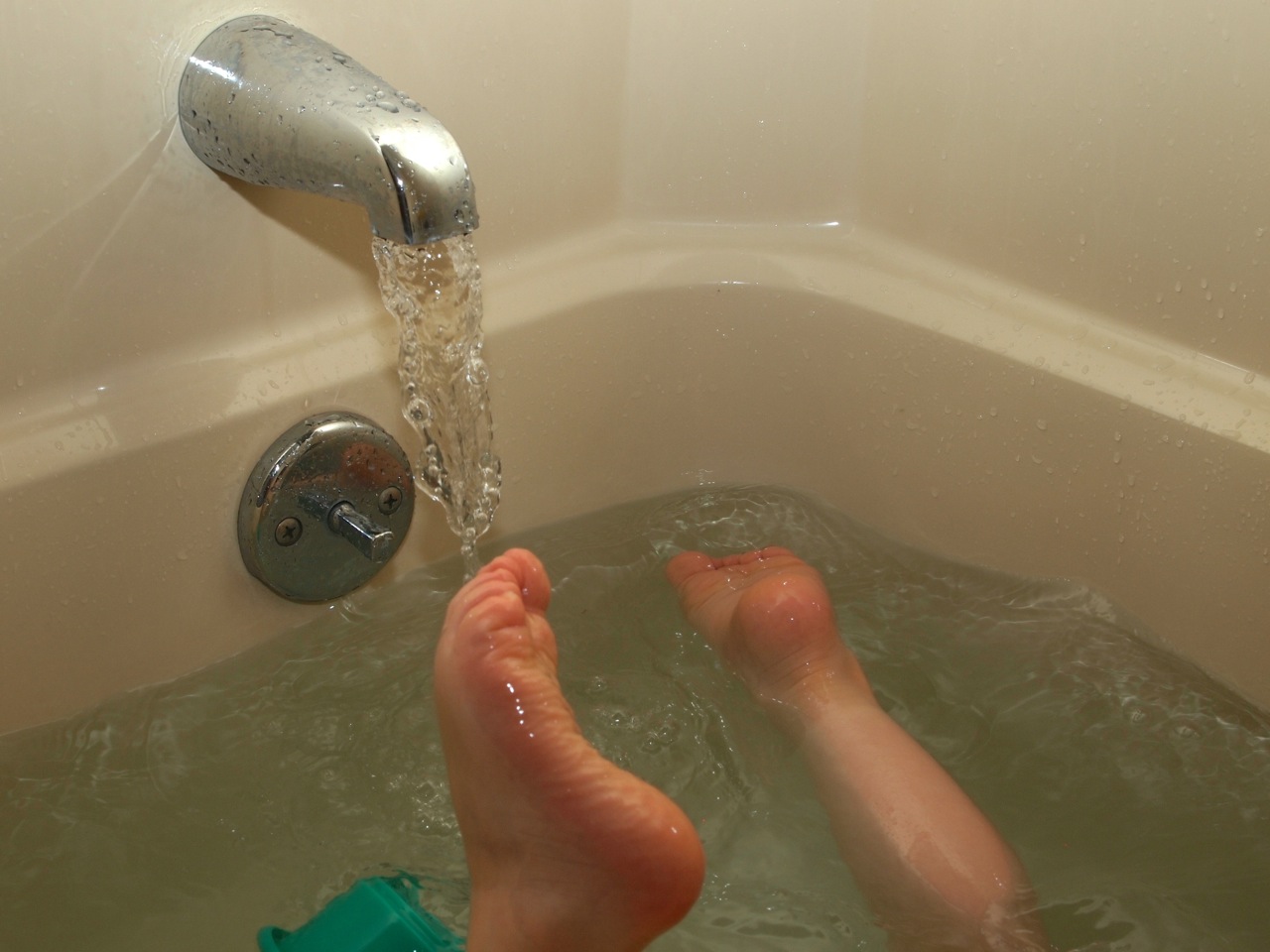
When you are a toddler, bathtime can be a lot of fun. So many opportunities for splashing! And when you enjoy taking photos, this can be a great time to play around with catching those splashes in action.

These were some photos from when Theo was 2. To catch the drips mid-drop and the splishes mid-splash, you need to have a pretty fast shutter speed. (Mine looks to have been 1/125, or a125th of a second) Since our bathroom doesn’t have terribly bright light, I used a flash for these. I think I had at least as much fun as Theo did. (If you try this at home, be warned that there’s a good chance your camera may catch a splash here and there, and I don’t just mean in a photo.)

That was the summer that I started in on Project 365, and I worked through self-chosen themes each month. My first month I chose reflections, and the top photo is the one I selected for that day. I loved a bunch of the others, too, so I’ll take this opportunity to share them.

Check out the slide show for a few more photos from this set.

This slideshow requires JavaScript.


This week’s friday foto finder challenge is to find photos with water. Well, it’s certainly not exactly a challenge for me, as water is one of those subjects I am drawn to in photography. I love the interesting distorted reflections from water’s varied surfaces, and am fascinated by the refractions visible in drops or containers of water. I may just have to post a few more this week!

Fairy impersonator? (friday foto finder: insect)

When I was a sophomore in high school in California, I had a truly excellent biology teacher. The assignments were creative and varied, and the lessons I learned stuck with me long after the class ended. One of the major units we covered in that class was about the insect world. We learned about all of the orders of insects. A major assignment was to collect, identify and classify insects from as many of the orders as we could. For some orders, it was ridiculously easy to find specimens. Hymenoptera (which includes ants, bees & wasps), diptera (including mosquitos and houseflies), coleoptera (beetles), lepidoptera (moths & butterflies) were a dime a dozen, with multiple species of each of those orders crossing our paths regularly. Others required a bit more persistence, hunting through the grass and under rocks, or stalking the porch light at night.

My best friend and I participated in the project with the same competitive/collaborative spirit that drove our academic success, collecting and comparing our insects with interest and enthusiasm. She, who felt revulsion for earwigs, collected her dermaptera specimen with triumph. I, with my aversion to moths, likewise felt satisfaction in including a feathery-antennaed hymenoptera specimen in my own collection. I don’t remember how many orders we each managed to represent in total, but I want to say that it was somewhere around 17 or 18. (I seem to recall that my friend managed to find one that I hadn’t, a fact which she playfully lorded over me.)

That project forever changed how I look at insects.

Living in the woods in rural Massachusetts, we sometimes get wildlife in our yard and around our house. Sometimes, the wildlife makes its way into the house. Once such bit of wildlife was this character, which turned up in our kitchen one June evening in 2010. It had a long segmented body, perhaps 2 and half inches long, and large lacy wings. I was, naturally, fascinated.


Hi.

John and I captured it in a plastic tub with the aim of releasing it. I took a few pictures of it, but sadly, they are blurry in the poor lighting conditions. Also contributing to the blur was the fact that the insect was moving constantly, and I found it hard to get my eyes to focus on it, let alone my camera. The long body and the dramatic wings had an ethereal look to them, and I wondered if sighting of such creatures in the wild, fluttering about in people’s peripheral vision, may have contributed to belief in fairies. (Compare this little guy to the mummified fairy remains highlighted on Raincoaster. If you want to study interesting specimens of humanity, some of whom claim belief in fairies, you might have a look at the comments of that post. 2220 comments to date, many of them very entertaining.)
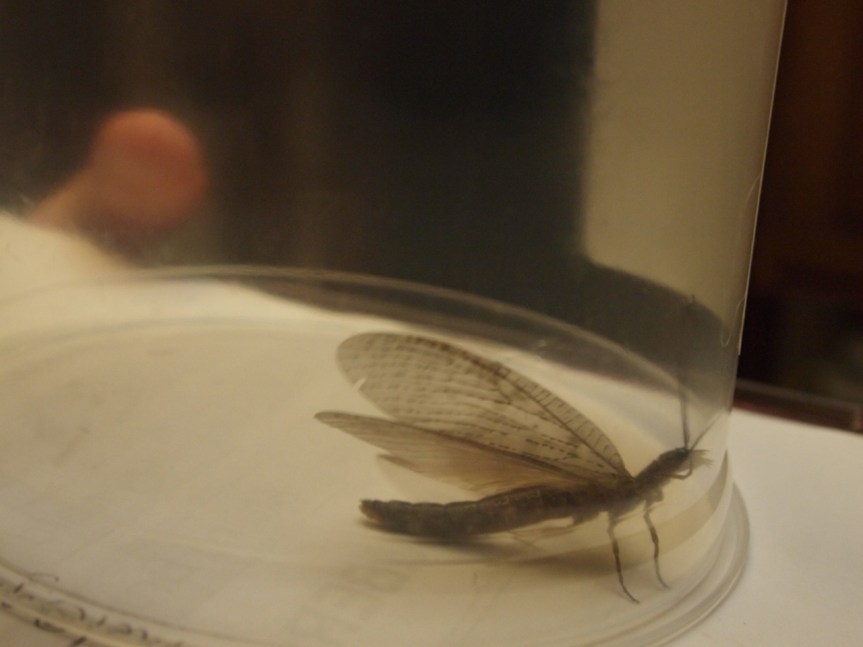

I’m bigger than your little finger.

Having ruled out that we had captured a fairy, I did wonder what exactly we had caught.

I wondered if it might be a large mayfly, (order ephemeroptera, among the more poetically named orders, reflecting the ephemeral nature of their adults’ lives). However, I think it is too large to be one. Additionally, it is missing the long cerci that mayflies have.

Most likely, it is a kind of fishfly, of the order megaloptera. (Apparently the designation of megaloptera as a separate order from neuroptera is relatively recent–I don’t know when this separation happened, though. It may not have been among the orders I learned about in high school.) Megaloptera, as you might guess from the mega prefix, are known to be large. (They are named for their large wings.)


Can I go now, please?

This week’s friday foto finder challenge was to find photos of insect(s). Unlike urban-dwelling az, who resorted to posting other invertebrates, I have quite a few photos of insects in my archives. (Ah, the perks of rural life.) I even have several posts on different insects. I have two ThThTh lists of moth things and butterfly things (order lepidoptera), plus some posts of my own photos of butterflies (again, lepidoptera) and fireflies (order coleoptera). I’m particularly fond of this one, eat or be eaten, which documents the unlucky encounter of a spider (an arachnid, and not an insect) with a damselfly (order odonata).

fff 200x60To see what other specimens have been caught for this week’s assignment, buzz, flit or crawl over to the friday foto finder blog.

3 photos of animals…not looking at me.

Last week I posted photos of 3 animals looking at me sideways. This week, in deference to my feeling that I am hopelessly behind, I will share some photos of animals from behind.


Zebra butt.


Giraffe hindquarters.


Tapir, backside.

I wonder how many among you can say that, today, you expected to be mooned by a tapir. Anyone? I thought not.

(You’re welcome.)

a koi look (friday foto finder: fish)

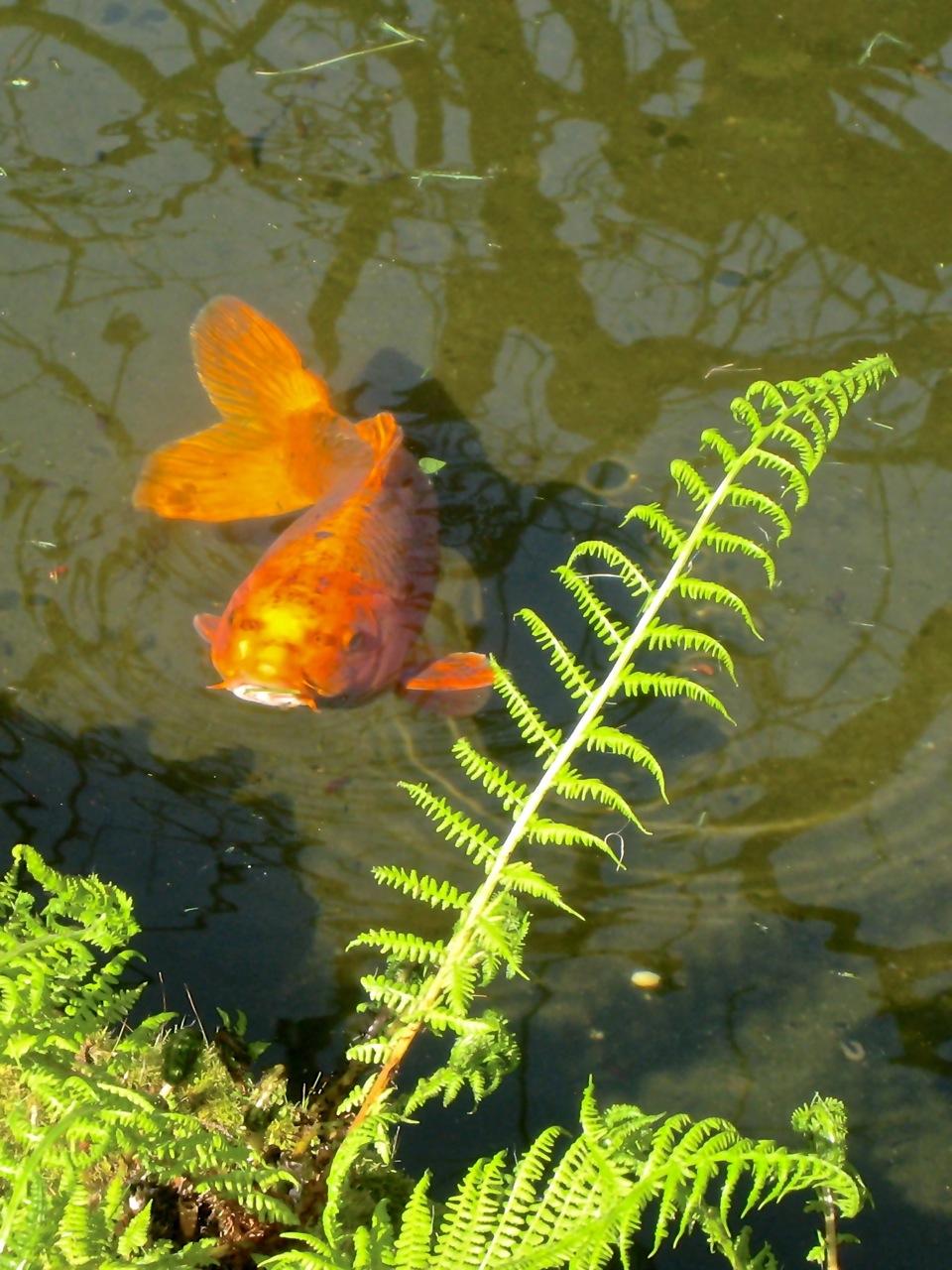
This week’s theme for friday foto finder is fish. Here is a koi from the ponds at the Japanese Tea Garden in San Francisco’s Golden Gate Park. I liked its flashy look, especially among the tangle of reflections in the pond.

To see what other fish have been caught, pay a visit to the friday foto finder blog

Spring renewal

First of all, thank you for your supportive words and thoughts on my post of a few days ago. Your comments, and the knowledge of your support, meant a lot to me. While the interceding days were far from what I would consider either restful or productive, I am feeling more like myself. I expect that it will take a long time to process the major events of the past few weeks. Perhaps I will have time to process some of my thoughts here, perhaps not.

In the meantime, I will do what I so often do: share a few unrelated photos.

Exactly a month ago, we welcomed the official start of Spring in the the northern hemisphere. However, in my own neck of the woods, Spring was heralded by snow. More snow. The crocuses I had seen beginning to emerge were buried. By the next day, the crocuses began to emerge through the snow. And within a few more days, the ground was (mostly) clear of snow, and the crocuses bloomed.

This photo was taken with my camera. For some reason, it has trouble with the particular hue of purple of the crocuses, and they appear bluer here than in real life. That sounds like a metaphor if ever there was one.

Here is a photo of those same crocuses, taken with my iPhone, looking more purple. (There is something wrong with the structure of that last sentence, but I have a headache, and can’t sort it out. Probably something to do with attachment ambiguity.)

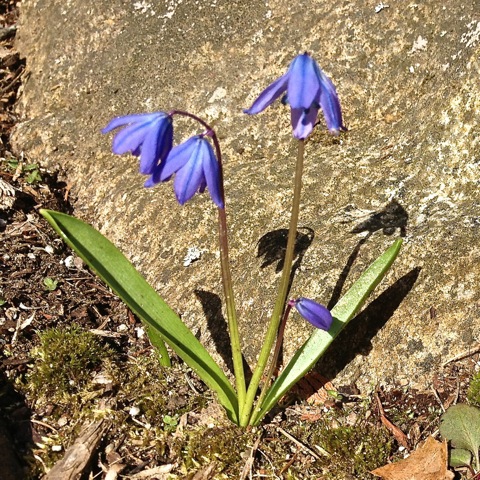
I loved the sharp shadows cast by these little cobalt blue flowers in a neighbor’s yard. I do wish my iPhone had done better with the focus, here. My real camera could have done better with the focus set to manual, but I didn’t have it with me.

We have some very resilient periwinkle in our yard. It was here when we moved in. A few years ago, we had a landscape designer rework our front yard, and her plans included removing the periwinkle. I’m not sure exactly why, but I was happy to let her run with her vision. (I believe she was aiming to use native plants as much as possible, and vinca are not native to the US.) The periwinkle was removed and some new trees and shrubs were planted. Soon enough, though, the periwinkle came back up. But I was not unhappy to see it come back. I realized that I quite like its shiny green evergreen leaves, and its bright little purple flowers.

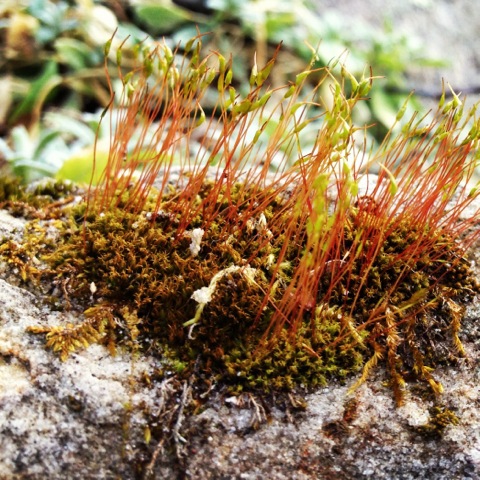
These are moss spore capsules, which shoot up in the spring, and will disappear soon.

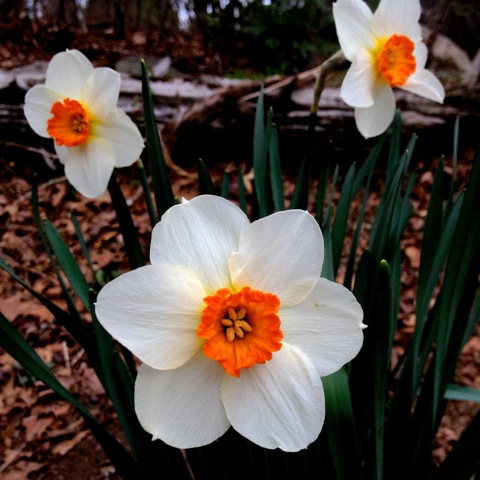
More flowers, cheerful-looking narcissus, from the neighbor’s yard. (I was going to say they were cheerful, rather than cheerful-looking, but I don’t have any insight into their mood. For all I know, they could be quite grumpy.)

So, there you go. Cheery looking flowers.

stumped

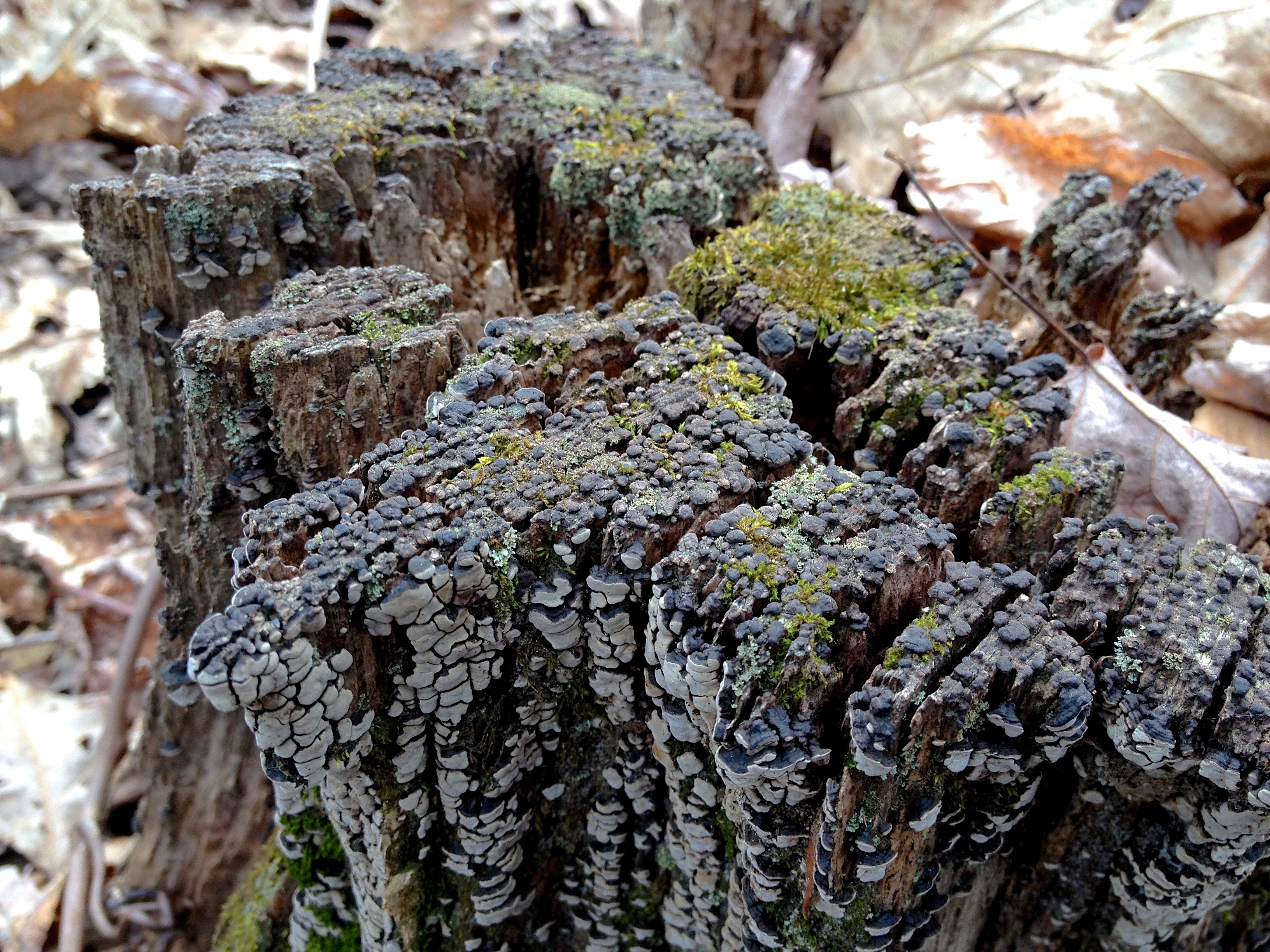
Often when I have too much going on, I find myself stumped about what to say. More often than not, I turn to poking my head around in my photo library to find things to post. Happily, this weekend was a photo-heavy one. Among the activities of the weekend, we went for a post egg-hunt walk around the wilds of our backyard. Among the many and varied things of the tree and rock persuasion, I found this one stump, which I found completely enthralling. Viewed from above, you can see that it has distinct regions, showing varying degrees of rotting, different patterns of cracking, and as a variety of growths of moss and fungus.

I liked the shapes made by the rather heart-shaped black section, nestled up with the disc of moss-covered sectionl

When viewed from the side, the green mossy section looked like a scale model version of a grass-topped cliff.

I find the textures and patterns of the black and white fungus growing on the side to be very striking.

Still another section showed more cliffs and spires, this time rounded off a bit by the fungus.

I’m seriously considering going back and seeing if there were other interesting things going on with that stump that I missed.