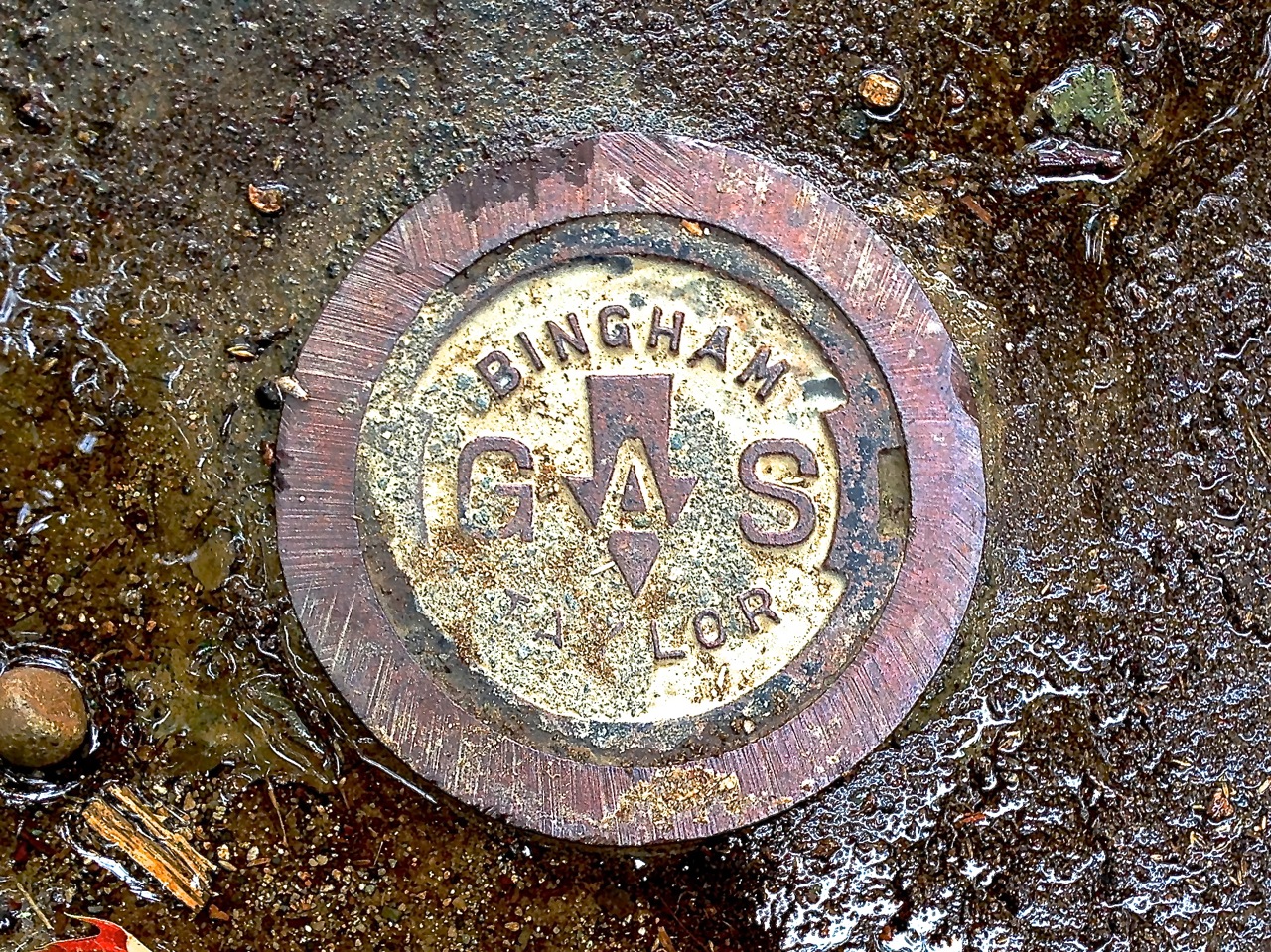
gas

Here are 4 photos I’ve taken on different days in recent years.

I realized in posting these photos that I’m not entirely sure what to call the things in the photos. They are not unlike manhole covers, but the holes that they cover are not man-sized. They are significantly smaller, perhaps 8 or 10 inches in diameter. Definitely too small to fit a man. Perhaps a slender gnome could fit, in which case they could be gnomehole covers.

access denied

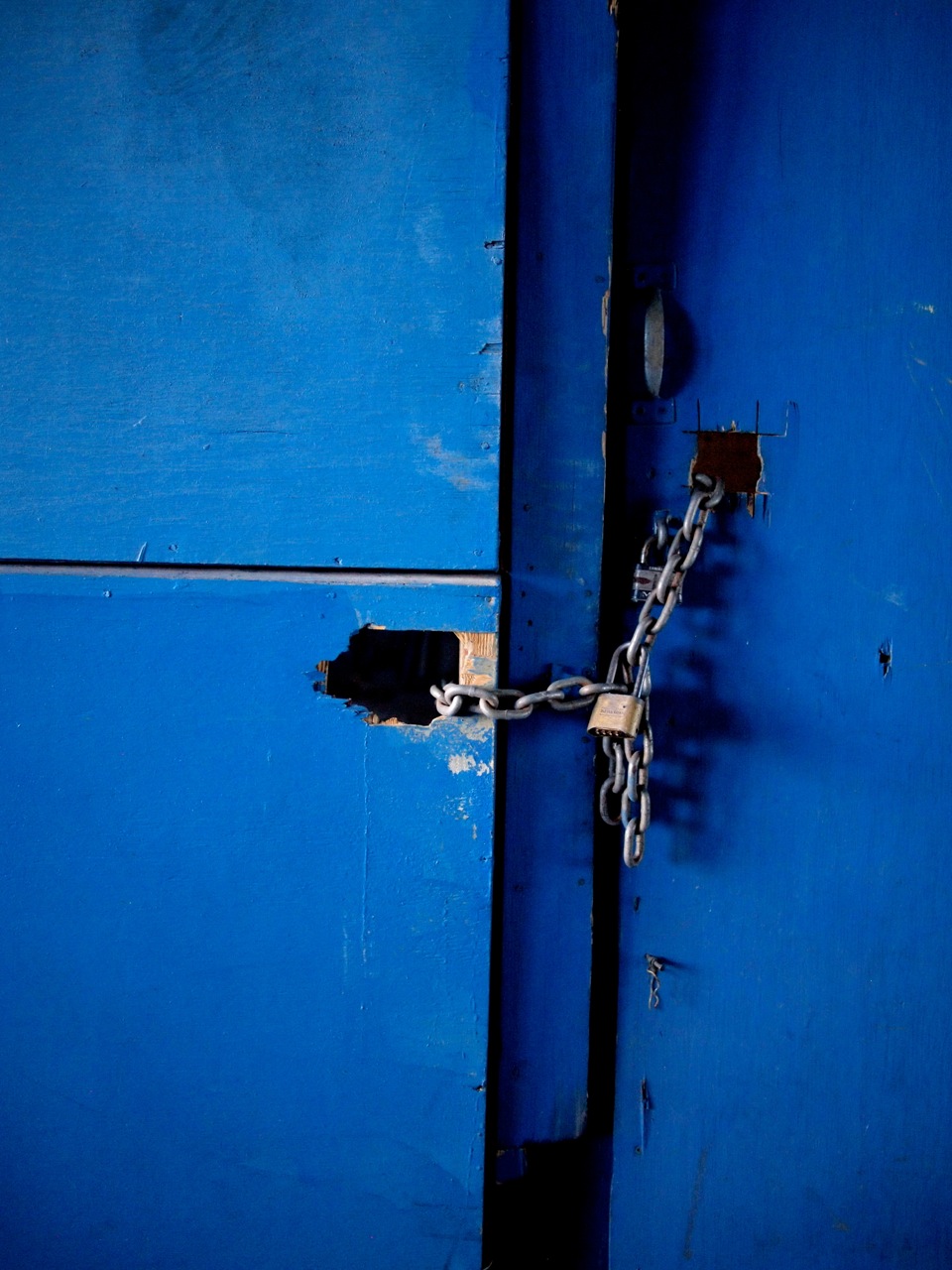
I’m feeling rather obstructed in my progress these days. Here are 4 photos of gates and doors that I couldn’t get through.


September, 2009. Sevilla, Spain.


August, 2011. Macau.


March, 2012. New York, NY.


August, 2012. Massachusetts.

Clearly, I am able to attach significance to these bits of metal (unlike those of 2 days ago). Also, I do seem to get around, even when I’m not getting through…

The Form of Shame

Two years ago, in a mad rush of research-fueled productivity, I submitted a paper to a major conference in my field. It was a big accomplishment for me, as while I had co-authored a variety of papers on group research projects, this was the first such paper that really felt like my own. The web form by which I submitted the paper asked the usual information about my name, address and institutional affiliation that you might expect. It also asked a little question, “is the first author of the paper a student,” along with an explanation that student first authors would be eligible to be considered for a “best student paper award.” It had the additional caveat that students needed to be “full time students.” In my grad program, as in many others, we typically register as part-time students, but we can additionally be certified as full-time if we meet certain criteria, based on work load. While I was no longer taking classes, I was considered full-time by the university for my funding as a research assistant. So in submitting my paper, I checked the little box saying I was a student. I thought to myself that I should remember to officially change my status to “full time” when registering for the following semester. Then, as you might imagine, I promptly forgot about it.

Fast forward to the following Spring semester. I received notification that my paper had been accepted to the conference. Further, it had been accepted for a talk (rather than a poster), which is actually kind of a big deal for this particular conference, as they don’t have parallel sessions for talks. I had gotten really quite glowing reviews. I was thrilled. I felt validated! Successful! Like I was really making progress! Maybe I’d even win a prize!

And then I remembered the eligibility for the “best student paper” award. I was registered as part time. Crap.

I did some investigating and learned that it might still be possible to have my registration status changed, even though the semester had begun. I contacted some people and submitted the required “full-time certification” form.

And that was when I appeared to have awakened the dragon.

My late-arriving form got the attention of someone in the grad school office who apparently enjoys her job very much. She informed me that I had exceeded the time limit for my degree and would need to petition the graduate school in order to change my status, and in order to continue with my graduate studies. I had vaguely been aware of this process, but most friends I had from the program had not had to go through it, even though they had also exceeded the official time limits. They had somehow managed to fly under the radar. I, however, blithely skipped into the radar screen covered in flashing lights and a “kick me” sign stuck to my back.

And so it was that I first encountered The Form of Shame.¹ This innocuous-looking one-page document requires one to lay out each of the requirements of the degree, and list the dates for each of those that have been completed, and give agonizing detail and “expected completion dates” for those that aren’t done yet. When one’s progress through graduate school has been Slower Than Anticipated, such a form feels an awful lot like a big punch in the gut.

After spending a day or two in the fetal position, I pulled myself together and moved into action. I spent several days tying up loose ends for some requirements, and chasing down signatures. After various setbacks and more unanticipated hoops to jump through (including, at one point, being told by the same gleeful bureaucrat whose attentions I had first caught, that “the form had not yet been received at her office,” in spite of me having walked it there myself and handed it to the receptionist several days previously), I was eventually notified that my petition for a time extension had been granted until early 2014. After more setbacks and explosions of my head, I was finally informed that I was officially a full-time student. I received this news 2 days after I presented my talk in Shanghai. In all, the time from my first submitting the request to change of status to actually being granted this change was 2 full months. Over those months, there were dozens of emails sent, dozens of hours spent dealing with formalities, and immeasurable amounts of stress added to my efforts to actually do the work that would eventually lead to me getting the damn degree.

Fast forward to Friday, when I cheerfully dropped of my registration form for next semester at the graduate school office after spending a day running subjects on some new experiments. (You know, work that I’m supposed to be doing for my degree.) Feeling self-satisfied with both my research progress and having gotten some administrative hassles out of the way, I treated myself to a coffee from my favorite coffee shop before returning to my car for the long drive home. By the time I got back to my car, a quick peek at my phone revealed an email from someone whose name looked slightly familiar…

And so it begins again. As it turns out, the extension for time for my degree does not extend into next semester, and my registration cannot be processed until I once more submit the Form of Shame.

It gives me some degree of satisfaction to imagine the words of the email from this individual in the voice of Principal Snyder³. While I recognize that she is almost certainly “just doing her job,” I also can’t help but feel that she takes a certain pleasure in doing so.


¹ Not the official name of the form. The actual official form name is “Documentation to Justify Your Sorry Existence as A Delinquent Graduate Student.”²
² Maybe that’s not the name, either.
³ The principal from Buffy the Vampire Slayer who so relished the thought of keeping Buffy out of school:

Principal Snyder: I have not only the right, but also a nearly physical sensation of pleasure at the thought of keeping her out of school. I’d describe myself as tingly.

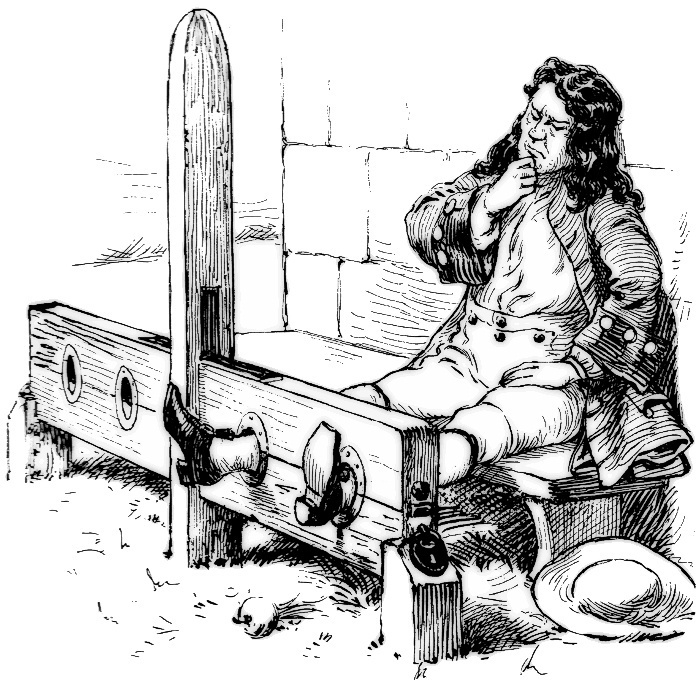
Image of stocks is a public domain image from wpclipart.com.

life spilling up through the cracks (friday foto finder: grass)

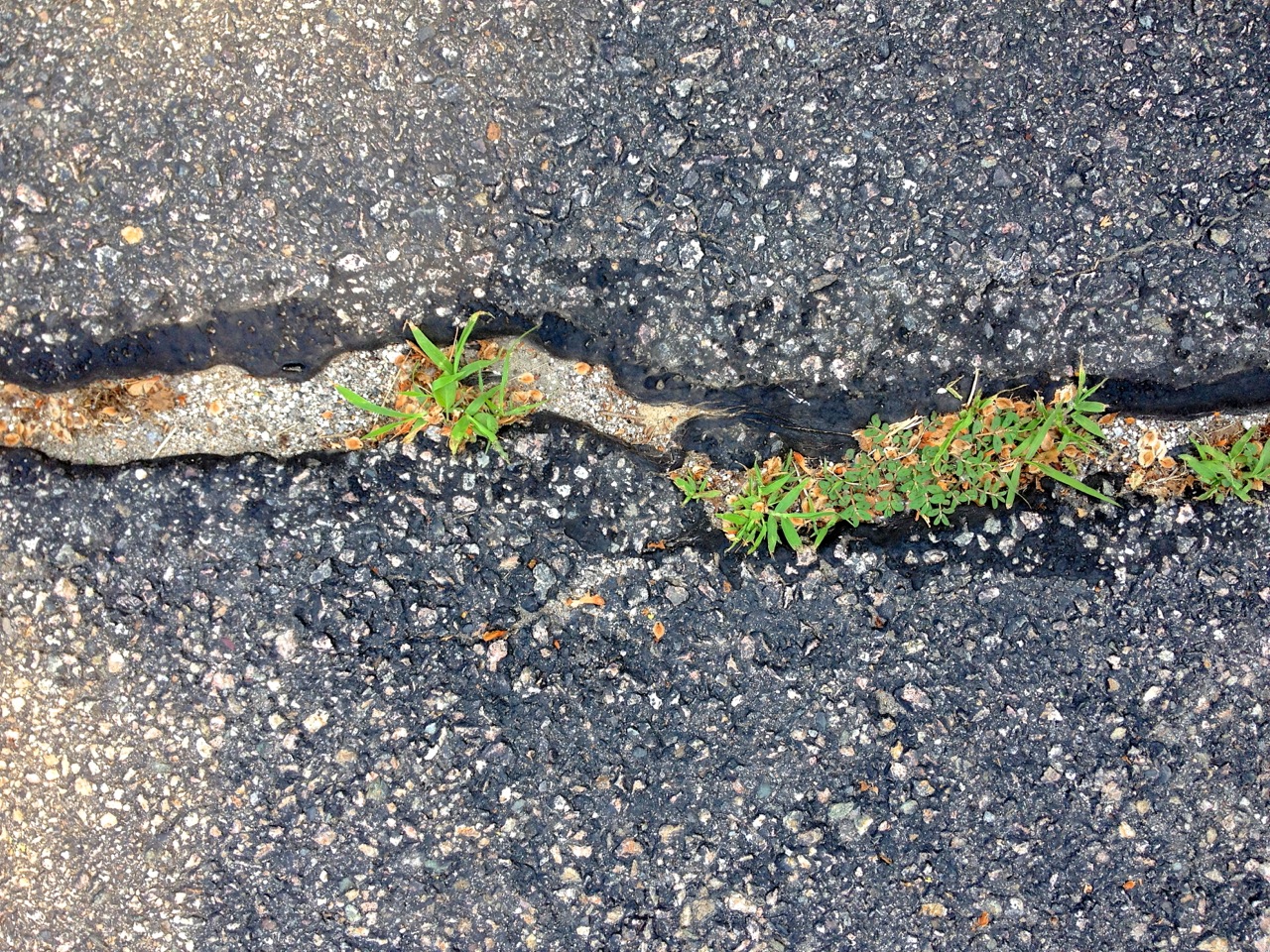
This week’s friday foto finder challenge is to find photos to share of grass. People plant a lot of grass where I live, and invest a lot of resources into keeping lawns looking neat and green. For the most part, though, I don’t find it very interesting to look at. Here is some grass that planted itself in a parking lot somewhere, which I found much more compelling.

To find out whether the grass is green on the other blogs, pay a visit to the fff blog.
fff 200x602

leaves of late fall

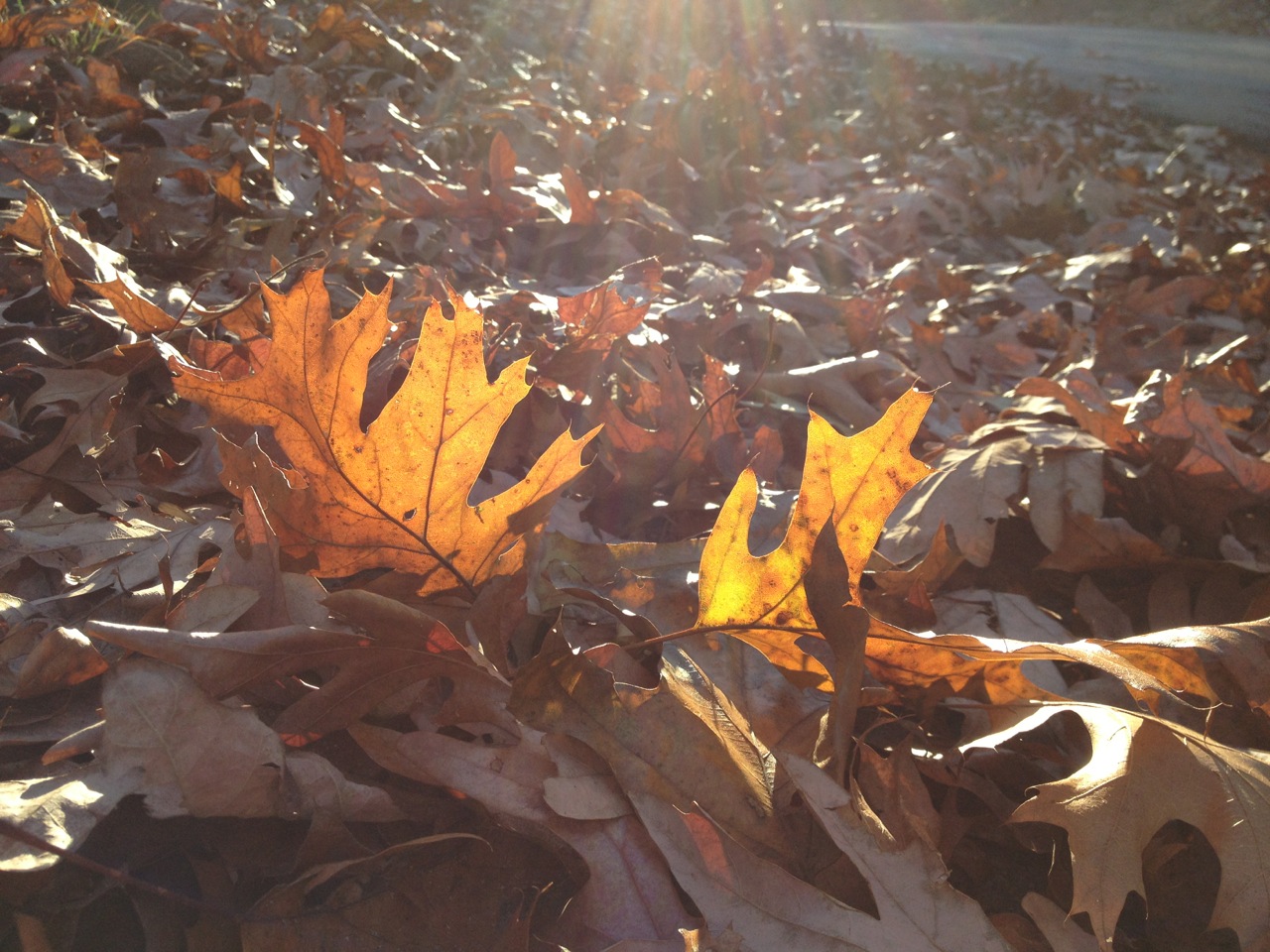
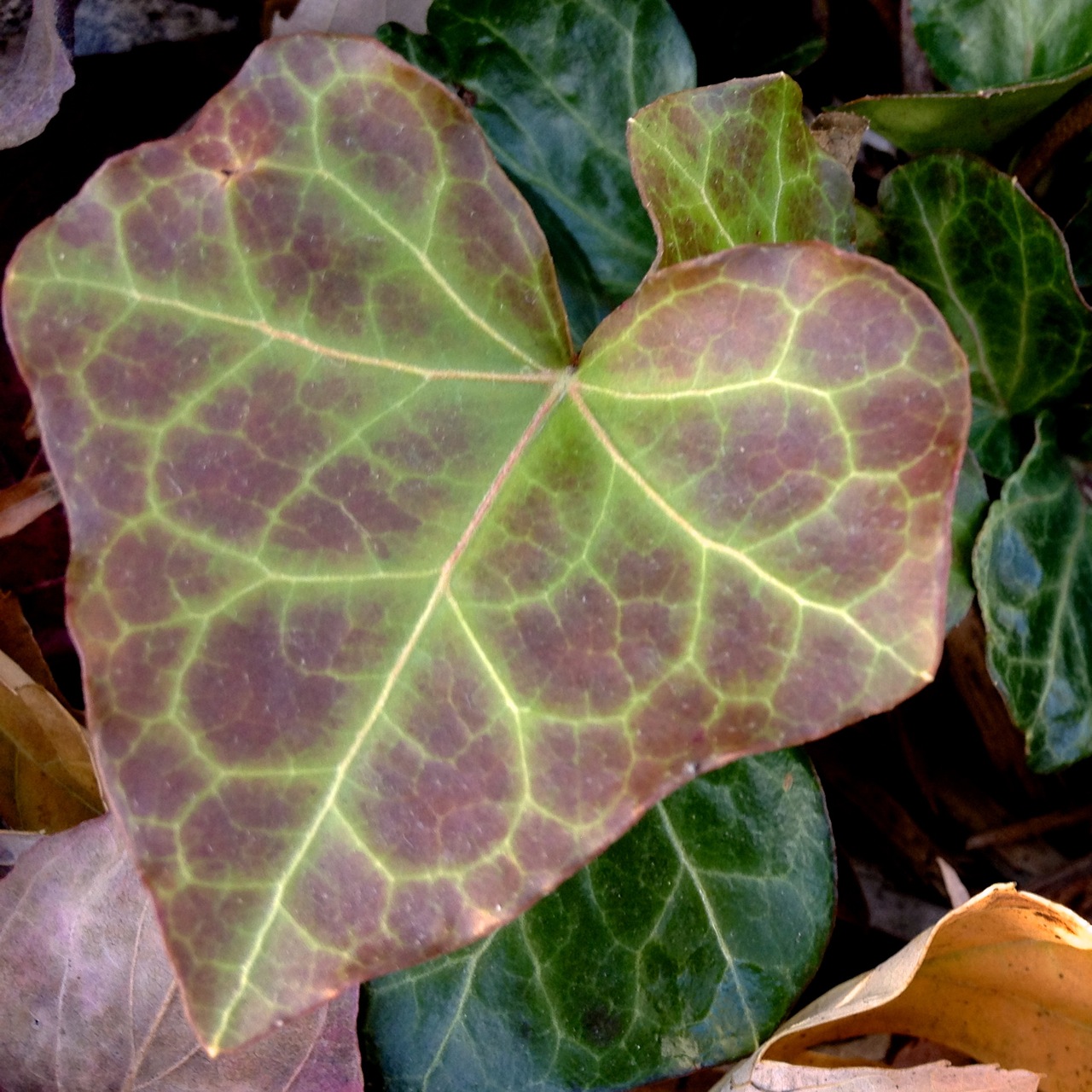
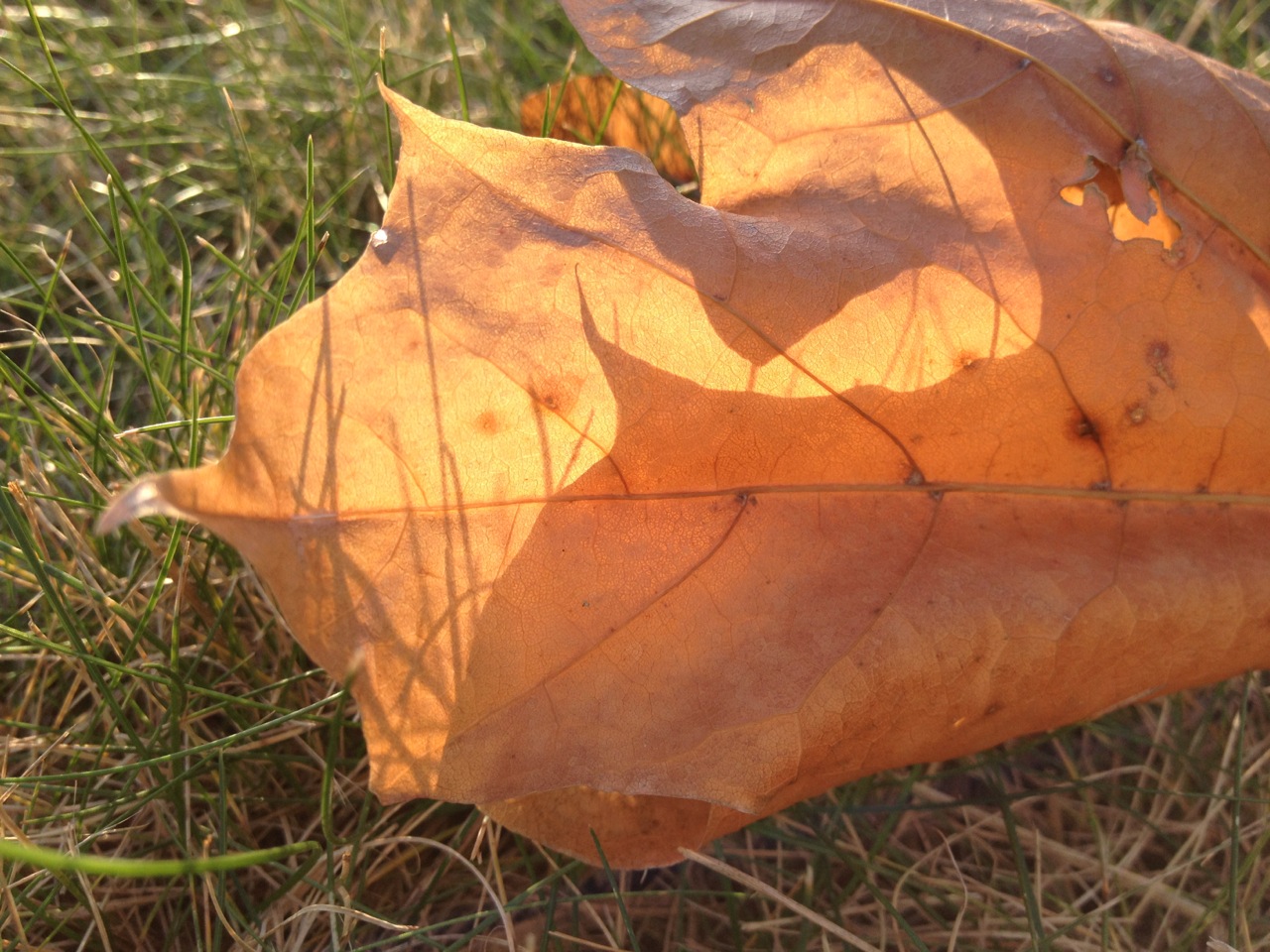
As we head into November, there are fewer leaves to be seen on the trees, but still plenty on the ground. While mostly not as flashy as the leaves of October, these late-fallen leaves still attract my eyes (and my camera lens). Before we know it, the leaves left on the ground will be buried under layers of dirt and snow, and once they reappear, they’ll be more of a soggy squishy mess.


Fallen oak leaves catching some afternoon rays.


These maple leaves at my mother-in-law’s house have twisted and curled themselves in ways that play with the light and shadows.


This (still-attached) ivy leaf seems quite heart-like to me, and I also liked it’s purple and green patterning.


I don’t know what sort of leaf this is, but it glowed nicely in the sun.


I enjoyed the way the blades of grass cast shadows on this curled maple leaf.


And here’s one late splash of flamboyant color: a Japanese maple leaf I encountered in a parking lot.

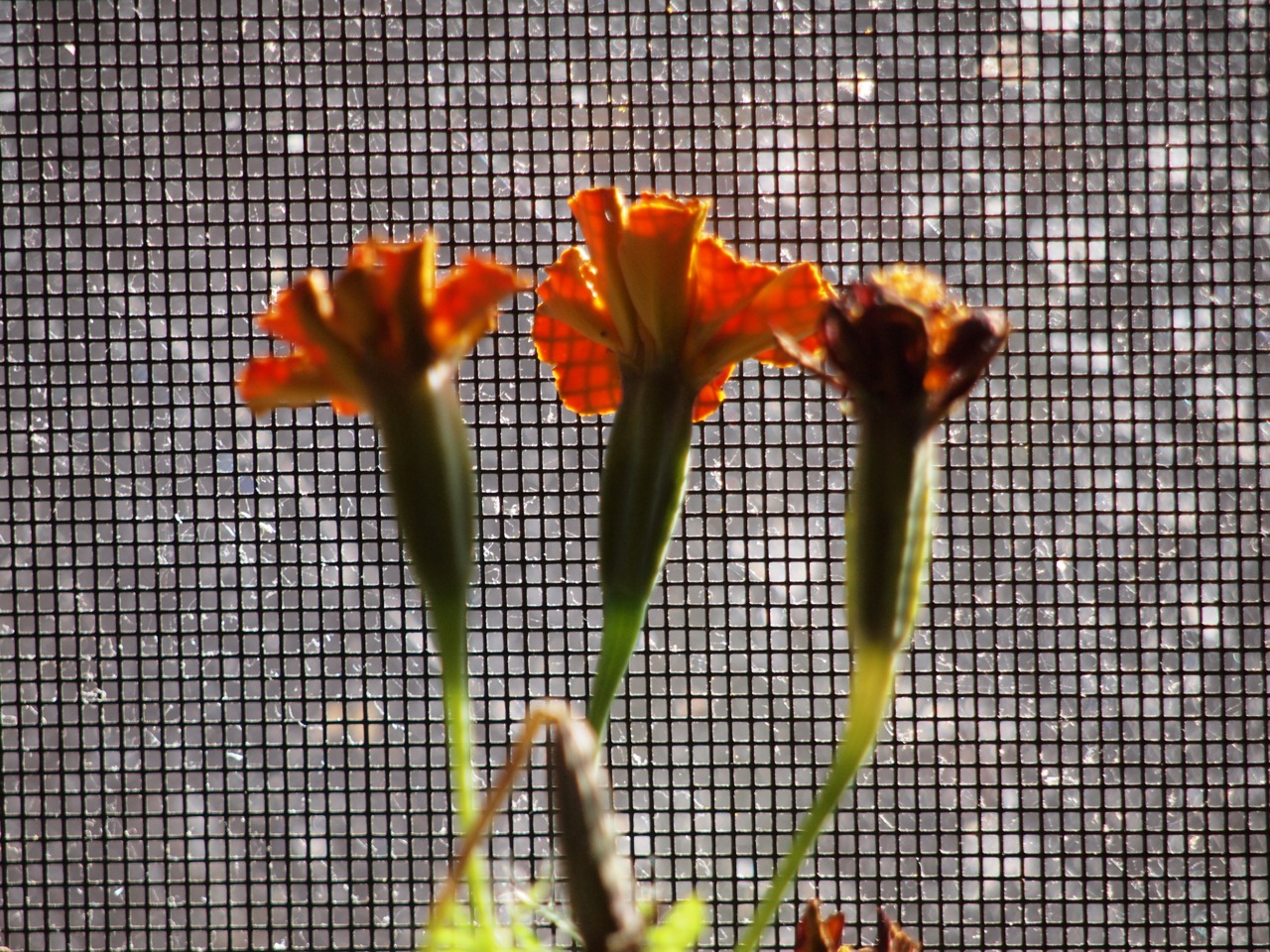
screened flowers

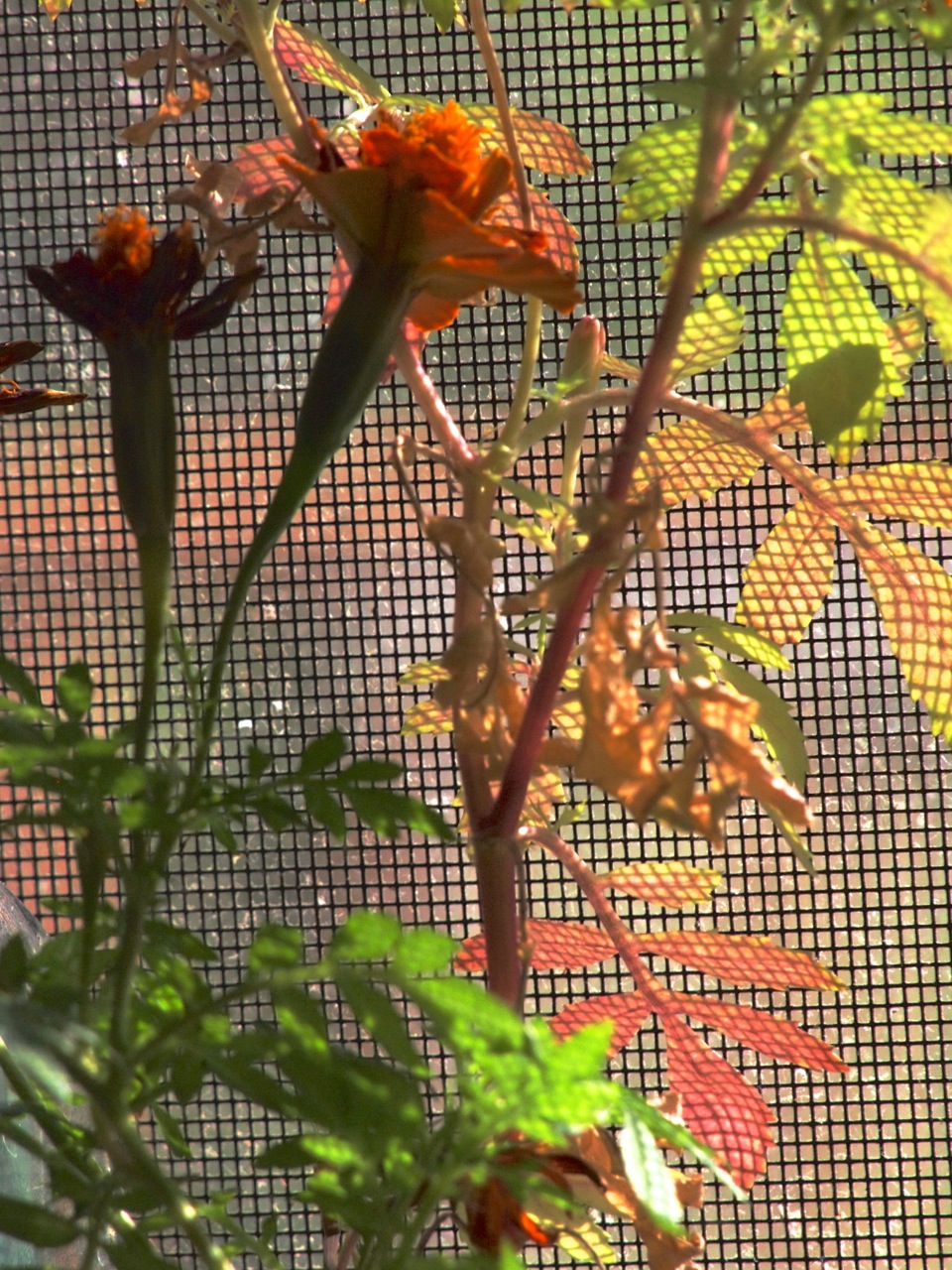
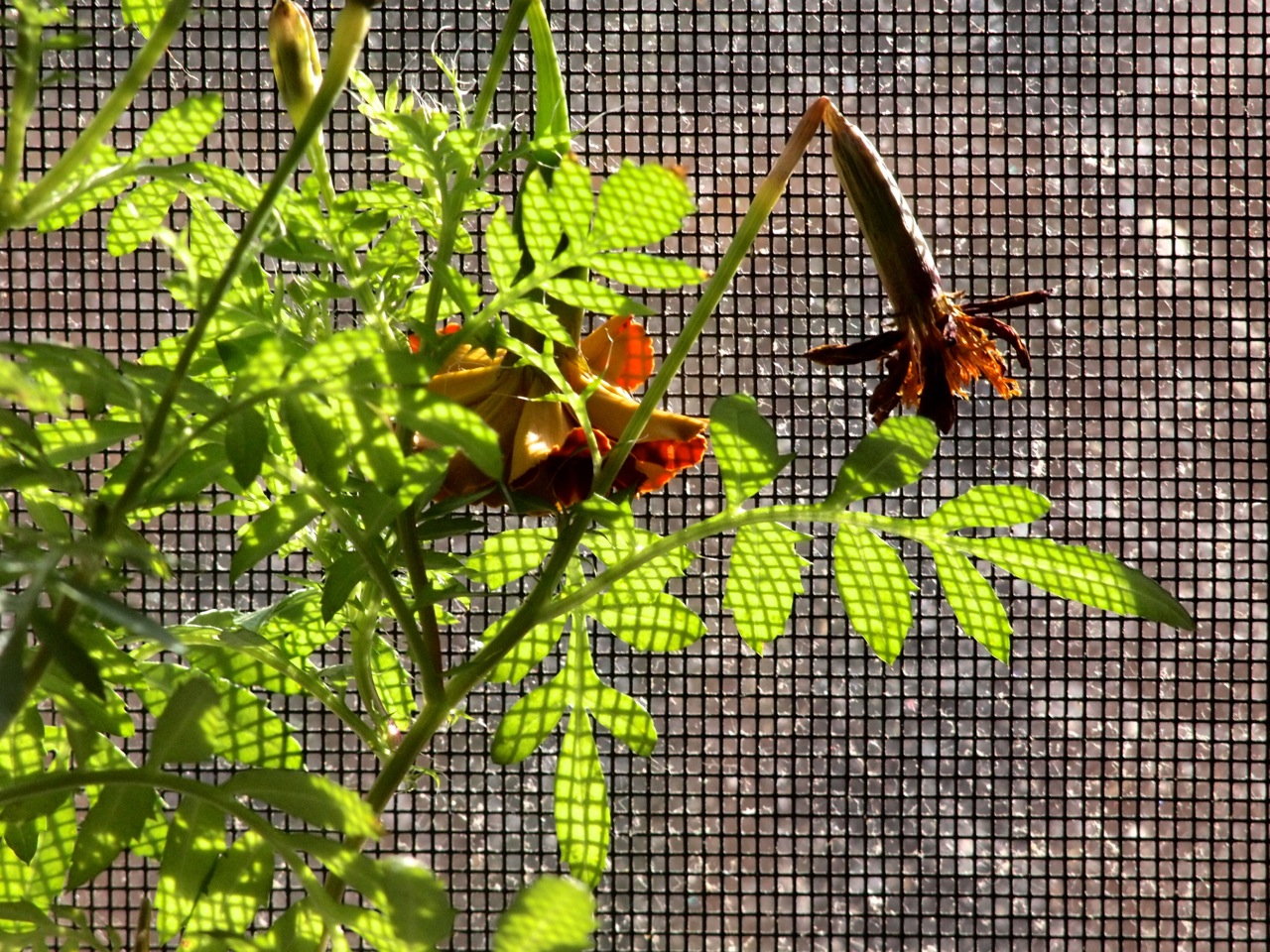
Late this morning, as I went to the kitchen to get a cup of tea, my eyes were caught by the glow of bright colors from the window. Theo had planted some seeds as part of a project in his pre-K class, and they grew into some marigold flowers. Most amazing to me is that John has been watering them, and they not only grew into plants, but are still alive these many weeks and even months later. This is especially remarkable because the only plants that have historically stayed alive in this house have originated in neglected vegetables.

In any case, it was not the survival of the plants that caught my attention, but the interesting patterns produced by the sunlight coming through the screen, casting shadows across the unexpectedly colorful dying leaves and shriveling blooms. I love the warped grid pattern that emerged on so many of the leaves and petals.

I went for my camera, as I knew the light and focus would be too tricky for my phone. I wanted to capture the glow of the plant, and the strikingly patterned leaves, so this was a job for manual focus.

Even with manual focus, it was tricky, but I enjoyed looking through the results.

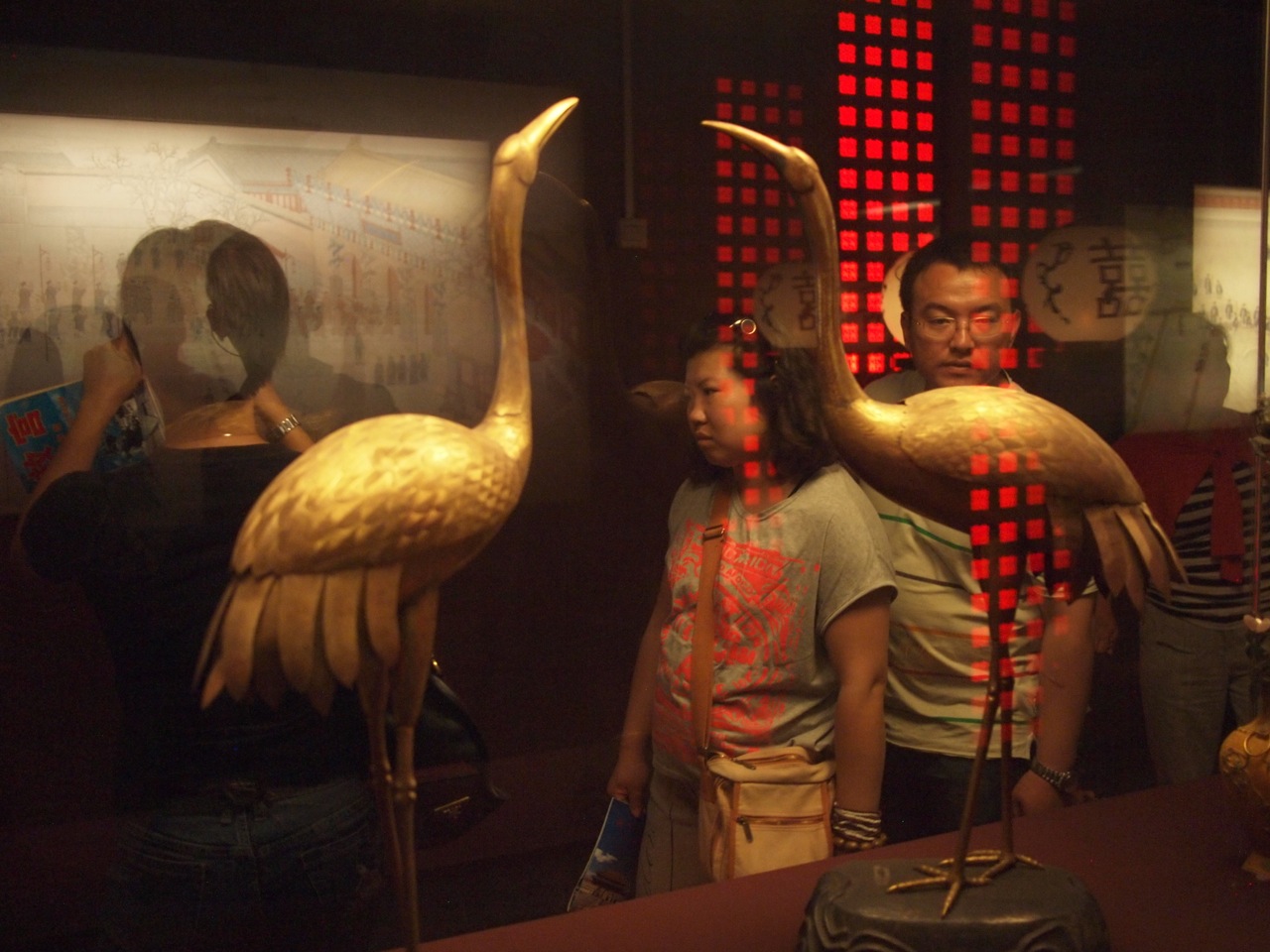
golden cranes in the Forbidden City

This was a photo from my May, 2012 trip to mainland China. I was in Beijing ever-so-briefly, and made a mad dash through the Forbidden City on a morning before catching the train to Shanghai for my conference. This was inside one of the many museums within the walls of the Forbidden City housing antiquities and other national treasures. I spied these two golden cranes in a display case, which fit nicely into my running crane theme¹ inspired by Friday’s foto finder theme of crane. (Of course, the cranes, while beautiful, are not what I found most interesting about the photo. I like the confusing layers of of light and reflections. Not to mention the expressions on the faces of the two other tourists behind the cranes’ display case.)

Once again, I am reminded of how little I have shared from that trip on this blog. I took hundreds of photos, and have many story I want to tell.


¹ The theme is doing the running, not the cranes. To my knowledge, I have no photos of running cranes. I’m not even sure whether they do run.

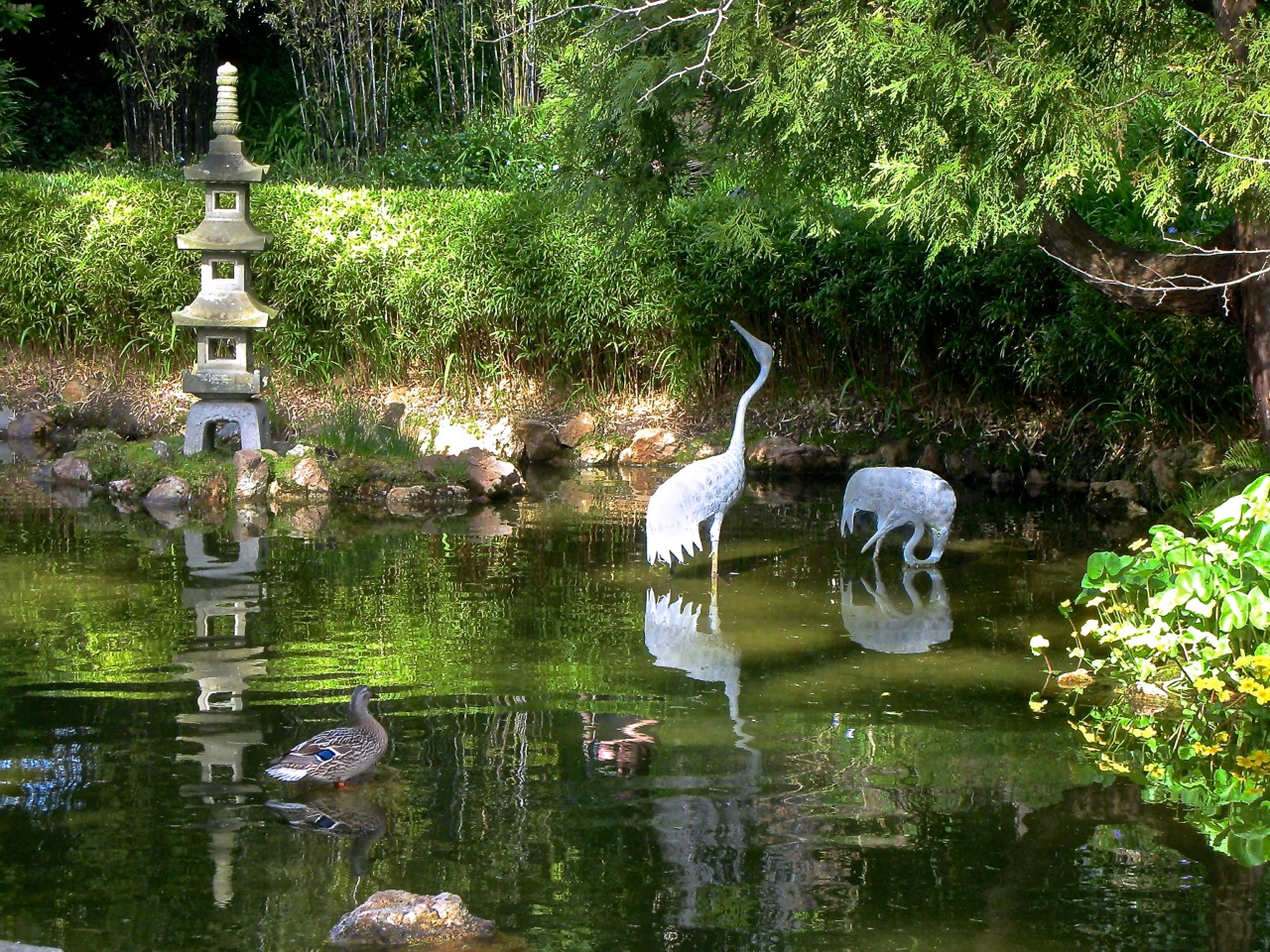
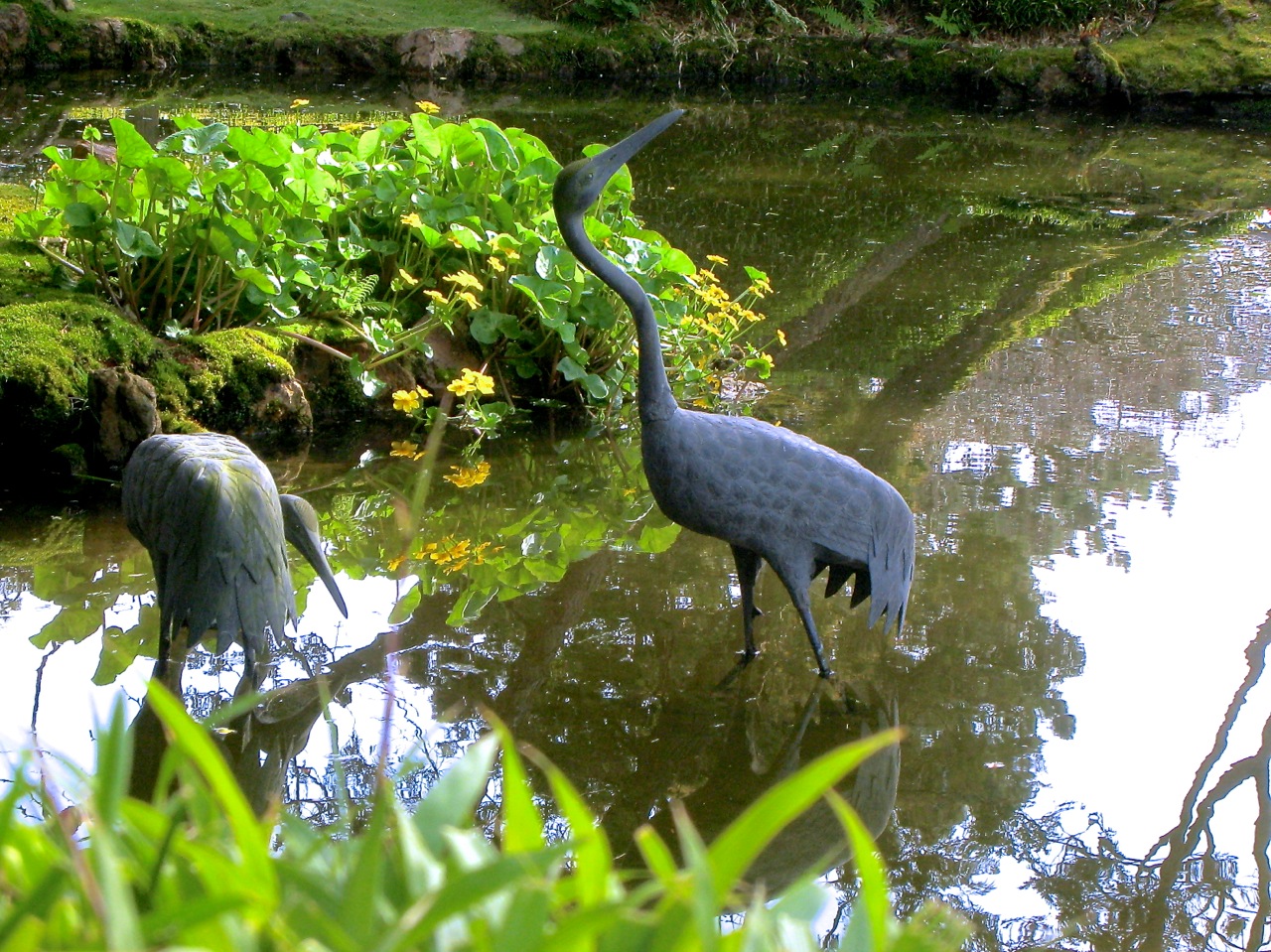
elegant metal cranes

With Friday’s foto finder theme of “crane,” there was much talk of feathered vs. metal cranes. I shared some feathery cranes, and Archie, bel and az each shared some interesting photos of cranes of the metal construction variety. But in the quest for cranes in my photo library, I discovered that I had some photos of cranes that were both of the bird variety, and made of metal.

These feathered metal cranes can be found in the koi pond of the Japanese Tea Garden in Golden Gate Park in San Francisco.

I realized in posting this that I have shared quite a few photos from the Japanese Tea Garden in Golden Gate Park, and from the same visit there in 2009, even: koi, exclamation points in the wild, and a sign reading “keep on path.” I even posted a twisted tree that, while not in the tea garden itself, was just around the corner from its entrance. I have photos from other trips there, but it seems that I keep coming back to this one set.

I still quite like these photos, at least in their content and composition, but am otherwise frustrated at quality of them. Back in March of 2009, when I took them, I didn’t yet have my current trusty camera. I used a little point-and-shoot, and happily carried it around for all my pointing-and-shooting needs. Back then, I didn’t know much of anything about white balance and exposure and depth of field, and while I could appreciate looking at a good photo, had no idea how to get one. I look at these two photos, and feel the limits of my post-processing. The greens aren’t quite right, and there are over-exposed bits, and the focus isn’t quite as sharp as I’d like on the parts that I’d like. These days, I’d know to use a smaller aperture (not that I necessarily had that option on my old camera), and would probably have used manual focus, to boot (which I definitely didn’t have on my old camera). It’s an interesting reminder of how much I have learned.