12 twelve things for 12/12/12

Today is December 12th, 2012: The 12th day of the 12th month of the year 2012. Or 12/12/12. How could I resist making a list for such an auspicious day?¹ Here are 12 things featuring 12:⁴

  1. A dozen eggs: the standard number of eggs as they are sold, at least in the US and Great Britain. A standard egg cartons fit 12 eggs. (But they also come in other sizes.)
  2. A dozen roses: probably since they hatch out of eggs, roses are often also sold by the dozen. Rather than being sold in the egg carton packaging, which doesn’t hold up well to the egg sprouting, they are instead sold in bunches, and placed in vases.
  3. Cheaper by the Dozen: A biographical book by Frank Gilbreth about a family with 12 children, and subsequent adaptation to a 1950 movie of the same name. (The 2003 movie of the same name with Steve Martin is not based on that book, but also features a family with 12 children.)
  4. a dime a dozen: an idiom meaning “very commonplace.” As in: Those are nothing special. You can get them a dime a dozen. (Note that eggs, roses, and children all cost much more than a dime.)
  5. 12: the number of jurors on a US trial jury. 12 Angry Men (1957) is a movie about the jury on a murder trial. (Also remade in 1997.)
  6. Twelve Monkeys (1997): A movie directed by Terry Gilliam, and one of my personal favorites. It is not about 12 monkeys serving as jurors on a murder trial. That movie is called Twelve Angry Monkeys, and hasn’t been made. Yet.
  7. 12 days of Christmas: a period of festivities celebrated in many European Christian traditions that begins on December 25th. They are sometimes wrapped up by festivities on the 12th night, also known as Epiphany Eve.
  8. Twelfth Night: a comedy play by William Shakespeare.
  9. 12 step program: a program for addiction recovery.
  10. monklogo

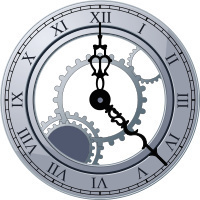
  11. 12-hour clock: the convention of dividing the day into 2 12-hour chunks, a.m. and p.m. As such, 12 is the number of hours on a standard analog clock, and 12-hour digital clocks (as opposed to clocks set for 24 hours). 12:00 (12 o-clock) is noon or midnight.
  12. 12th grade: The final year of the American secondary school system, also called senior year. There are 12 numbered grades in the American school system, plus kindergarten, which isn’t numbered. (There are also 12 grades in many other countries’ school systems.)
  13. Little Twelvetoes: a song from Schoolhouse Rock about aliens with 6 fingers on their hands and 6 toes on their feet, and discussing the implications for counting (namely the use of base 12). The original song/cartooon was from 1973, but I quite like the cover version by Chavez from the 1996 tribute album Schoolhouse Rock! Rocks:


¹ In the past, I made list for 7/7/7, 8/8/8, 9/9/9, and 10/10/10. I celebrated 11/11 on multiple occasions, including 11/11/11

² I didn’t celebrate 6/6/6 with a list, as I didn’t yet have this blog. Like wise for 5/5/5, 4/4/4, 3/3/3/, 2/2/2/, and 1/1/1.³

³ I have to say that this post is the last post that I am likely to post according to this pattern. While I may well choose to make a list of thirteen things, it will almost certainly not be on 13/13/13. Unless, of course, the calendar gets radically restructured next year such that we have a 13th month.

⁴ Really, more than 12, if you want to get picky. But 12 items on my list.⁵

⁵If I have 12 12 things, does that make this list a gross one?⁶

⁶ This footnote is here because I didn’t have room in my list for a foot, which has 12 inches.¹²

¹² And this one is here just to have a footnote 12.

image credits: eggs, roses, clock, 12 Monkeys
mailbox (friday foto finder)

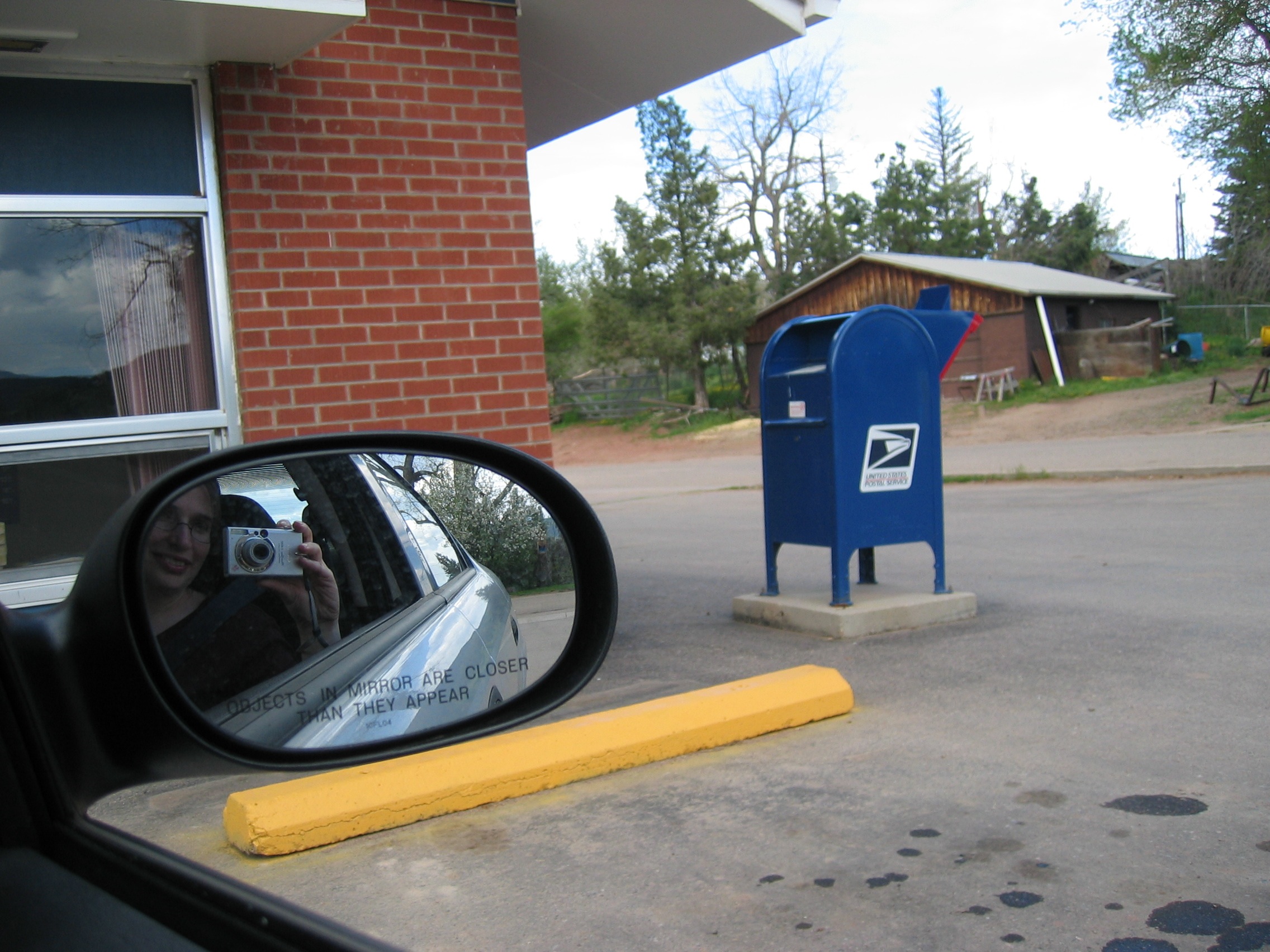
It was bound to happen one of these days. Archie picked a theme for this week’s friday foto finder that is not well represented in my photo library. This week, he chose “mailbox.”

I suppose I could just run outside and snap a photo of our home mailbox, but it’s really not a very interesting one. Instead, I dug out this photo of a standard US mailbox outside the post office in Beulah, Colorado, that I took in 2005. (Perhaps I should disambiguate. I took the photo in 2005. Not the mailbox. I did not take the mailbox in 2005. It would not have fit in my luggage.) Okay, the photo is still not all that interesting. However, it is fun to see what standard mailboxes look like around the world. At this point, I believe that the other participants of friday foto finder are in Europe & Australia.

Actually, I think that the photo below is also of a mailbox, but I don’t entirely remember. I took this one (the photo, silly) in 2010, and if memory serves, it’s the top of a mailbox outside the karate school. In any case, I find the photo more interesting.

To see what other mailboxes people have posted,¹ go check out the friday foto finder blog.

Coincidentally, I just this week came across a collection of photos of mailboxes from around the world at the Postcrossing Facebook page, where Michele, of Voix de Michele, shared a photo of a mailbox in Abu Dhabi.

¹ Ha! Posted!

3 butterflies

Here are 3 butterflies I’ve encountered in the last 3 years.¹


Butterfly in the butterfly garden at the Boston Museum of Science, Boston, MA. June, 2010.


Butterfly on a window, in The Butterfly Pavilion outside Denver, CO. April, 2011.


In the wild on the grounds of the De Cordova Museum, Lincoln, MA. August, 2012.

¹ I don’t come across butterflies in the wild nearly as often as YTSL of Webs of Significance, whose photos of her hikes around Hong Kong regularly include butterflies (among her other critter sightings).²
² I looked back at my photos from the hike we had together when I visited Hong Kong in August of 2011, but it would seem that I found no butterflies that day!

I actually miss posting every day.

30 posts had November. NaBloPoMo came and went this year, and I hardly whined about posting at all. Well, there was that brief bit in the middle. And maybe I’m forgetting some whining. Mostly, though, it felt like the posts flowed.

I posted a lot of photos, both old and new, thanks in part to participating in friday foto finder. (I do love me a theme.) I got on a roll with the tomatoes, and had quicker flings with baskets and doors. (I do love me a theme.) Fall offered up a host of pretty leaves to share, and even some snow. I celebrated the 6th birthday of my blog with pants, which are always a comfy fit. I had some things to say relating to the US election, and to the Sandy recovery efforts.

I didn’t even come close to running out of things to say. I even had 2 nearly complete Themed Things Thursday posts that weren’t quite finished enough on the Thursdays for which I’d intended them, and they join the 43 other unfinished ThThTh posts that I’ve poked at now and again. (Those things take a long time to get together, what with the links and the images and the formatting and the commentary. I can whip off a list of things in a few minutes, but without the fleshing out, they aren’t as satisfying to me. But I do love me a theme)

And there are still a number of posts that have been brewing in my head for months, years even, that I’d expected to get around to. Hopefully I still will. (Plus there are all those various promissory notes I’ve left around the internets: things I said I’d post, or write more about, etc. Anyone want to call me on any of those? I respond well to external stimuli…)

This is all to say that I enjoyed the daily blogging, so I was glad I did NaBloPoMo. On the flip side, I had trouble keeping up with the blog reading, even with my much-diminished blogroll, but I’m still planning to catch up.

These are butterflies that Theo and I made one morning when Phoebe was at karate. Theo made his first, and then instructed me to make a bigger mommy butterfly using the same colors and patterns. I didn’t have any particular reason for choosing this photo for this post. Or maybe there were several vague reasons. I’m feeling rather wistful this evening, as today would have been my father’s 91st birthday. Butterflies, for me, symbolize both the ephemerality and continuity of life, especially these, given that they represent 2 generations. And Theo himself is part of that continuity. Also, we’ve had a plethora of lepidoptera, in the form of a weirdly unseasonal profusion of moths around our neighborhood. The laptop symbolizes my laptop, which is now atop my lap. It is also the means by which I post things.

Photos from the Musée D’Orsay (friday foto finder: station)

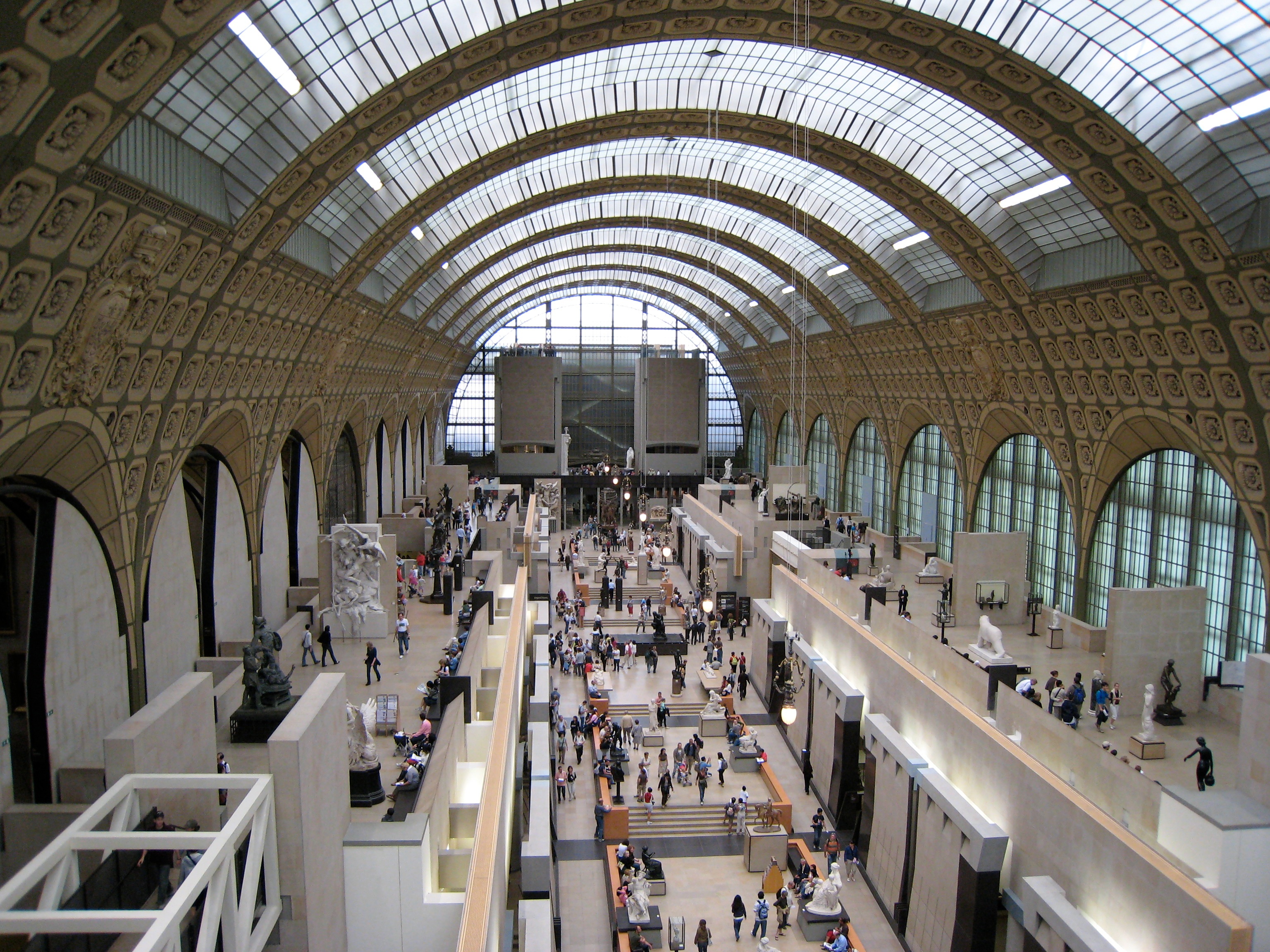
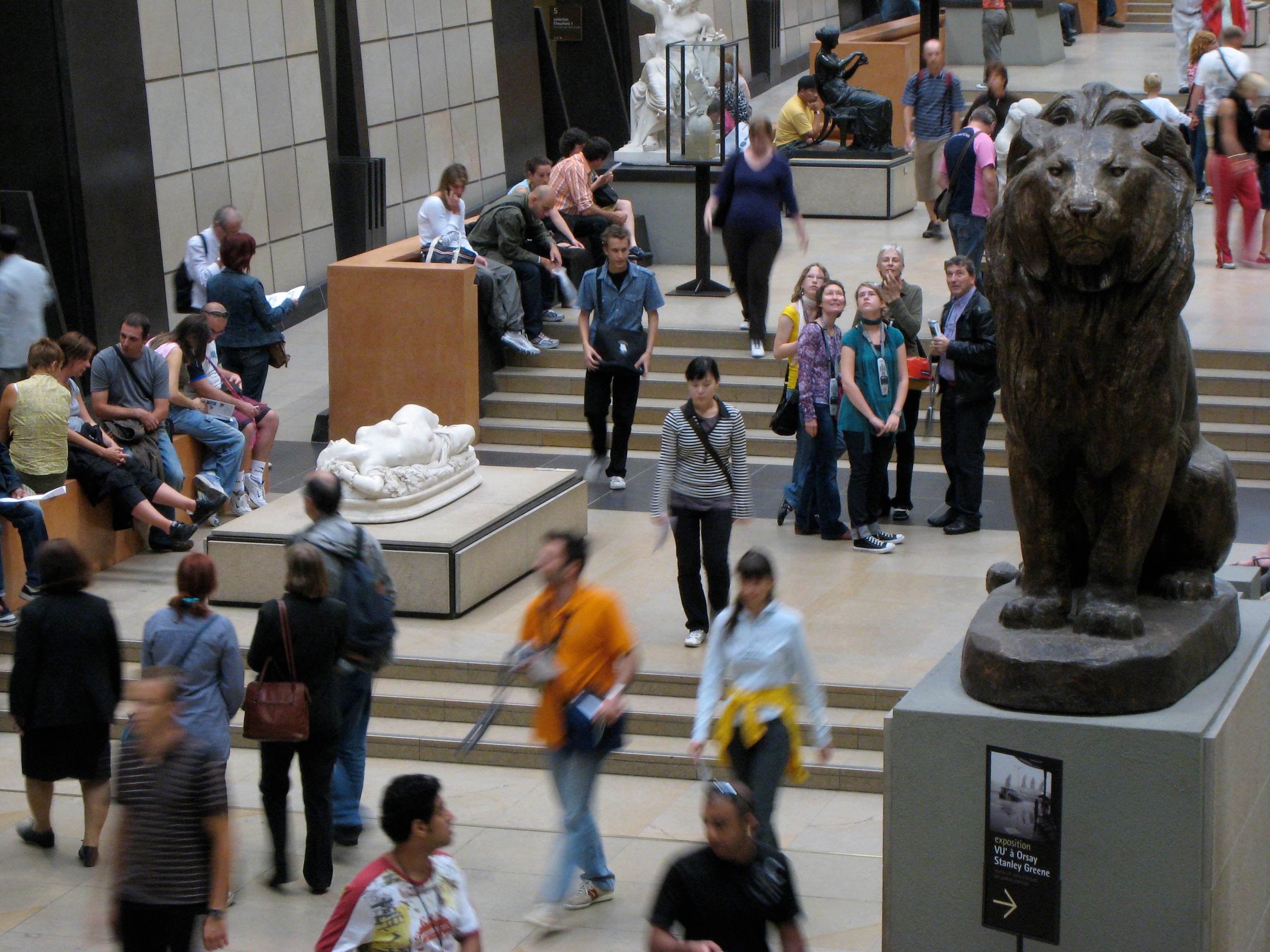
The Musée D’Orsay in Paris is a remarkable building. It was built as a railway station around the turn of the (last) century, but only used as a rail station for a few short decades. The large and impressive building was converted into a large and impressive art museum in the 1980s, and it houses, among other works, a very large and impressive collection of Impressionist and Post-Impressionist masterpieces. (Most of which are impressive, but not very large.)

When we visited Paris in 2007, I made my first visit to this museum. It might seem surprising that I had not been there before, especially given my love of art and the fact that I had lived outside of Paris for 2 years. However, the first year I lived in France was 1980, and the museum would not yet be open for another 6 years. I’m pretty sure I heard of the museum when I lived in Paris again in 1988, and I’m not sure why I never made it there then. I certainly remember going to other museums. (I particularly remember the Rodin Museum and the Orangérie.)

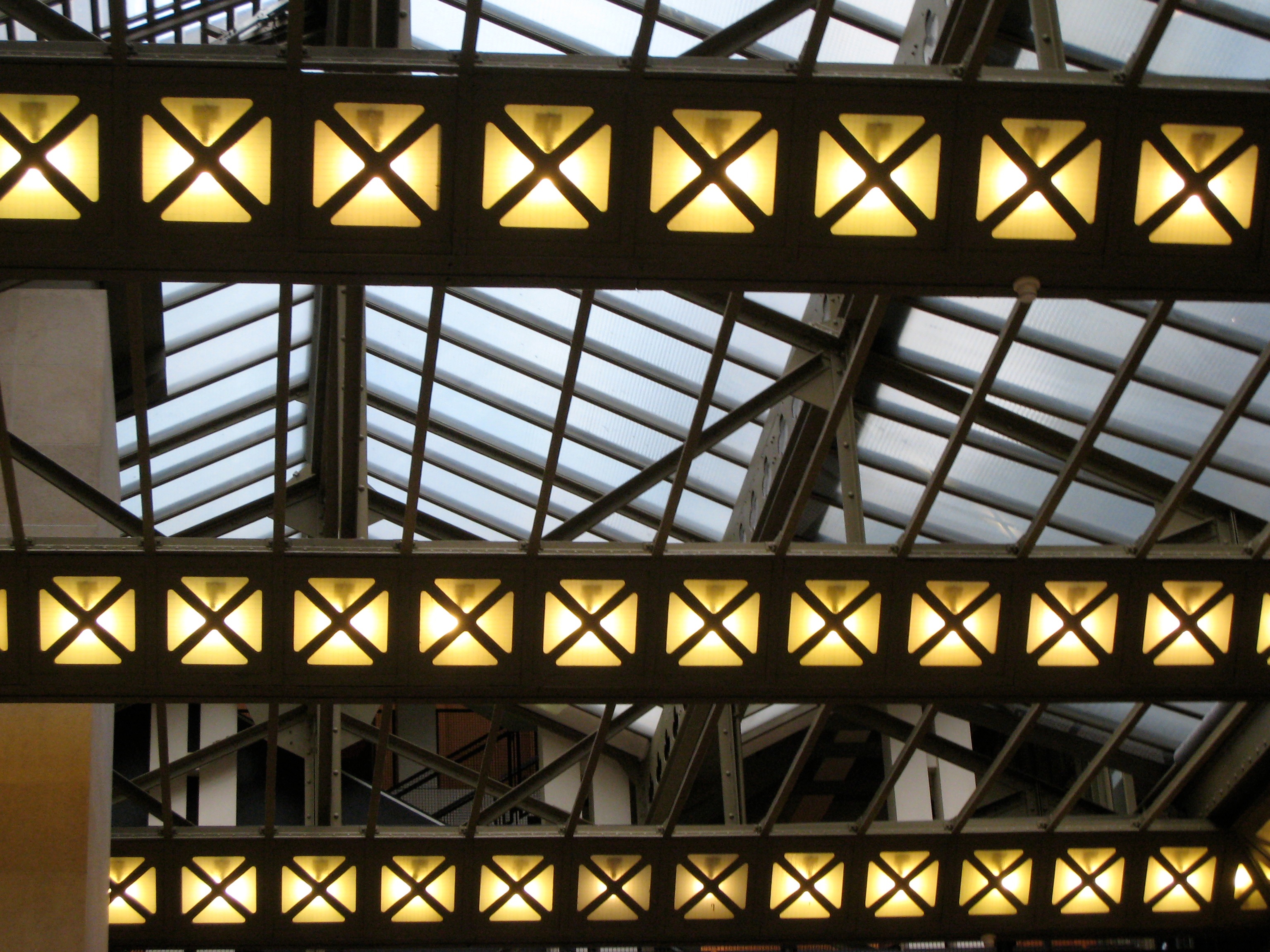
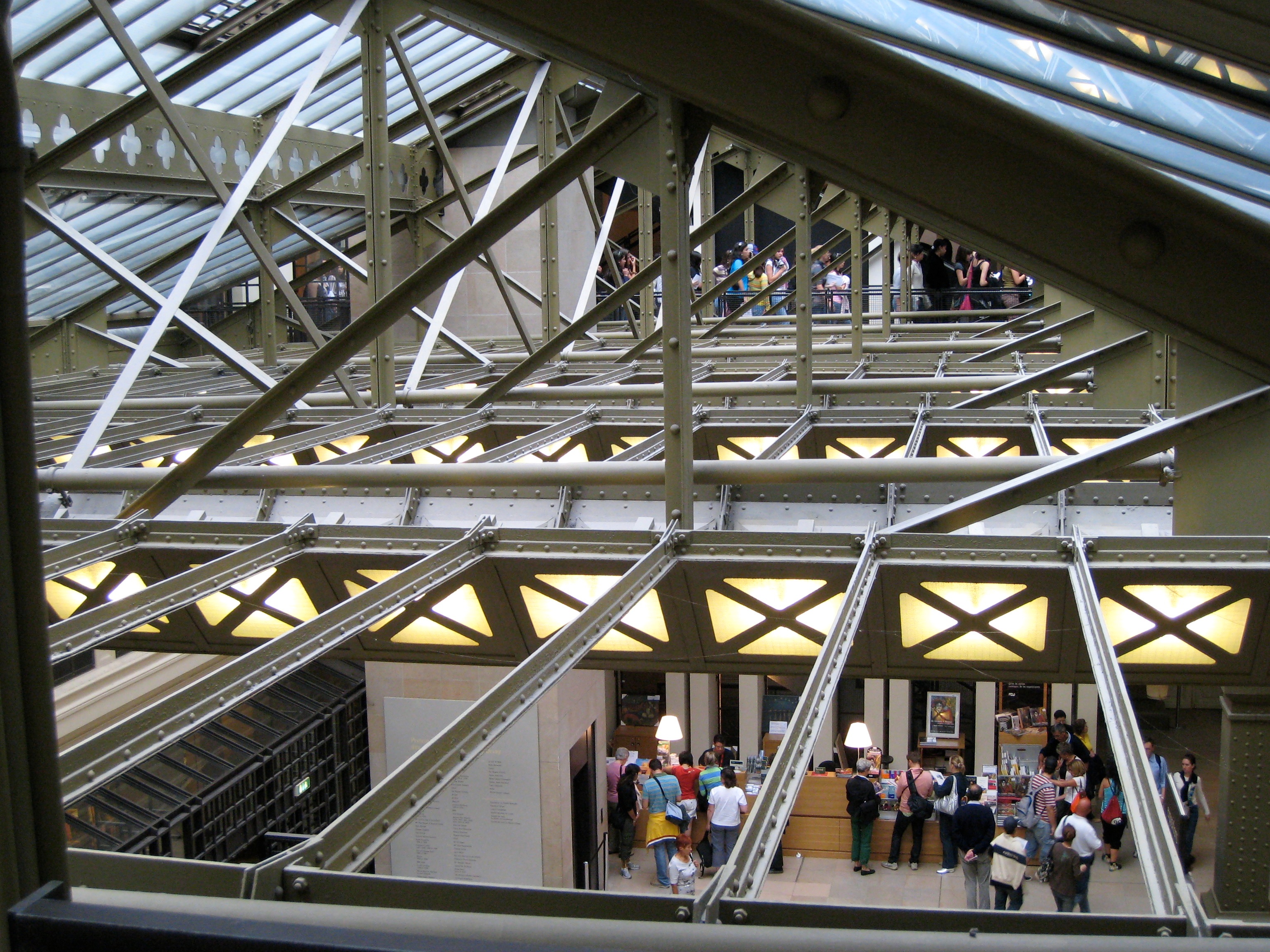
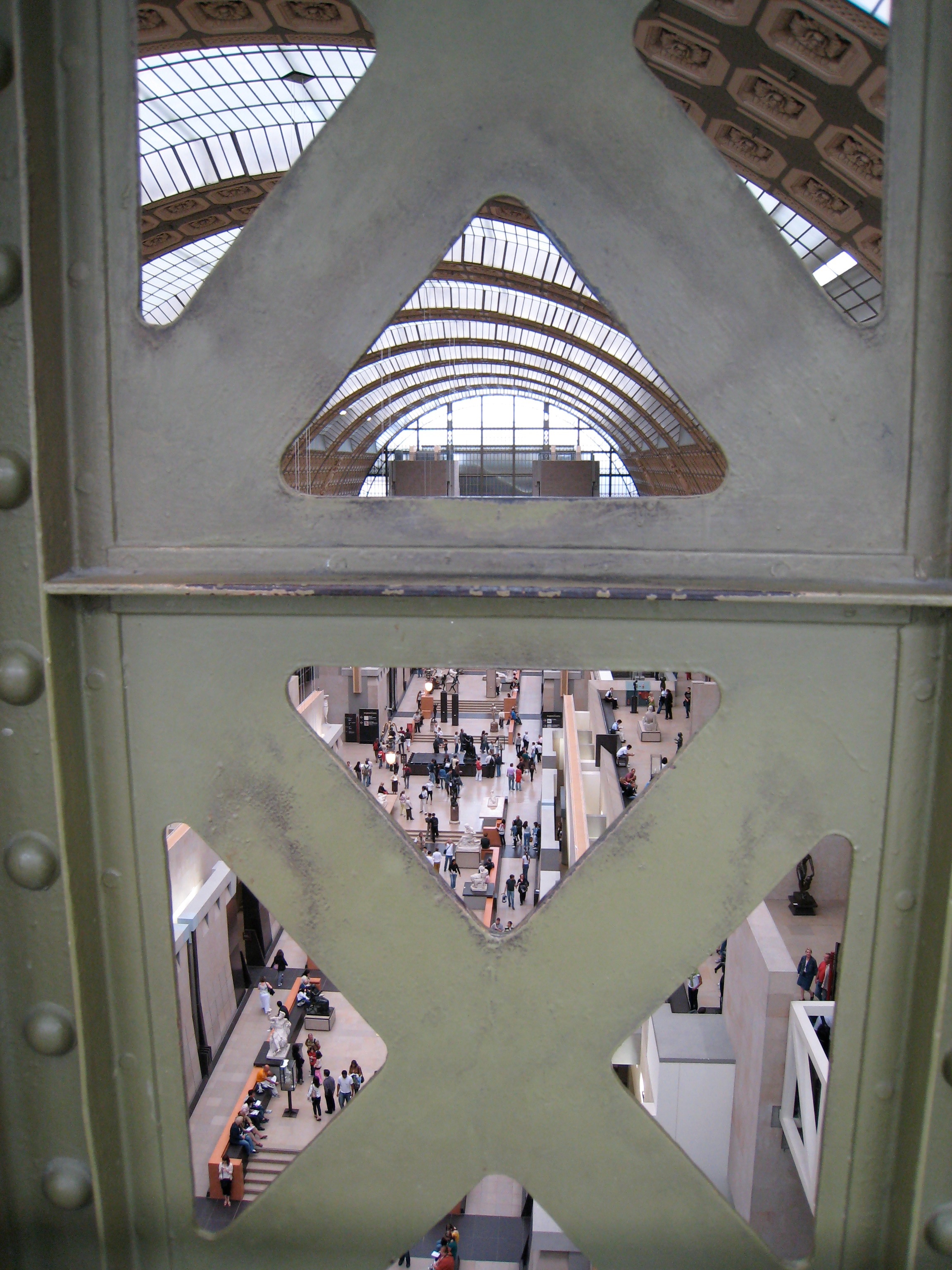
In any case, I was very taken with the museum, as much (if not more) for the building as for the art. I loved the grand arches, interesting use of glass, and many other details.


I love the tunnel-like effect of the main hall.


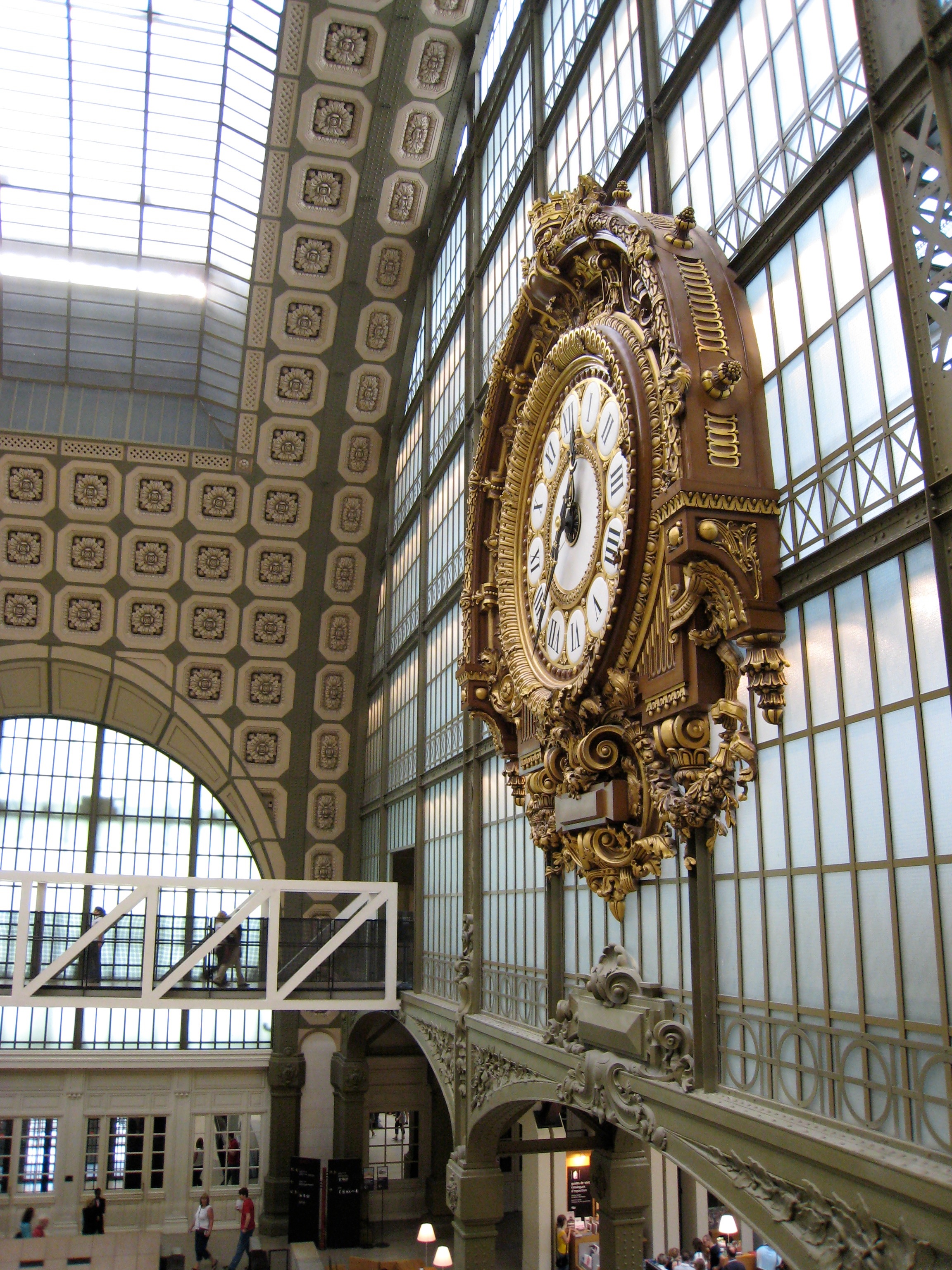
This gigantic clock faces inward.


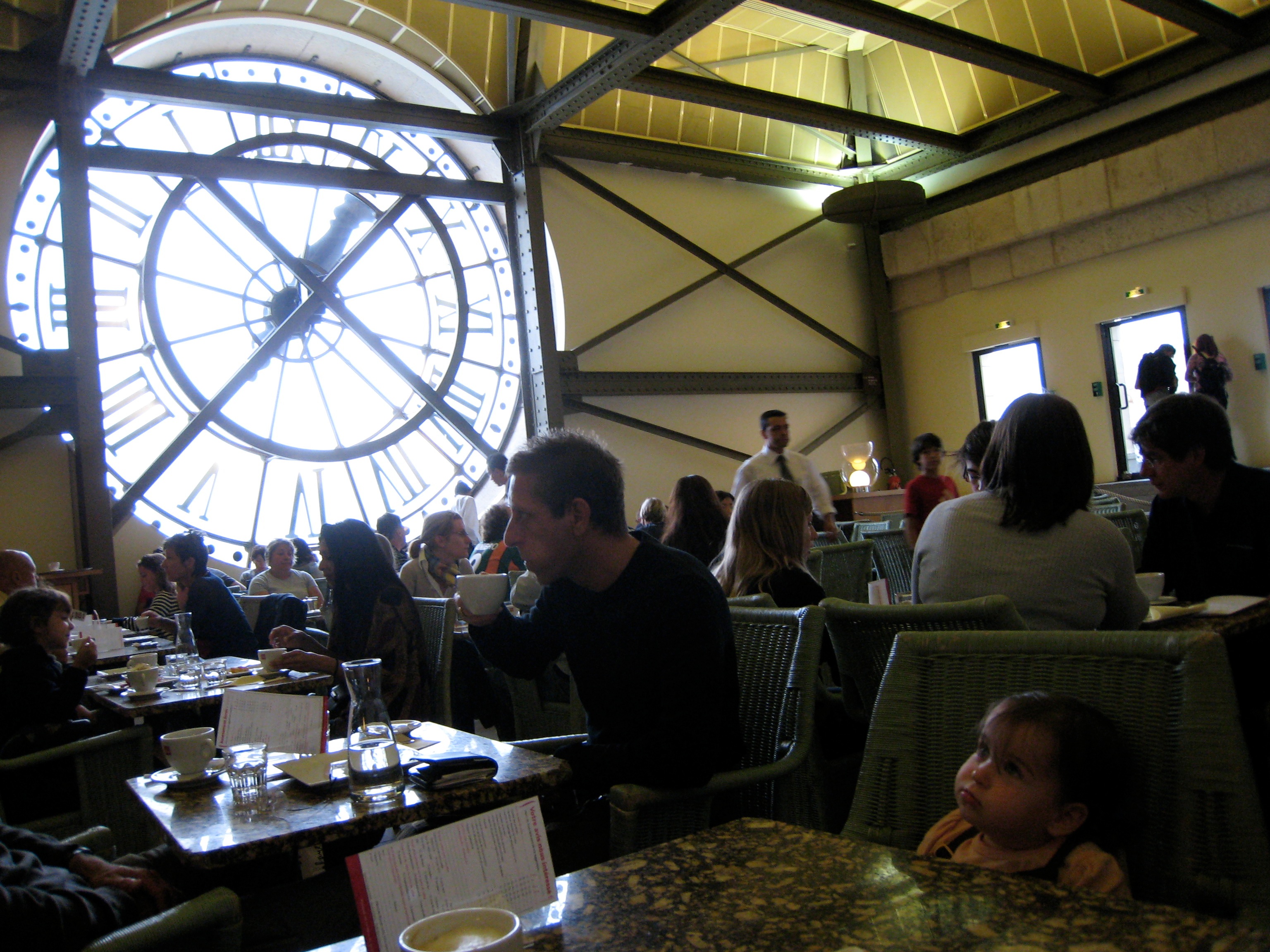
This gigantic clock faces outward, and can be seen from inside the café.


People and sculptures.


Looking up.


Multiple levels.


High vantage point.


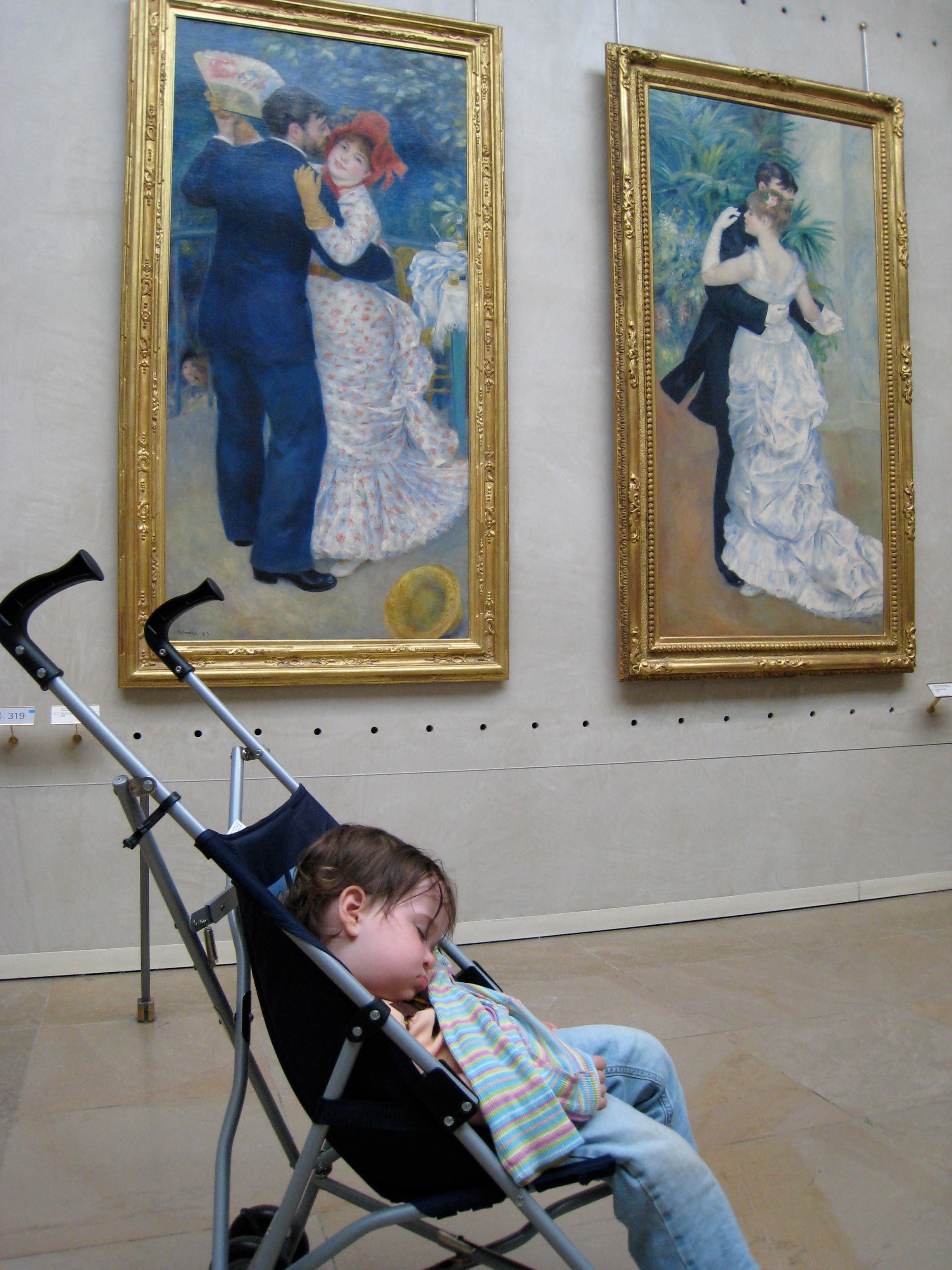
My rosy-cheeked little one in front of some of Renoir’s famous rosy cheeks.


This week’s friday foto finder theme was “station.” Given my love of rail travel, it might not surprise you that I have many photos of train and subway stations in my photo archives. However, this was the station that came to mind first.

To see what other stations are being shared, please visit Archie’s friday foto finder blog. Won’t you consider participating, too?

late fall snowfall

We had a bit of a snowfall Tuesday night, and while there wasn’t much in the way of accumulation, the wet snow stuck to every leaf and twig such that almost everything was outlined in white. Occasional water drops had also frozen, adding some sparkle to the scene. I took a few photos around the yard before the school bus came, and then a few more later in the morning during a short walk with a neighbor.

Here are a handful of my favorites from the morning.


A tree in our front yard that hasn’t quite given up all its leaves.


Along our house’s front path.


A neighbor’s rail fence.


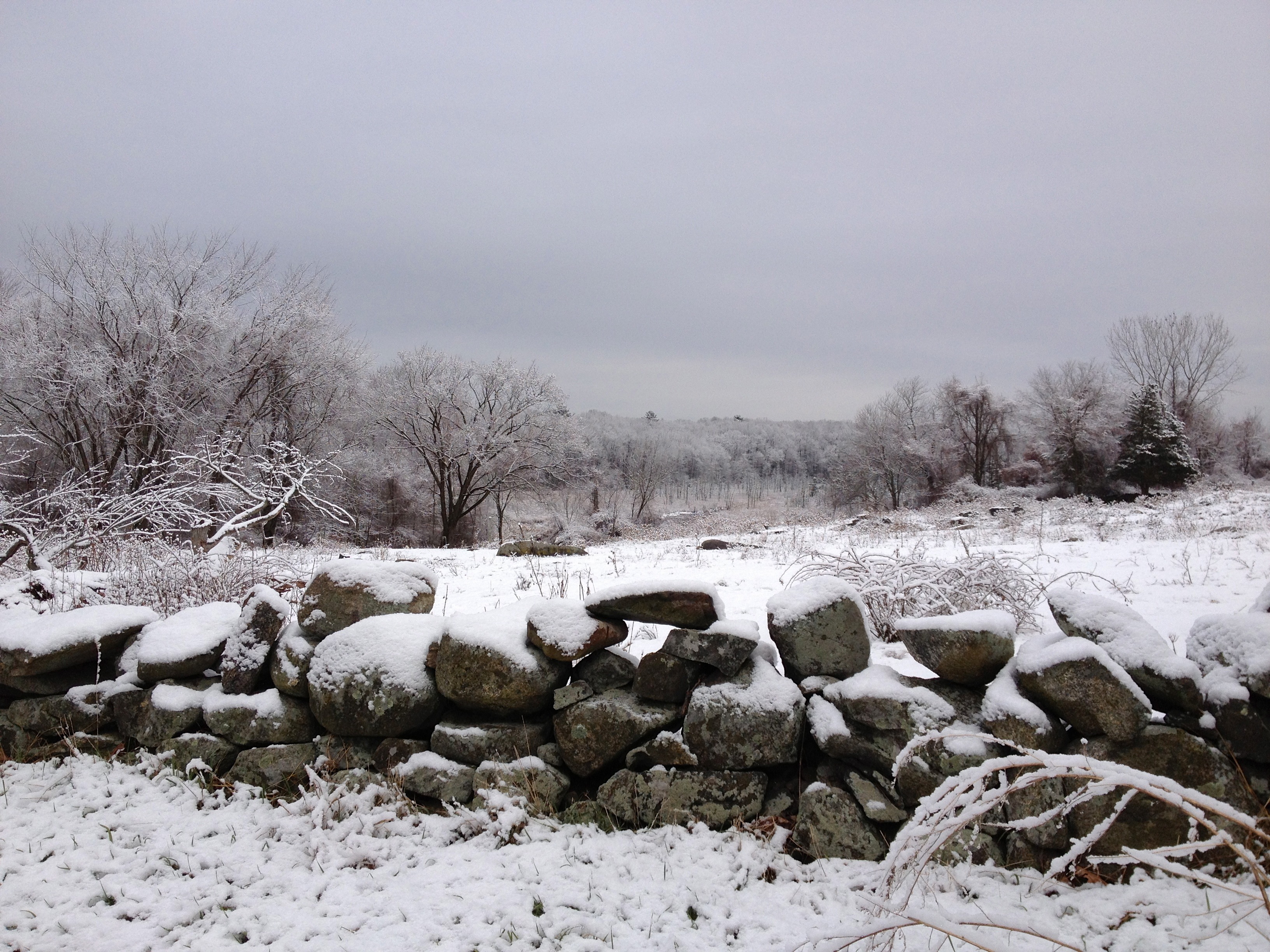
This stone wall is at the dairy farm that is a half mile from my house.


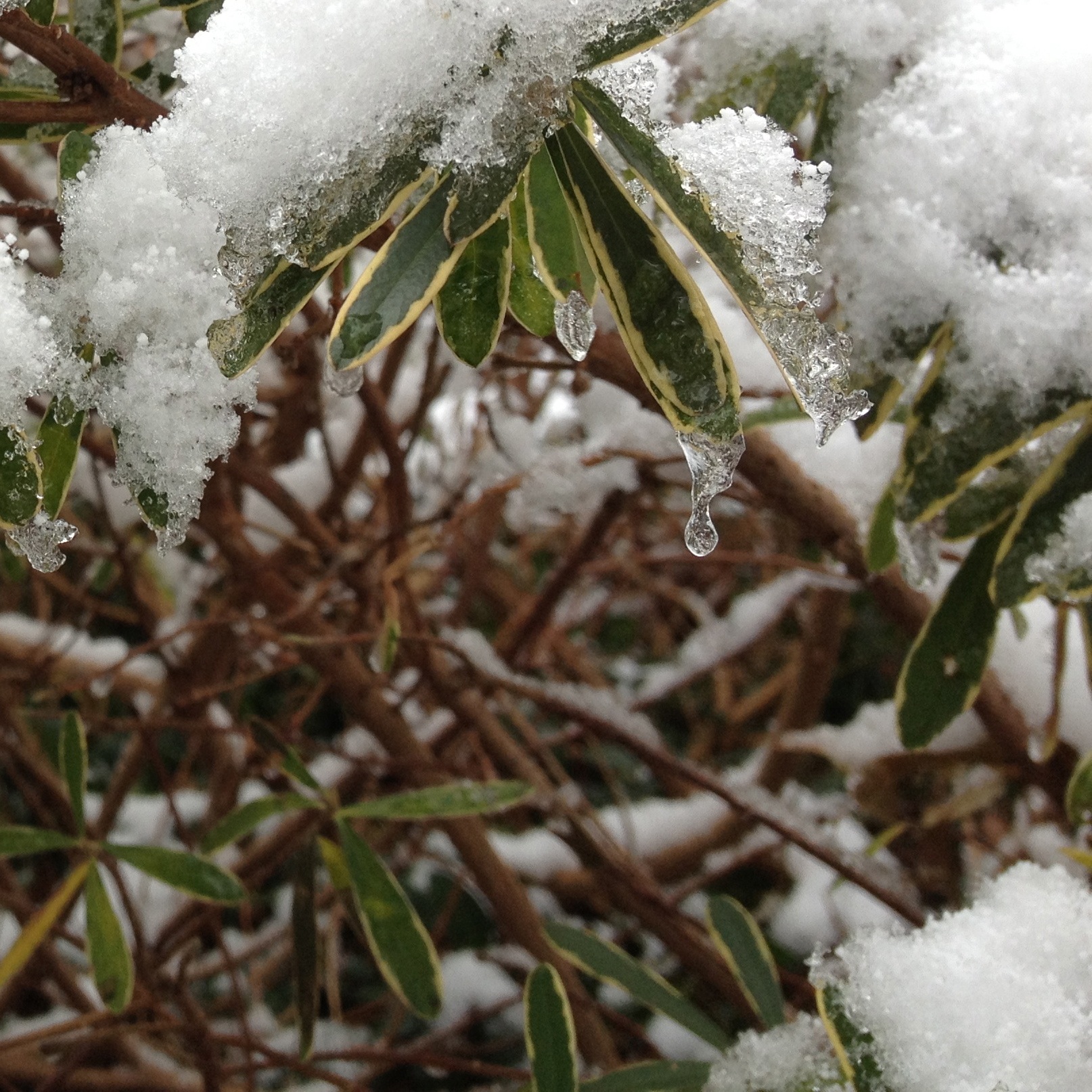
Snow and ice on the shrubbery.


White snow, red berries.


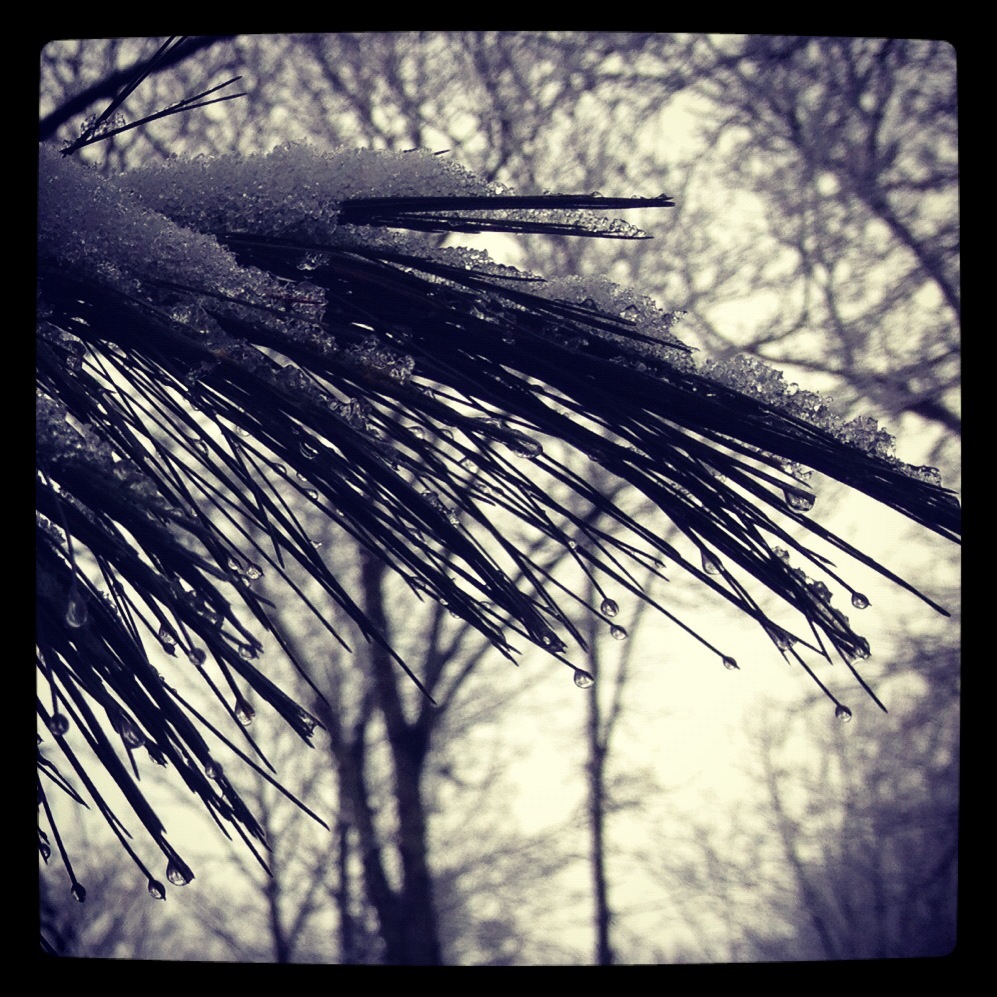
Ice drops on pine needles.

(Those last two were ones I posted on Instagram, with filters. I posted a version of the stone wall there, too, but without filters.)

Once again, my trusty iPhone did some nice work. I’m sure my camera would have done a good job, but I am less likely to throw it in my coat pocket. Especially given that it doesn’t fit in my coat pocket. Maybe I just need bigger coat pockets.

3 storm drains

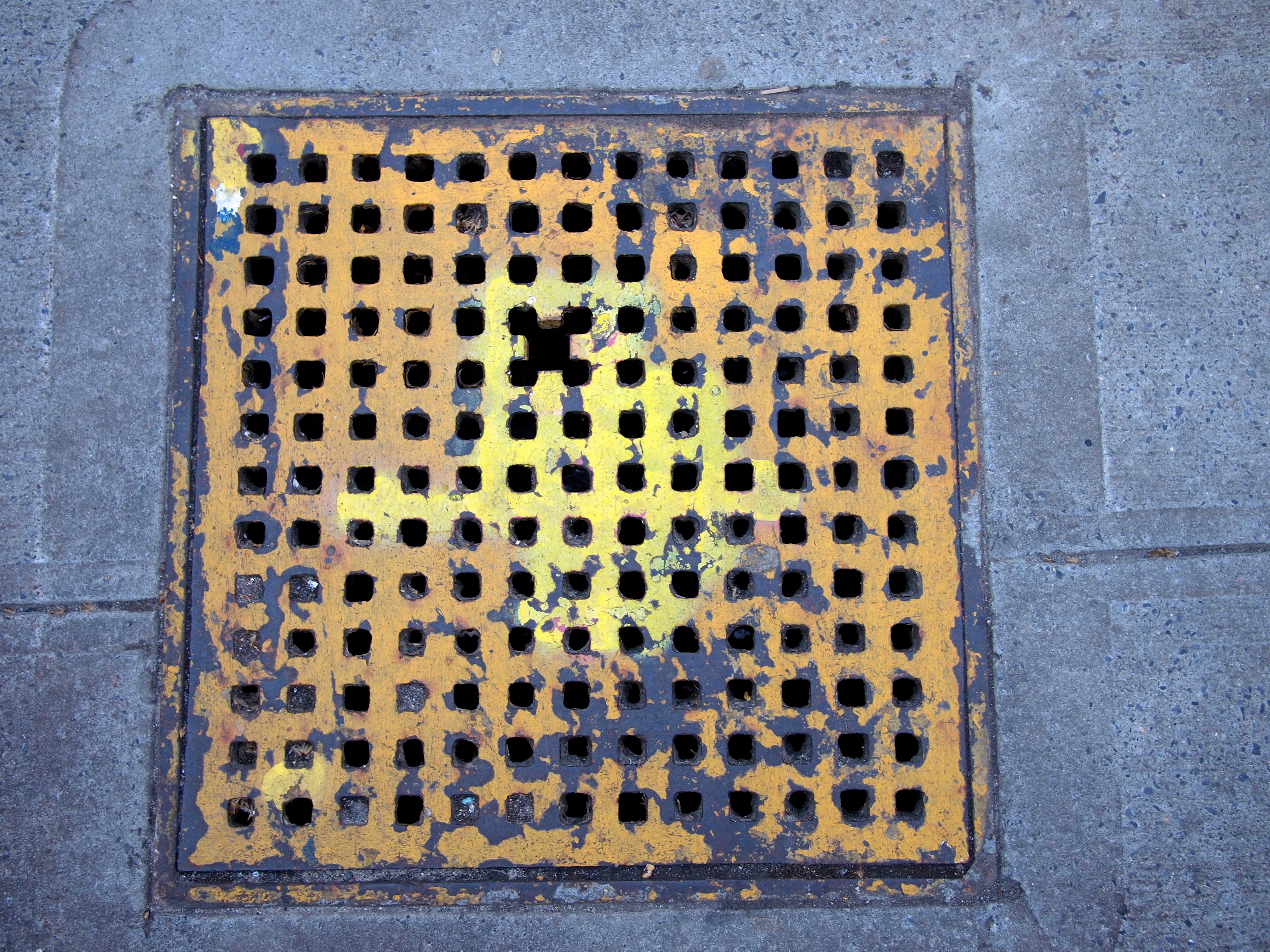
Here are 3 storm drain grates I’ve come across in the past year.


Sidewalk, New York City, NY. March 2102.


Parking lot, Milford, MA. May, 2012


Parking lot, Storm King Art Center, Mountainville, NY. November, 2012.

But this method doesn’t work with a tomato.

It was my second year of college, in ’90 or ’91, and I sat at a desk in a classroom with maybe a dozen other students of second-year Japanese. The first year, the class had been much bigger, with a good 30 or 40 students. But the workload was heavy, and the grading tough. The enrollment had been whittled down.

The teaching methods were pretty old-school, with textbooks that were probably from the 50s. We did a lot of in-class drills.

That particular day, we were learning the expression “to use something as something else.” (“X to shite Y o tsukaimasu.”) The instructor gave us some examples. He picked up two pencils, and held them as if they were chopsticks. Hashi to shite empitsu o tsukaimasu, he intoned in his booming fluent-but-American-accented Japanese. “I use pencils as chopsticks.” Then he asked for more examples from the class using the construction.

“Use a rope as a belt,” someone might have said. “I use a book as a tray,” someone else might have offered.

I really can’t remember what examples my classmates came up with. Because as I sat there, I needed all of my concentration to contain the urge to giggle. The one sentence that popped into my head was: Nihon de wa, naihu to shite te o tsukaimasu.¹

In Japan, the hand is used like a knife.²

I’m sad to say that I was not called upon to share my example. I was relieved at the time, as I had not yet released my inner goofball. Also, it’s hard to say how the very serious instructor would have taken my contribution. Especially had it been accompanied by uncontrollable fits of giggling.


¹ Google translate helped me arrive at this:
日本 で は ナイフ として手を使います. There was once a time when I could have written this sentence without looking it up, but that day has long passed. Also, I only wrote Japanese by hand. I would have had no idea how to type any of it!
² The actual wording from the 1978 Ginsu commercial is: “In Japan, the hand can be used like a knife.”

Pomodoro: Using tomatoes for good (or evil)

Wondering why tomatoes have been on my brain? It’s because I have joined the Cult of Tomato.

Well, not really. But I have been using time management strategies that are inspired by the Pomodoro Technique. In the late 80s, some guy (not the tomato guy, at least as far as I know) developed a system involving using a timer to break down work times into manageable chunks. He named the technique Pomodoro, which is the Italian word for tomato, as the timer he used was a fairly standard tomato-shaped kitchen timer.

In a probably over-simplified way, the basics of the technique are:

  1. Pick a task to work on (typically one that is large and will take a lot of time and concentration)
  2. Set a timer for 25 minutes (a “tomato”), and dig into the task.
  3. Stay focussed on the task until the timer runs out.
  4. I said stay focussed on the task!
  5. Once your 25 minutes of intensive, focussed work is finished, you get a break! Step away from your work for 5 minutes or so.
  6. Seriously, take a break. This part is important.
  7. Once your break is up, set your timer again, and dive back into the work.

I’d heard of the Pomodoro Technique before from a friend of mine from grad school, who successfully used it to actually finish her degree. I think it was about the time that she told me about it that I found and downloaded an app to use.

And that was as far as I got.

Fast forward about 2 years to the spring of this year, and I read a post Veronica wrote about her decision to start working on projects using a timer method. She asked if any of her readers wanted to join her, and I commented that I was game to try Pomodoro. And  try it, I did.

I liked it.

Using tomatoes has helped me in a few main ways:

  •  It has helped me stay on task.
    For 25 minutes, barring unforeseen interruptions, I work in a concentrated way on my designated task. If, in the course of this tomato, I have the urge to look something up or to check on something else or do whatever puttering around beckons, I put the urge on hold until the end of the tomato. I know that my break will come up soon, and I can dive into puttering then. (Admittedly I often take longer breaks than 5 minutes.)
  •  It has helped me recognize smaller chunks of time as viable for getting work done.
    My schedule is often broken by appointments or other obligations, and sometimes I only have an hour or 2 to tackle my work. In the past, this would lead to me thinking “no point in getting started with that now. I’ll barely have time to get started.” With tomatoes, an hour or two suddenly becomes 2 to 4 viable chunks of work time. Because I can be focused, I actually get more done in those chunks than in previous larger but more nebulously structured lengths of time.
  • It has given my work more continuity
    Since managing my time in this way makes it easier for me to keep going on projects even when my time is limited, I am more likely to work on the projects on any given day. Meaning that fewer days go by without me touching a big project. This helps quite a bit.

I use a little app called Pomodoro that seems to be largely defunct and no longer available, but I think it was free when I got it. There are a whole bunch of other apps available that do more-or-less the same thing. (The more that that I like from the app I use is that it logs your tomatoes. You type in your task when you start a tomato (or it leaves the last task in by default) and then it has a little log where you can see your tomatoes listed by date, with task specified. It helps me track how long some projects have taken. (Usually longer than I’ve expected.)

For more on tomatoes, check out the Pomodoro Technique website. (The full technique involves more than just the timers, but I haven’t delved much into it.) I also found this blog post from a couple of years ago to be very insightful, plus it gives reviews and descriptions of some of the apps that were available (and many that still are). A quick search for “pomodoro” on the Apple App Store shows more than a dozen apps available, many tomato-themed, and ranging in price between free and $19.99. (Most are under $5.) And if you want something more concrete, you can even buy a wind-up tomato-shaped timer.

I highly recommend trying out a timer-based time management technique for anyone who has struggled to deal with dauntingly large, nebulous projects. Like finishing a degree. Or plotting to take over the world.